Tag: what to do in venice

  • Wine Tasting and Bacari Hopping in the lagoon: Discovering exquisite Wine and Prosecco in Venice

    Wine Tasting and Bacari Hopping in the lagoon: Discovering exquisite Wine and Prosecco in Venice

    The Veneto wine region is the largest in Italy in terms of wine styles; in fact, Veneto is one of the country’s leading producers of quality wine. It could not be otherwise, considering that it covers an area of more than 75,000 hectares of vineyards, spread over plains, hills and mountains. It is no coincidence that the people of Veneto are also great connoisseurs and consumers of good wine!

    It is not by chance that wine has been called the nectar of the gods, the intoxicating drink par excellence, a symbol of celebration that unites families and peoples. The gastronomy of Veneto in general, and that of Venice in particular, cannot be separated from this essential element. From prosecco to ombra, there is a wine for every occasion, and the people of Veneto know how to enjoy a good glass of wine and prosecco in Venice!

    Wine and Prosecco in Venice: From the Plant to the Glass, Italy’s Most Celebrated Wines

    Stocked wine and prosecco in Venice, ready to be enjoyed on a wine and prosecco tasting tour in Venice
    Stocked wine and prosecco in Venice

    Let us make a brief but exhaustive review of the wine products that Veneto offers its inhabitants and the millions of tourists visiting the Veneto wine region, and especially Venice, each year.

    It’s worth mentioning that Veneto’s boom in this field began in the 1990s. It was thanks to the work of winemakers who understood the needs of the market. Their wines have won international acclaim, and their wine and prosecco in Venice are enjoyed by locals and tourists.

    25% of the Veneto wine region’s wine is produced and marketed under the DOC and DOCG certificates.

    DOC and DOCG are certificates that indicate the quality and origin of wines in Italy.

    • DOC stands for “Denominazione di Origine Controllata”, which means “controlled designation of origin” in English. This certificate guarantees that the wine was produced in a specific geographic area using traditional methods and grapes typical of that region.
    • DOCG stands for “Denominazione di Origine Controllata e Garantita”, which means “controlled and guaranteed designation of origin” in English. This certificate is more prestigious than DOC and requires even stricter quality standards. It guarantees the wine’s origin and quality, and it is subject to rigorous testing and tasting before it can be bottled and sold.

    The climate in the Veneto wine regions changes considerably from one area to another, it is considered continental in the plains with cold winters and hot summers, although with milder weather around the lake and in the hills. There is thick fog and there is heavy rainfall. Traditional Veneto varieties are the Corvina, Rondinella, Molinara and Raboso grapes.

    A very important variety is the Garganega grape, a white variety used for Soave wine and as a blend for Gamberalla wine. We also find Trebbiano, Tocai, Cortese or Malvasía Toscana grapes.

    In addition, renowned imported strains such as Merlot, Chardonnay, Cabernet Sauvignon, Pinot Noir, Cabernet Franc or Riesling are grown. The Glera grape, known as Prosecco, is also common in the viticultural areas of northeastern Veneto.

    A Delicious Wine and Prosecco Tasting Tour of Bacaris in Venice

    Enjoy a glass of wine from the Veneto wine region at one of the restaurants at St. Mark's square in Venice.
    You can enjoy a glass of wine from the Veneto wine region at one of the restaurants at St. Mark’s square in Venice.

    Bacari are traditional Venetian small bars and taverns that serve small snacks called cicchetti and local wine. They are cozy and lively places where locals and tourists alike gather to socialize and enjoy a good time, commonly standing at the bar or outside on the street while sipping a glass of wine and prosecco in Venice and sampling the delicious cicchetti.

    If you’re a wine enthusiast, a wine and prosecco tasting tour in Venice can be a delightful and educational experience. Not only will you get to sample some of the best wines produced in the Veneto wine region, but you’ll also learn about the history and culture behind the wine-making process.

    A wine and prosecco tasting tour in Venice allows you to discover different local grape varieties and wineries that you might not have known about otherwise. It’s also an opportunity to meet local wine producers and learn about their techniques, traditions, and unique approaches to wine-making.

    Cantina Do Spade

    Cantina Do Spade is one of the oldest wine bars in Venice, dating back to the 15th century. It is located near the Rialto Bridge in a charming and historic area of Venice, making it easily accessible for tourists.

    It is one of the best places to start your wine and prosecco tasting tour, trying many wines originary from the Veneto wine region. At is at Cantina Do Spade, you can try the classic Venetian dish of sarde in soar, or sweet and sour sardines. Pair it with a glass of wine, i.e. local white wine such as Soave or Pinot Grigio.

    Osteria Bancogiro

    Next, head to the bustling Rialto market and stop at Bancogiro, which is known for its selection of fresh seafood, coming directly for the Rialto market nearby.

    The Osteria Bancogiro is a charming and cozy restaurant located in a historic building right on the Grand Canal, providing a stunning view of the Rialto Bridge. The wine list is extensive, featuring a wide selection of Italian and international wines, including several varieties of prosecco.

    Try the seppie al nero, a dish of squid cooked in its own ink, and pair it with a glass of wine, i.e. red Bardolino or Valpolicella from the Veneto wine region.

    Cantine del Vino già Schiavi

    If you want to taste ones of the best cicchetti of Venice and have a glass of wine from the Veneto wine region, make your way to Cantine del Vino già Schiavi, a tiny bacaro located near one of the city’s iconic gondola repair shops.

    They have a wide range of wines, from red and white to sparkling wines like prosecco, from the Veneto wine region and also from all over the world. They also offer wine tastings and aperitivo with a variety of small bites and traditional Venetian cicchetti, making it a popular spot for locals and tourists alike.

    Find out more about the Venetian culinary traditions & wine and prosecco in Venice

    This post is about food, specifically authentic Venetian specialties, and the typical places where long-time residents and newcomers like to eat.

    From Vineyard to Tavern: Tracing the History of Venetian Wine and Prosecco Culture

    Group of people having a wine and prosecco tasting tour, which is quite popular in Venice.
    Wine and prosecco tasting tours are quite popular in Venice.

    When the subject is wine, it is a must to talk about wine cellars (in Venetian bacari). In fact, in the bosom of the Serenissima Venezia, many wineries were born.

    Although historians do not all agree on this version, it is believed that the term for the Venice’s classic goblet of wine, the ombra di vino – in English “shadow of wine“, takes its name from the custom of wine growers to sell wine in the shadow of St. Mark’s bell tower, on itinerant stalls that they would move, following the shadow to keep the drink fresh.

    The vendors were called bacari (a relatively recent term, dating back to the late 19th century, from which osterias were later named), which is thought to derive from an ancient Venetian dialect expression, far bàcara, that is, to celebrate in the name of Bacchus.

    Thus were born these prestigious meeting places that, with the passing of time, have undergone changes that have inevitably cast aside the ancient charm of simplicity and authenticity of a place where nobles and gondoliers met to play cards, have a glass of wine from the Veneto wine region and perhaps challenge each other.

    The ombra di vino – the wine shadow

    Drinking an ombra di vino in Venice is a social ritual, a declaration of friendship and solidarity renewed from day to day and hour to hour. It is one of the most iconic behaviour of the locals living in Venice. But what is the story behind this ante litteram aperitif?

    It seems to be a difficult task to establish with certainty the origin of the term, and there is no shortage of more or less fanciful hypotheses. The best one is that the term “ombra” comes from the fact that in the days of the Republic of Venice, wine was kept in the shade to keep it cool and prevent it from going bad. In fact, legend has it that between the fourteenth and fifteenth centuries, wine merchants in St. Mark’s Square followed the shadow of the Bell Tower for this very reason.

    Venipedia, on the other hand, claims that the name “shadow” comes from the fact that in the Sestiere of San Polo, in the old tavern Alla Speranza, at the end of the 19th century, the measure of wine, corresponding to a tenth of a liter, was called “shadow”.

    From Shady Characters to Chic Hangouts: A Look at the Evolution of Venetian Tavens

    The Cantine del Vino già Schiavi is a great place for a wine and prosecco tasting tour in Venice.
    The Cantine del Vino già Schiavi is a great place for a wine and prosecco tasting tour in Venice.

    Today, the bacari are trendy hangouts, but from the mid-14th century to the late 18th century, osterias were not exactly nice places to hang out. Toward the end of the Middle Ages, Venice was full of people: pilgrims, foreign merchants, representatives of other countries, and general travelers.

    But where did all these people stay?

    In addition to the institutional structures and the monasteries, both of which welcomed guests, another important accommodation was the tavern. In fact, they were the officially recognized lodgings, so much so that from 1355 they were organized into a proper scuola, the ancient name for a guild or lobby in ancient Venice.

    A curiosity: at the beginning of the 16th century there were 23 bacari in Venice. In the eighteenth century, however, they stabilized at 20. Around 1650, however, the number of taverns was forcibly reduced to 13: on paper, the reason given was the “serious shortage of wine” that was plunging the city into crisis.

    More likely, the Serenissima government was trying to bring order to the world of Venetian hospitality. There were, in fact, too many hotels and the like that were detracting from the quality of life.

    The innkeepers were not free to do as they pleased, but had to submit to the rules imposed by the Great Council, namely:

    • They had to pay a tax;
    • They had to make their beds with sheets and blankets – apparently it was not so obvious;
    • They could not give shelter to bandits, beggars and prostitutes. And why? To ensure public safety. And the innkeeper had to obey this rule, or else he would go to jail.

    The best accommodations in Venice

    As already mentioned, the tourist flow in Venice in April is not so big and it is very difficult to find fully booked hotels. I would still advise you to book well in advance, especially if you are planning to spend Easter or April 25th in Venice, as these days attract many tourists every year.

    To make it easier for you, we have selected some of the best Venetian hotels that offer great value for money and are ideally located for exploring Venice in April:

    B&B Bloom

    Elegance and refinement are just two of the elements that distinguish this Bed & Breakfast: You will be satisfied because B&B Bloom is a warm and cosy place to stay. Modernity blends with classic Venetian style to create a charming décor. And don’t forget to take advantage of the terrace with a panoramic view of the Serenissima, which is B&B Bloom’s unique selling point!

    Antica Locanda Sturion ***

    Located on the top floor of an ancient Venetian palace, this is one of the few 3-star hotels in Venice. The interior is very charming, with typical Venetian red furniture and damask, evoking the bygone days of rich spice merchants and ambassadors from all over the world.

    More accommodation here:

    Beyond Wine: The World of Venetian Spritz in local Bacari

    Overview of Venetian Spritz types by Venetian Infographics:

    Although wine is the first thing that comes to mind when talking about wine cellars, there are many other drinks, both alcoholic and non-alcoholic, that can be drunk in between shots.

    One of the most popular is the spritz, a versatile and light cocktail that has become world-famous and is a perfect accompaniment to any type of food, of which there are many different versions.

    Venetian Spritz with Select

    It is said to be the true Venetian spritz. In fact, Select was born in Murano in 1920. Purists make it this way:

    • ⅓ wine (or Prosecco),
    • ⅓ Select
    • ⅓ soda.

    It should be served in a low (rock) glass or in goblets filled with ice. A slice of orange can be added as a garnish.

    Venetian Spritz with Campari

    When ordering a spritz in Venice, the classic question is, “With Campari or Aperol?” Spritz with Campari, with its bright red color, makes for very summer evenings outside bacari “ciacolare” (chatting).

    An unwritten but shared rule dictates that the recipe is as follows:

    • rock glass or goblet,
    • ice to pour first,
    • ⅓ white wine (or Prosecco),
    • ⅓ Campari,
    • ⅓ soda,
    • orange slice.

    Venetian Spritz with Aperol

    Although the original Venetian Spritz is with Select, the Venetian Spritz with Aperol is the most famous one.
    Although the original Venetian Spritz is with Select, the Venetian Spritz with Aperol is the most famous one.

    The other great classic of many evenings is the Venetian spritz with Aperol, which gives the cocktail an orange color that matches the summer sunsets seen on the coast. How do you make the perfect Venetian spritz with Aperol?

    Like this:

    • always put the ice in first,
    • ⅓ white wine (or Prosecco),
    • ⅓ Aperol,
    • ⅓ soda,
    • the orange slice.

    Venetian Spritz with Cynar

    It has a brown color that could be mistaken for Coca-Cola, but no, it is the famous artichoke-based bitter Cynar, and you can make tasty (and bitter) spritzes with it.

    How? Like this:

    • rock glass (rarely a goblet),
    • ⅓ wine (or Prosecco),
    • ⅓ Cynar,
    • ⅓ soda,
    • ice,
    • a slice of lemon.

    Spritz Hugo

    This may be heresy to some, but we assure you that elderberry spritz is really good. How to make “Hugo”?

    • a goblet, or a rocks glass,
    • fill with ice,
    • ⅓ Prosecco,
    • ⅓ elderberry syrup,
    • ⅓ soda,
    • slice of green apple
    • a mint garnish.

    Wine urges me on, the bewitching wine, which sets even a wise man to singing and to laughing gently and rouses him up to dance and brings forth words which were better unspoken

    Homer – Odyssey

    All this is wine, part of the culture of Veneto and of Venice, and above all it gives us an excuse to get together, to celebrate loves and friendships, or just to have a little fun.
  • Exploring the Beauty of Venice in May 2023 – A Visual Tour of Italy’s Most Romantic City

    Exploring the Beauty of Venice in May 2023 – A Visual Tour of Italy’s Most Romantic City

    Welcome to the enchanting city of Venice in May! It’s the perfect time to explore this stunning destination and discover all that it has to offer. With warmer temperatures, fewer crowds, and a plethora of exciting events and activities, there’s no better time to visit this Italian gem.

    Why visit Venice during May?

    Venice is a city unlike any other, with its maze of canals, stunning architecture, and rich cultural heritage. Visiting this enchanting city in May is a truly wonderful experience, and here are just a few reasons why.

    First, the weather in May is absolutely gorgeous. With warm temperatures, you’ll be able to enjoy the beauty of the city without being overwhelmed by the heat. The cool breeze off the Adriatic Sea and the sunlight reflecting off the canals make for an unforgettable, picturesque experience.

    In addition, visiting Venice in May means avoiding the peak tourist season. The crowds that come with summer vacations haven’t arrived yet, so you can explore the city’s winding alleys and stunning architecture without feeling overwhelmed by people. This means shorter lines at attractions, better service at restaurants, and more space to relax and take in the wonders of the city.

    But just because it’s off-season doesn’t mean there’s nothing to do! In fact, May is full of exciting events and festivals that you won’t want to miss. The Festa della Sensa, a traditional boat parade celebrating the city’s marriage to the sea, takes place in mid-May. There’s also the Venetian Water Parade, the Vogalonga, where decorated boats sail down the Grand Canal, and the International Architecture Exhibition at the Venice Biennale. These events are a great way to experience the local culture and learn more about the city’s history.

    May is also the perfect time for food lovers to visit Venice. The local cuisine is at its best, with fresh seafood and seasonal produce in abundance.

    The best accommodations in Venice in May

    As already mentioned, the tourist flow in Venice in April is not so big and it is very difficult to find fully booked hotels. I would still advise you to book well in advance, especially if you are planning to spend Easter or April 25th in Venice, as these days attract many tourists every year.

    To make it easier for you, we have selected some of the best Venetian hotels that offer great value for money and are ideally located for exploring Venice in April:

    B&B Bloom

    Elegance and refinement are just two of the elements that distinguish this Bed & Breakfast: You will be satisfied because B&B Bloom is a warm and cosy place to stay. Modernity blends with classic Venetian style to create a charming décor. And don’t forget to take advantage of the terrace with a panoramic view of the Serenissima, which is B&B Bloom’s unique selling point!

    Antica Locanda Sturion ***

    Located on the top floor of an ancient Venetian palace, this is one of the few 3-star hotels in Venice. The interior is very charming, with typical Venetian red furniture and damask, evoking the bygone days of rich spice merchants and ambassadors from all over the world.

    More accommodation here:

    The weather in Venice in May

    Hey there, so you’re curious about the weather in Venice in May? Great! May is a lovely month to visit Venice because the weather is quite pleasant, and the crowds are not as overwhelming as during the summer months.

    In May in Venice, you can expect the temperature to be in the range of 15-22°C (59-72°F) during the day and around 10-15°C (50-59°F) in the evening. The average temperature in Venice in May is around 18°C (64°F) during the day and around 12°C (54°F) at night. The average high temperature is about 22°C (72°F), while the average low temperature is about 12°C (54°F). The weather is usually mild and pleasant, but it can sometimes get a bit chilly at night, so it’s a good idea to bring a light jacket or sweater.

    The weather in Venice in May is quite agreable.

    The city experiences some rainfall in May, but it’s not typically a lot, and it usually comes in the form of short-lived showers. There are about 10 days of rain in Venice in May, with an average rainfall of about 73 mm (2.9 inches). The humidity is around 70%, and the wind speed is usually light to moderate, ranging from 4-9 mph (7-14 km/h). Just in case you get caught in a shower, it’s always a good idea to pack an umbrella or raincoat.

    Best Places to Visit & Things to Do in Venice in May

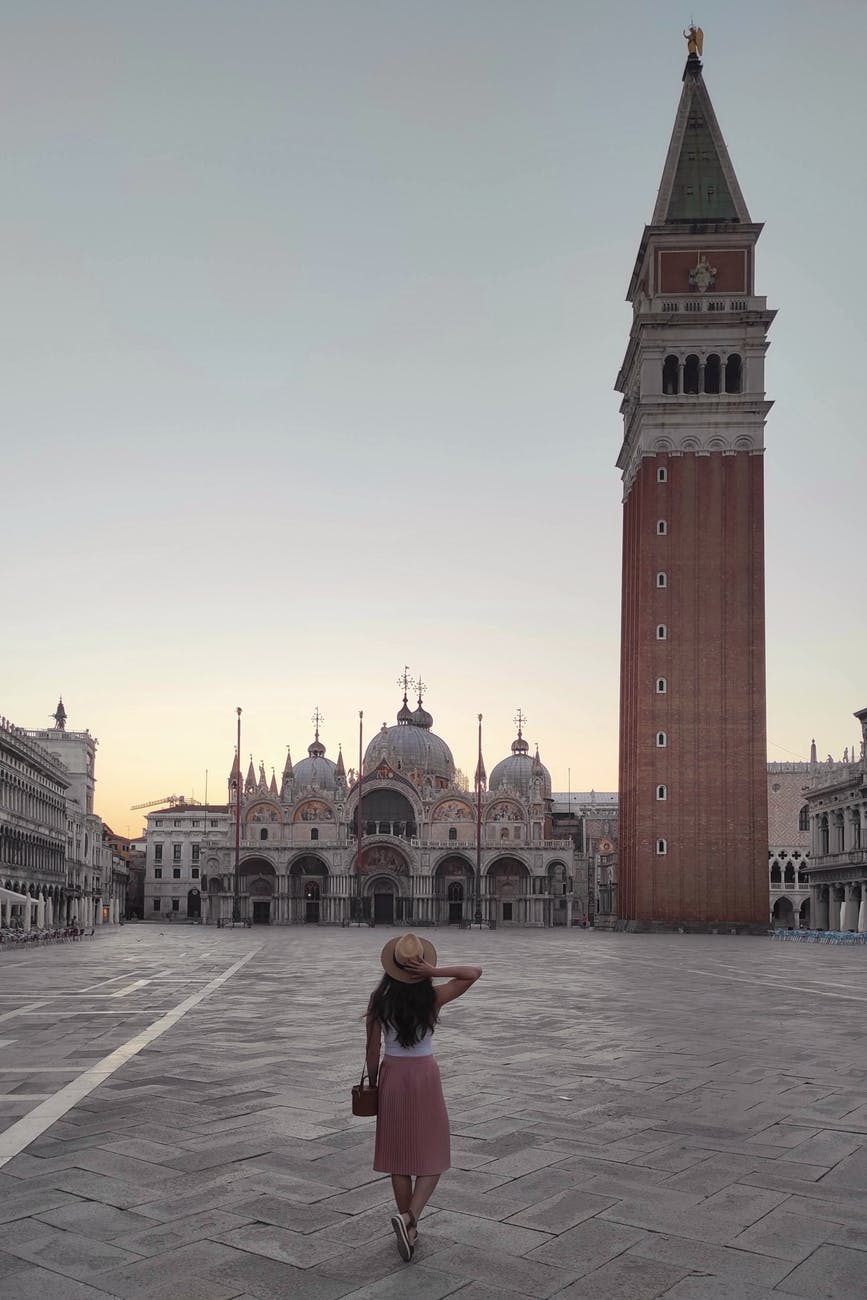
    St. Mark's Square in Venice in May

    Here are some of the best places to visit and things to do in Venice in May:

    1. Visit Saint Mark’s Basilica*: This is one of the most famous and beautiful churches in Venice. It’s known for its stunning Byzantine architecture and impressive mosaics. It’s definitely worth a visit!
    2. Take a Gondola Ride*: Taking a gondola ride is a classic thing to do in Venice. It’s a great way to see the city from a different perspective and get a feel for the canals.
    3. Explore the Doge’s Palace*: This is another iconic attraction in Venice. The palace was the home of the Doge, who was the chosen leader of Venice, and it’s now a museum. You can see beautiful artwork, impressive architecture, and learn about the history of Venice.
    4. Visit the Rialto Market*: This is a great place to go if you want to see the local culture and taste some delicious Italian food. You’ll find fresh produce, seafood, and other local specialties.
    5. Take a Day Trip to the Islands*: Venice is surrounded by beautiful islands, and May is a great time to visit them. Murano is known for its glassmaking, Burano is well-known for its colorful houses, and Torcello has beautiful ancient ruins.
    6. Attend the Festa della Sensa: This is a traditional festival that takes place on the Sunday after Ascension Day. It’s a celebration of Venice’s maritime history and includes a boat procession and other fun activities.

    Those are just a few ideas for things to do in Venice in May. There are so many other amazing places to explore, restaurants to try, and things to see. I hope this gives you a good starting point for planning your trip!

    Events & Festivals in Venice in May

    Events & Festivals in May in Venice
    What you can see in Venice during May

    May is a great time to visit Venice, as the city hosts many cultural events and festivals during this month Here are some of the most popular:

    Architecture Biennale

    The International Architecture Exhibition, also known as the Venice Architecture Biennale, is a showcase for contemporary architecture and design from around the world. It features installations, exhibitions and pavilions by architects, designers and urban planners from different countries.

    The Biennale Architettura 2023 will be held from Saturday, May 20th, 2023, to Sunday, November 26th, 2023. Pre-opening on May 18th and 19th.

    Official Website of the Architecture Biennale in Venice

    Festa della sensa

    The Festa della Sensa is an annual event held in May that celebrates Venice’s maritime heritage. You’ll see a parade of boats and a ceremony in which the mayor of the city throws a golden ring into the water to symbolize the union between Venice and the sea.

    On Sunday, May 21st, 2023, Festa della Sensa takes place in Venice, reviving the thousand-year history of the Serenissima, its intimate relationship with the Sea and the practice of Voga alla Veneta.

    Vogalonga

    The Vogalonga is a rowing regatta that takes place on the Sunday after the Festa della Sensa. Thousands of rowers take part in the event, which covers a distance of about 30 kilometers through the canals of Venice.

    The Vogalonga on Sunday, May 28th, 2023, starts at 9am, departure from the Certosa island at 8pm the latest. Meeting time at the bar of the Certosa Hotel at 7am.

    Local Seasonal Food

    Venetian Specialties in the 21st Century, What to eat in Venice in May

    If you want to taste some of Venice’s delicious seasonal cuisine, May is a great time to visit. Here are some dishes that feature fresh and seasonal ingredients that you can find in Venice in May:

    • Risotto with asparagus: May is the peak season for asparagus in Venice, and you’ll find it on many restaurant menus during this time. Risotto with asparagus is a popular dish, and it’s often topped with grated Parmesan cheese.
    • Fava beans with pancetta: Fava beans are another seasonal ingredient you’ll find in Venice in May. They’re often cooked with pancetta, garlic, and olive oil for a tasty side dish.
    • Tagliolini with clams and bottarga: Venice is famous for its mussels, which are often served alongside pasta. Tagliolini with clams and bottarga (cured fish roe) is a classic Venetian dish that’s light and flavorful.
    • Grilled seafood: May in Venice is a great time to enjoy fresh seafood, and many restaurants offer grilled fish or seafood platters. Grilled squid, shrimp and scallops are all delicious options.
    • Artichoke and potato soup: Artichokes are in season in Venice in May, and they’re often used in soups and stews. Artichoke and potato soup is a hearty dish that’s perfect for a cooler May in Venice evening.

    A book tip for gourmets!

    Venice On A Plate: But What A Plate!

    Enrica Rocca’s book explores the culinary traditions of Venice, Italy, and features a collection of recipes inspired by the city’s unique cuisine.

    The book is divided into sections that focus on different aspects of Venetian food culture, including fish and seafood, vegetables, meat, pasta, and desserts. Each section includes a range of recipes, as well as information on the history and cultural significance of the dishes.

    Find out more about the Venetian culinary traditions

    This post is about food, specifically authentic Venetian specialties, and the typical places where long-time residents and newcomers like to eat.

    Shopping Experiences & Markets

    Embark on a shopping adventure through the enchanting city of Venice in May, where the markets are bustling and the goods are abundant. Here are some of the must-see places to visit:

    1. Rialto Market: This ancient market, located near the iconic Rialto Bridge, will take you back in time as you explore the maze of stalls overflowing with colorful fruits, vegetables, seafood, and spices. This sensory experience is not to be missed.
    2. Mercatino dell’Antiquariato: Discover hidden treasures and priceless antiques at the Mercatino dell’Antiquariato, a vibrant flea market held in the Campo San Maurizio on May 5-7th, 2023. This is the perfect place to hunt for unique and authentic souvenirs.
    3. Murano Glass*: Step onto the island of Murano, located just a short boat ride from Venice, and be transported into a world of glassblowing artistry. Watch skilled artisans create exquisite glass pieces before your eyes and then browse the shops to find the perfect piece to take home.
    4. Fashion Boutiques: Immerse yourself in the world of high-end fashion as you stroll through the streets around Piazza San Marco and Calle Larga XXII Marzo. Explore designer boutiques featuring the latest collections and indulge in the ultimate shopping experience.

    Transportation Options & Getting Around the City

    Venice has an efficient and convenient public transportation system that includes buses, water buses, and water taxis. Here are some of the most popular options for getting around Venice in May:

    1. Vaporetto: The Vaporetto, also known as a water bus, is the most common form of public transportation in Venice. These boats run along the Grand Canal and other major waterways, and they provide a scenic way to travel around the city. You can purchase tickets at ticket booths or vending machines, or you can use a Venezia Unica card, which offers discounts on public transportation and other services.
    2. Water Taxis: Water taxis are more expensive than Vaporetti but are faster and more private. They can be hailed from many locations around the city and are a great option if you need to travel quickly or have heavy luggage.
    3. Buses: If you need to travel outside of the city center, buses are available to take you to the mainland or other areas around Venice. Tickets can be purchased at ticket booths or vending machines.
    4. Walking*: Venice is a pedestrian-friendly city, and walking is the best way to explore the narrow streets and alleys. Walking around the city can be a great way to discover hidden gems and soak up the atmosphere.
    Venice in May is a magical experience. The weather is warm but not too hot, the crowds are smaller, and the city is alive with festivals and events. The lush greenery and blooming flowers add to the already stunning beauty of the city, making it a perfect time to explore the canals and hidden alleyways of Venice.
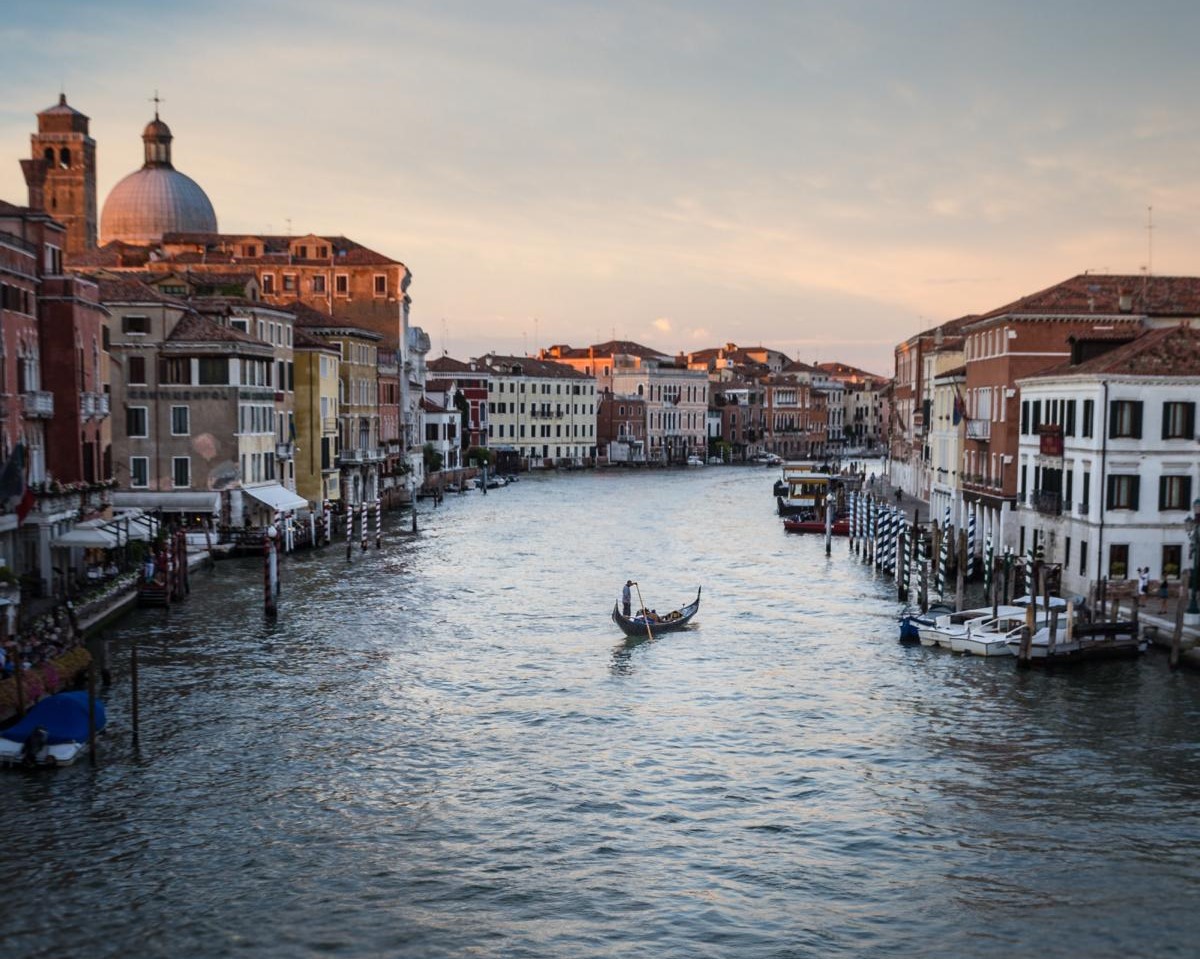
    View of the Grand Canal from the Fondaco dei Tedeschi in Venice.

    Uncover the Best of Venice in May!

    May is an amazing time of year to visit Venice and uncover all the best that the city has to offer. With its romantic canals, historic attractions, and unique cuisine, Venice is a unique travel destination that everyone should experience at least once in their lifetime.

    Whether you are looking for a romantic getaway or a cultural experience, visiting Venice in May is a fantastic way to explore this beautiful city. So take the time to plan your trip and make sure you take advantage of all the incredible things to do in May in Venice!

    … and in Winter!

    While visiting Venice in May is a wonderful experience, don’t discount the city in winter. Off-season Venice has a charm all its own. The crowds have thinned even further, allowing you to have a more intimate experience with the city’s rich history and culture. The atmosphere is also more mystical and ethereal, with mist rolling off the canals and the city’s architecture taking on an even more dramatic appearance.

    Even in the winter months, there are many exciting events and festivals. Carnevale di Venezia is held in February and is a highlight of the Venetian calendar. The city comes alive with vibrant colors and elaborate masks, making it a feast for the eyes. Winter also hosts the Venice Biennale, an art and architecture exhibition that showcases the city’s creative spirit.

    Carnevale di Venezia with costumed participants. Photos of costumed visitors of Venice carnival in St. Mark's Square. Carnival in Venice, Italy.

    And while the weather may be colder, that doesn’t mean you can’t enjoy the city’s many charms. In fact, the winter months are the perfect time to curl up with a hot cup of coffee or hot chocolate in a café or explore the city’s many museums and art galleries. The cool, crisp air is also ideal for taking a gondola ride through the canals, snuggling up under a warm blanket as you take in the sights.

    Finally, winter is also a great time for foodies to visit Venice. The season’s hearty cuisine includes comforting dishes like pasta e fagioli (pasta and bean soup), polenta (cornmeal porridge), and baccalà mantecato (creamed salt cod). Plus, visiting in winter means you’ll avoid the long waits for tables at popular restaurants that come with the summer crowds.

    In conclusion, while visiting Venice in May is an incredible experience, don’t overlook the city in winter. The off-season has its own unique charms, from the mystical atmosphere to the exciting events and festivals. So bundle up and head to this enchanting city to experience it in a whole new light.

  • The 5 most curious activities to do in Venice in winter

    The 5 most curious activities to do in Venice in winter

    In this post I’ll show you some of the best things to do in Venice in winter for an unforgettable trip to the most beautiful cold lagoon in the world. Visiting Venice in winter is an experience you will never forget.

    The city becomes intimate and mysterious, and despite the low temperatures, winter is one of the best seasons to visit Venice. With the exception of the Carnival season, tourist flows are low and visitors become rare and discreet. Prices are lower and the queues at the various sites are much shorter. In short, an excellent situation to take advantage of.

    For more – and detailed – reasons to visit Venice in winter, click here:

    In this post I’ll tell you what to do in Venice in winter, how to dress and what sights you should visit in the cold season.

    Staying in a hotel on Venice is the perfect way to enjoy everything the lagoon city has to offer. Then you can explore late in the evening and early in the morning when most tourists have already left!

    Meanwhile, I prefer to use Booking.com to find the right accommodation for my travels. The reviews from other travelers help me figure out which hotel suits me best. Hotel Rialto* is my first choice when I need a hotel in Venice: it is located in the center of Venice, right by the Rialto Bridge, and from there every corner of the city can be reached in no time.

    Venice winter weather

    However, before we leave, I would like to answer a basic question: How cold is it in Venice in winter?

    Of course, those who like it rather wam will find the Venetian climate rather unpleasant in winter. In addition to the low temperatures, the wind chill is made even colder by fog, humidity and winds like scirocco and bora. It is definitely advisable to check the weather forecast before traveling.

    In winter, temperatures in Venice can drop sharply, down to zero degrees, but rarely below. Normally, the maximum temperature is 8 degrees Celsius.

    The atmosphere is very humid, perhaps that is what affects the perception of cold the most. But since it is a lagoon, it is not like you can have everything!

    It is rare that it snows, but not impossible. In short, just dress well and you’re good to go.

    Winter in Venice - gondolas in front of San Giorgio Maggiore
    Winter in Venice – gondolas in front of San Giorgio Maggiore

    Literature about Venice

    Reading books about Venice can enhance your experience of visiting the city in many ways:

    • They help to better understand the historical and cultural context. Venice has a very exciting and rich history as well as culture, and reading books can provide this context and help you understand the city’s art, architecture and traditions.
    • While the major tourist attractions in Venice are well known, there are also many hidden gems that you can discover by reading books.
    • The lagoon city has also been the setting for many famous literary works, including Shakespeare’s “The Merchant of Venice” and Thomas Mann’s “Death in Venice.” Reading these works can deepen your connection to the city and give you new insights into its culture and history.

    Overall, reading books about Venice can lead to a better understanding and appreciation of the city, so you can have a more fulfilling and enjoyable visit.

    How to dress in winter in Venice

    The motto is: Dress according to the onion principle! (That is, in layers, for those who can do little with the term). The clothes I list below are clothes that can never be missing from my backpack for Venice.

    • Fleece or winter leggings*: whether you are a man or a woman, bring fleece leggings. They are a great invention, lightweight, comfortable and super warm.
    • Thermal underwear*: thermal underwear is very useful if you spend your days hiking in cold and freezing conditions.
    • Gloves, scarf and hat*: it is important to cover your face and hands well. The cold is intense, but above all it is very wet. If you don’t protect your extremities well, you risk catching a cold and losing the desire to walk around Venice, ruining your vacation.
    • Waterproof shoes*: this also seems like a truism, but it’s not. Because even when the water level is low, your feet can get wet pretty quickly if it rains. And who likes to have soggy feet. So, comfortable, waterproof and warm shoes.

    By the way, you can find my personal packing list for Venice here:

    Winter in Venice: the best 5 activities

    A trip to Venice in winter is an incredible opportunity to visit parts of the city that are usually ignored, or to explore sights you’ve never seen because of the long queues. Or to do things you would normally have avoided because they were too expensive in high season. Or join guided walks that you normally wouldn’t do because of the crowds in the city.

    Take a gondola ride

    Venice can be cold in winter, I don’t want to hide that. Still, that’s no reason to skip the classic gondola ride in Venice. I know it sounds obvious, but it’s like climbing the Eiffel Tower in Paris or visiting the Colosseum in Rome.

    There are things that need to be done.

    As the saying goes, when you’re in Rome, do as the Romans do. So in Venice, a gondola ride is in order. Especially when it’s foggy, a gondola ride makes sense.

    But then only go after sunset and definitely not during the day. It is an absolutely magical experience. It feels like you are floating in the fog and the dim light of the gondola lantern shines like it was in the 1600s.

    If it’s a nice day, take advantage of the sunny hours. As for the cold, there are usually blankets that the gondolier puts over the legs of the passengers.

    A romantic gondola ride for two

    A gondola ride for two is always romantic, not only on Valentine’s Day. A private gondola ride* costs around 160 euro for 30 minutes.

    (Make sure you really book a private gondola ride, and don’t join the group rides, which are cheaper but far less romantic).

    Gondola on the Grand Canal in winter in Venice is always a unique experience.
    Gondola on the Grand Canal in Venice.

    Visit the museums and other attractions in Venice in winter

    To escape the cold a bit, you can always escape to one of the many museums in Venice. You can start with the following sights that I really like in Venice, or choose a few that appeal to you more.

    • Free walking tour: given the small number of tourists or large groups, a great way to discover hidden parts of the city is by joining a free tour. There are several tours available, from the classic version to the one that uncovers the secrets of Venice;
    • Ticket to the Doge’s Palace* with visit to the prisons: A visit to the Doge’s Palace is an absolute must when you visit Venice, especially in winter. Since there are fewer visitors, you can enjoy the Doge’s Palace and its thousands of stories in peace and without stress;
    • The art gallery Galleria dell’Accademia* houses the richest collection of Venetian and Venetian painting with artists who have influenced the history of European painting.
    • The Museo Correr is one of the most important and representative museums in the city of Venice. It illustrates the art, civilization and history of Venice through its various departments and rich and varied collections.
    • The Peggy Guggenheim Collection* The Peggy Guggenheim Collection is one of the most important museums of twentieth-century European and American art in Italy.
    • Guided tour of St. Mark’s Basilica*: St. Mark’s Basilica is a charming building that represents the splendor of the Republic of Venice during the thousand years of the Serenissima.

    Warmed up within the walls of the Theater La Fenice

    Another way to spend a cold night in Venice is to attend an opera performance in one of the most beautiful theaters you have ever seen. The Teatro La Fenice offers a rich program of plays and operas every year, where you are sure to find something to your taste.

    Here you can buy tickets: Theater La Fenice*

    New Year's Eve Concert in Venice - Full theater La Fenice in the lagoon city. An exceptional option for the winter in Venice.
    New Year’s Eve Concert in Venice at La Fenice Theater

    Sip a delicious hot chocolate

    Chocolate came to Venice in the early 17th century. At that time, the first coffee shops also served excellent cups of hot chocolate in winter. Casanova himself loved to drink it, mainly because of its aphrodisiac effect.

    The best hot chocolate I ever had in Venice was from Caffè Florian in St. Mark’s Square.

    Caution. Again, prices for traffic at the table are double those for traffic at the bar counter.
    In winter in Venice, hot chocolate is often a tasty treat. Venice in Winter can be delightful.

    Spend a special evening at Venice Casino

    Why lock yourself in your hotel room on a winter night when the Casino di Venezia is just a short walk away? Stop by the front desk and pick up a free ticket to experience an evening with a difference. You can try your luck at the gaming tables, but if you don’t feel up to it, you can also take the opportunity to visit one of the city’s most beautiful Venetian palaces.

    Admission costs between 5 and 10 euros, but is free if you stay at a hotel in Venice. (Please check with your hotel beforehand if the offer applies to your hotel).

    The casino is closed on December 24 and 25.

  • The great exhibition of Vittore Carpaccio in Venice is coming to the Doge’s Palace.

    The great exhibition of Vittore Carpaccio in Venice is coming to the Doge’s Palace.

    The retrospective Vittore Carpaccio in Venice opens on 18 March and will be on show until 18 June. The exhibition is curated by Peter Humfrey, a specialist on the painter and his environment, in collaboration with Andrea Bellieni, member of the board of directors of the Musei Civici di Venezia and director of the Correr Museum, and Gretchen Hirschauer, curator of Italian and Spanish painting at the National Gallery of Art in Washington.

    With this magnificent exhibition, based on discoveries and new attributions, as well as extraordinarily revealing restorations, we can offer the public and scholars an updated historical-critical reinterpretation of Carpaccio’s painting and its evolution, from the beginnings to the late works, which are usually neglected by critics.

    Andrea Bellieni, Director of the Correr Museum

    Many of the works on display are on loan from museums, churches, institutes and private collections in Europe and the United States. These works are essential to offer a tour that documents the evolution of Carpaccio’s art in the most objective and complete way.

    His works, perhaps more than those of any other Venetian Renaissance artist, embody the essence of “Venetian”, that is, the opulent spectacle and mythology of the Serenissima, which was then at its economic and cultural zenith. With this exhibition, Venice also celebrates its history, its tradition and one of its most famous painters, who through his art tells us about the city and its beauty, giving us images of everyday life from a past that comes alive again.

    Luigi Brugnaro, Mayor of Venice

    45 paintings with religious, profane or genre themes illustrate the artist’s great imagination, narrative and descriptive skills, as well as his skilful painting technique. A striking core of drawings, on the other hand, demonstrates his particular ability to ‘study’ reality in detail, revealing his interest in nature, perspective, the customs of his time and the effects of light.

    Carpaccio V. (1513), La Cena in Emmaus, 279699

    Prices and opening hours of the exhibition Vittore Carpaccio in Venice

    Until March 17, 2023, one day before the opening of the exhibition, tickets cost only 10 euros instead of 13.

    The exhibition can be visited from March 18, 2023 to June 18, 2023. In March from 9 am to 6 pm, from April from 9 am to 7 pm. Last admission always until one hour before closing.

  • The best guided tours in Venice to experience the city like a local

    The best guided tours in Venice to experience the city like a local

    Are you looking for the best guided tours in Venice to experience the city like a local? Then you’ve come to the right place! Venice is one of the most magical cities in the world, and what better way to discover its hidden treasures than on a guided tour?

    From gondola rides and culinary tours to walking and boat tours, there are endless ways to experience Venice like a local. In this blog post, I’ll share my top recommendations for the best guided tours in Venice to help you get the most out of your trip.

    Die besten Führungen in Venedig sind die besten geführten Touren in Venedig.
    Some of the best guided tours in Venice take place near St Mark’s Square.

    What does Venice have to offer?

    Venice is a stunning city known for its many canals, beautiful architecture and incredible cultural heritage. Located in north-eastern Italy, Venice is a unique city with breathtaking views and centuries-old traditions.

    The floating city is full of majestic landmarks, including St Mark’s Square, the Rialto Bridge and the Doge’s Palace. As well as the famous sights, Venice has many hidden treasures just waiting to be discovered. From charming alleyways to quaint Venetian neighbourhoods, there is something for everyone and this article on the best guided tours in Venice will help you find your future favourite tour.

    Of course, you can’t forget the traditional gondola rides or the delicious Italian cuisine available everywhere in the city. Whether you are looking for a romantic getaway or an unforgettable family trip, Venice has something for everyone.

    The best guided tours in Venice

    When it comes to visiting Venice, a guided tour is one of the best ways to experience this iconic city. With an experienced local guide, you can explore the most beautiful parts of the city, discover its hidden treasures and learn about its rich history and culture. From walking tours to boat tours to gondola rides, there are many great guided tours in Venice to choose from. Here is a selection of the best guided tours in Venice.

    For all tours in Venice applies:

    • Unfortunately, the many bridges and steep staircases, as well as the lack of lifts or other means of transport, make the itineraries unsuitable for people with limited mobility.
    • As in the rest of Italy, churches can only be entered with appropriate clothing: shoulders and knees should be covered. (Exceptions prove the rule)
    • Luggage and large bags are usually not allowed in museums and churches.
    • Some tours take place in all weathers, even during floods.

    The Saint Mark Tour

    Die geführten Touren im Markusdom und Dogenpalats gehören zu den besten Führungen in Venedig.

    Venice is more than just the centre around St Mark’s Square, but St Mark’s Basilica and its tall bell tower are probably the first images that come to mind when we think of Venice. This tour gives you the opportunity to discover both St Mark’s and the Doge’s Palace, as well as the Bridge of Sighs. This is one of the most popular and best tours in Venice.

    • This tour is also available in English
    • Duration: 2-3 hours
    • Entrance to the second floor of St Mark’s Basilica and the terrace
    • Entrance to the Doge’s Palace

    The Food&Wine Tour in Venice

    Some of the best tours in Venice let you taste many delicacies.
    Der Spritz, nicht nur mit Aperol, ist eine venezianische Erfindung.

    This popular tour takes all participants on a delicious journey through the best bacari and eateries in Venice. On this tour you will taste regional dishes, explore the lively markets of Venice and learn all about the unique ingredients of traditional Venetian cuisine. As the region around Venice is home to many excellent grape varieties, this tour includes tastings of Prosecco and wines, as well as the typical Venetian Spitz and even locally produced gin. (Those who don’t drink alcohol may be disappointed with this Venice tour).

    • This tour is conducted in English or Italian.
    • Many alcoholic beverages will be sampled – in reasonable quantities.
    • Plenty of seafood will be sampled.
    • Duration: 3 hours

    Are you interested in Venetian specialities and would like to know more about them? Find out what Venetians traditionally eat and drink and where to find the best restaurants in Venice:

    Venice Grand Canal Tour

    Very special city tours in Venice are round trips in a gondola along the Grand Canal.
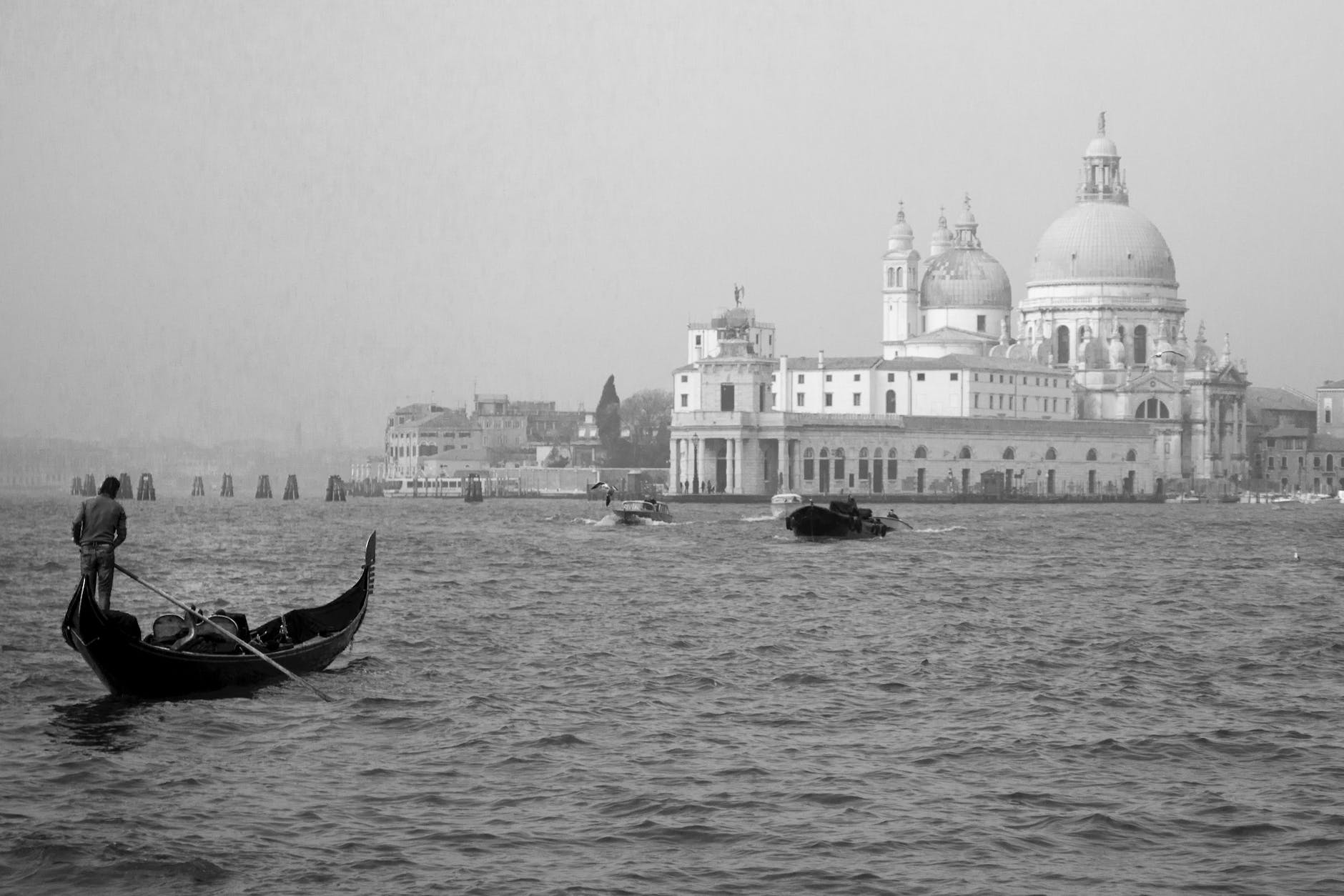
    From St Mark’s Basin you can take a gondola to Santa Maria della Salute.

    A great way to experience Venice is to cruise the famous canals in a traditional Venetian gondola. On this guided tour, you’ll explore some of the city’s most famous sights, from St Mark’s Square to the Grand Canal. You’ll also enjoy a scenic gondola ride along the canal while the knowledgeable gondolier tells you stories about the city and its culture.

    • These tours are in English or Italian
    • Duration: 30-60 minutes

    Venice by night

    City tours in Venice by night are fantastic, and often there are no tourists in the city.
    The Grand Canal and the Rialto Bridge at night is a popular destination.

    For those who want to actively experience the nightlife, these tours take you to some of Venice’s best bars and clubs. Not only will you get a glimpse of Venice’s vibrant nightlife, but you’ll also get to explore some of the city’s most beautiful sights in the dark and learn some of its spooky history and legends.

    • These tours are in English, and partly also in German
    • Comfortable shoes save lives – and feet
    • Duration: 1,5-2 hours

    Peggy Guggenheim Collection in Venice

    The Peggy Guggenheim Collection in Venice is a great art museum to explore and a guided tour in Venice will help you understand all artworks.

    Whether you’re an art lover or just curious about Venice’s history, this tour is a must if you already know the outside of the lagoon city.

    The collection includes works by some of the most important artists of the 20th century, including Pablo Picasso, Jackson Pollock, Salvador Dalí, Max Ernst and many others. It also includes an important collection of Surrealist art, which was a particular passion of Guggenheim’s.

    No matter which tour you choose, exploring Venice with a local guide is the best way to truly experience the city.

    Hidden gem: Visit to one of the few gondola workshops in Venice

    At the Squero San Trovaso, you can see how Gondolas are actually built and repaired.

    The squero of San Trovaso is located along the stream of the same name and dates back to before the 17th century.

    It is one of the few squeri still in use in Venice. The building in which it is housed has the typical shape of a mountain house, which is unusual for Venice. There are two reasons for this: on the one hand, both the carpenters and the wood for the construction came from Cadore; on the other hand, the slope of the forecourt and the canopy that partially covers it were useful in case of rain and for storing tools.

    It is possible to arrange guided tours inside the squero during which the characteristics of these particular boats and the techniques used to make them will be explained. The tour lasts about half an hour.

    For information contact them by e-mail: info@squerosantrovaso.com

    What makes a good guided tour in Venice?

    When it comes to exploring Venice, a good tour is essential to get the most out of your experience, especially if it’s your first time in the lagoon. A good guide should offer in-depth knowledge and information about the city, its history and culture, and give you the opportunity to discover hidden gems and less visited areas of Venice.

    A good guide should be passionate about the city and enthusiastic about telling the stories of Venice. A good tour should also offer opportunities to sample local food, visit iconic landmarks and sights, and make recommendations on what to see and do during your stay in the city.

    For those looking for a truly unique experience, a food tour in Venice is one of the best ways to experience the city like a local. A good food tour will take you around the city, from traditional trattorias to market stalls and bacari, while an experienced guide teaches you about the history and flavours of Venetian cuisine.

    When it comes to finding the best city tour in Venice, do your research and read reviews before you commit. There are many wonderful walking tours in Venice and this article will help you find the best walking tour in Venice for you.

    Why use a local guide in Venice?

    Visiting Venice for the first time can be overwhelming. It’s a city full of canals, bridges and stunning architecture, so it helps to have an experienced local guide to show you the way.

    With a local guide, you’ll get a personalised tour tailored to your needs and desires. Many guides know the city like the back of their hand and can tell you stories and anecdotes from its long history.

    Local guides can give you detailed information about various sights, such as where to find the best cicchetti in Venice or which temporary art exhibition might interest you. They can also take you to places that are not in the printed guidebooks, giving you an insight into the daily life of Venetians.

    With a local guide, you’re also more likely to get tickets to popular attractions, because in Italy, personal relationships still play a big role. Finally, they will give you valuable tips on where to eat and where to stay in Venice.

    Fun fact about getting lost in Venice? It is said that if you get lost in Venice, you can find your way back by looking for the tallest church. This is because in Venice all the streets radiate from the churches, which can be a good guide!

    Now that you know why you should use a local guide for your trip, let’s take a look at some of the best culinary tours in Venice and the best guided tours in Venice.

    Do you want to discover Venice on your own?

    Discovering Venice on your own can be an exciting and rewarding experience. A travel book will be a valuable resource where to look up historical and cultural information, as well as practical information and language tips.

    Here you can find my personal recommendations on the best Venice travel guides:

    Beware of the tourist traps in Venice

    Venice is one of the world’s most beautiful cities. No wonder tourists flock there to experience it for themselves. But what are the biggest tourist traps in Venice and how can you avoid falling into them?

    Here are some other things to look out for.

  • Celebrations in Venice on April 25th: St Mark’s day

    Celebrations in Venice on April 25th: St Mark’s day

    It is well known that Venetians are womanisers. Casanova’s fame precedes us a little, but we know how to be just as romantic, so today I’m going to tell you about a festival I love: St Mark’s day and the Festa del Boccolo (Bocolo) on April 25th in Venice.

    April 25th in Venice is not only the feast day of the patron saint of Venice, St Mark, but also the day when young Venetian lovers give their “sweetheart” a rosebud. So much for Valentine’s Day!

    St Mark’s Day in Venice

    The patron saint of Venice is St Mark, whose feast day is celebrated every year on April 25th. This day is known as “Festa di San Marco” (St Mark’s Day) and is an important holiday in Venice. The day is celebrated with church services, processions and other festivities throughout the city to commemorate the date of the discovery of the site where the relics were hidden in 1094.

    St Mark’s Day in Venice is one of the most important events in the city, an ancient tradition linked to the historic transfer of the remains of St Mark, the city’s patron saint of Venice, to the Serenissima, which took place on 31 January.

    Saint Mark is an important figure in the history and culture of Venice, being the patron saint of Venice and the symbol of Venetian identity. The famous St Mark’s Basilica in Venice is dedicated to him and his image can be found throughout the city in various forms of art and architecture.

    Festa del Bocolo

    This is a tradition linked to St Mark’s Day: The Festa del Bocolo is the custom of giving a rosebud to a loved one on St Mark’s Day.

    This is the patron saint’s day of Venice, celebrated in memory of St Mark the Evangelist. In our city it is customary for the men to give the women of the family a red rosebud, in dialect bòccolo: at least one rose a year!

    It is said that this custom has its origins in a legend: in the nineteenth century, a blonde girl called Maria, daughter of the future Doge Angelo Partecipazio, fell in love with the very brave and handsome troubadour Tancredi. The feelings of the two young people were rejected by their father, who would not allow such a marriage.

    The Festa del Bocolo and the st mark's day are held in Venice on April 25th. St Mark is the patron saint of Venice. The Festa del Bocolo and the St Mark's day are held in Venice on April 25th.

    Maria asked Tancredi to fight with Charlemagne’s army against the Arabs in Spain and to clothe himself in glory so that her father would no longer resist her love. Tancredi set off, and the fame of his glorious deeds soon spread throughout the world.

    One day, however, Frankish knights led by the famous Orlando came to Venice, sought out Maria and announced the death of the brave troubadour. He had fallen bleeding on a rose bush in Roncesvalles, but before he died he picked a flower and asked Orlando to take it to his beloved.

    The girl took the rose, still stained with her Tancredi’s blood, and endured her grief. The next day, the feast of St Mark, she was found dead with the bloody flower on her heart. Since then, the rosebud, symbol of love open to life and the sun, is offered to women on St Mark’s Day.

    In St Mark’s Square there is the “living Bocolo“.

    The calendar of events for Venice 2023

    Liberation Day in Venice

    The Festa del Bocolo and the St Mark's day are held in Venice on April 25th.

    Festa della Liberazione (Liberation Day) is a public holiday in Italy celebrated every year on April 25th. It commemorates the end of the Italian Civil War and the liberation of Italy from Fascist rule during the Second World War.

    On April 25th, 1945, Italian resistance fighters and Allied troops liberated the city of Milan from Nazi occupation. This event marked a turning point in the war and eventually led to the end of Fascist rule in Italy.

    The holiday is celebrated throughout the country with parades, speeches and other commemorative events. It is an important day in Italian history and commemorates the sacrifices made by those who fought for freedom and democracy during the Second World War.