In April, Nu Fest 2023 in Venice celebrates their memory and spirit with two events, on April 6th at the Fondaco dei Tedeschi and on April 29th at the Teatrino di Palazzo Grassi, with the projects Solaris (Giorgio Li Calzi-Manuel Zigante) and Impro Brain Sound Pod (Paolo Dellapiana-Valeria Sturba).
What is the Nu Fest 2023 in Venice?
Nu Fest is Veneto Jazz’s signature festival of electronic and contemporary music, founded in 2007 by Marcello Mormile, the festival’s artistic director.
His knowledge of experimental music and his innate intuitive sensitivity to the discovery of new musical trends in this field met the history and structure of Veneto Jazz, giving birth to unprecedented projects such as Nørdic Frames, a festival dedicated to Nordic production, and unforgettable events.
The events of Nu Fest 2023 in Venice
April 6th: Solaris at Fondaco dei Tedeschi
In Solaris, at the Fondaco dei Tedeschi on April 6, two different musical paths converge on an original common ground, inspired by Tarkovsky’s film of the same name.
The project, born in 1986 from the encounter between Zigante’s cello and the electroacoustic sounds of Li Calzi’s trumpet, traverses electroacoustic improvisation, electronics and contemporary rewriting of Bach and Artemyev’s classicism.
Tickets
Free admission by reservation only, by writing to fondaco.culture@dfs.com. Entrance 15 minutes before the start time of the event.
Manuel Zigante, a cello graduate of the Santa Cecilia Conservatory in Rome, is the founder of the Turin String Quartet under the direction of Piero Farulli (Quartetto Italiano) and the composer Gyorgy Kurtág, with whom he has performed extensively.
Giorgio Li Calzi, composer, trumpeter and music producer, is a cultural promoter and director of performance productions. He has produced jingles for many Italian brands like FIAT or Birra Moretti, he has composed music for theater and dance, played with musicians such as Wolfgang Flür (Kraftwerk), Lenine, Jon Balke, Marconi Union, and recorded during the 2020 lockdown with Arto Lindsay, Thomas Feiner, Frank Bretschneider, Stefan Németh, and the poet Chandra Livia Candiani.
April 29th: Impro Brain Sound Pod at Palazzo Grassi
Architect and electronic musician, Paolo Dellapiana is a transversal figure of the international experimental scene, former member of the Turin cult band Larsen since 1996.
As part of Nu Fest, he signs this new project with the multi-instrumentalist and singer Valeria Sturba, who crosses electroacoustic instruments with complex modular systems elaborated ad hoc, in a continuous search for avant-garde sound layering.
Both with Larsen and on his own, Paolo Dellapiana has presented his music with extensive tours and concerts throughout Europe and the United States. He has shared the stage with legends such as Einsturzende Neubauten, Swans, Neurosis, Breach, Crash Worship, Ulan Bator, Michael Gira, My Cat Is An Alien, Allun, Ronin, The Living Jarboe, Backworld, Xiu Xiu, Thalia Zedek, Dresden Dolls, Amber Asylum, Current 93, Johann Johann Johannsson, Baby Dee, Fovea Hex, Piano Magic, The Dead Texan.
Valeria Sturba is a multi-instrumentalist, singer and composer. A violinist by training, she plays theremin, keyboards, synthesizers, electronic effects, loopers and sound toys, crossing electroacoustic instruments with complex ad hoc modular systems in a constant search for avant-garde sound layering.
She has participated in many national and international festivals such as Umbria Jazz, Electromagnetica (Chile), B-Classic (Belgium), Dong! (Denmark), Tectonics (Scotland), Dancity, RoBOt. He has collaborated with many artists such as Tristan Honsinger, Ernst Reijseger, Enrico Gabrielli and Calibro35, Stefano Bollani, John De Leo, Cristina Donà, Stefano Benni, Hamid Drake, Lino Guanciale, Anna Maria Hefele, Giancarlo Schiaffini.
The Veneto wine region is the largest in Italy in terms of wine styles; in fact, Veneto is one of the country’s leading producers of quality wine. It could not be otherwise, considering that it covers an area of more than 75,000 hectares of vineyards, spread over plains, hills and mountains. It is no coincidence that the people of Veneto are also great connoisseurs and consumers of good wine!
It is not by chance that wine has been called the nectar of the gods, the intoxicating drink par excellence, a symbol of celebration that unites families and peoples. The gastronomy of Veneto in general, and that of Venice in particular, cannot be separated from this essential element. From prosecco to ombra, there is a wine for every occasion, and the people of Veneto know how to enjoy a good glass of wine and prosecco in Venice!
Wine and Prosecco in Venice: From the Plant to the Glass, Italy’s Most Celebrated Wines
Stocked wine and prosecco in Venice
Let us make a brief but exhaustive review of the wine products that Veneto offers its inhabitants and the millions of tourists visiting the Veneto wine region, and especially Venice, each year.
It’s worth mentioning that Veneto’s boom in this field began in the 1990s. It was thanks to the work of winemakers who understood the needs of the market. Their wines have won international acclaim, and their wine and prosecco in Venice are enjoyed by locals and tourists.
25% of the Veneto wine region’s wine is produced and marketed under the DOC and DOCG certificates.
DOC and DOCG are certificates that indicate the quality and origin of wines in Italy.
DOC stands for “Denominazione di Origine Controllata”, which means “controlled designation of origin” in English. This certificate guarantees that the wine was produced in a specific geographic area using traditional methods and grapes typical of that region.
DOCG stands for “Denominazione di Origine Controllata e Garantita”, which means “controlled and guaranteed designation of origin” in English. This certificate is more prestigious than DOC and requires even stricter quality standards. It guarantees the wine’s origin and quality, and it is subject to rigorous testing and tasting before it can be bottled and sold.
The climate in the Veneto wine regions changes considerably from one area to another, it is considered continental in the plains with cold winters and hot summers, although with milder weather around the lake and in the hills. There is thick fog and there is heavy rainfall. Traditional Veneto varieties are the Corvina, Rondinella, Molinara and Raboso grapes.
A very important variety is the Garganega grape, a white variety used for Soave wine and as a blend for Gamberalla wine. We also find Trebbiano, Tocai, Cortese or Malvasía Toscana grapes.
In addition, renowned imported strains such as Merlot, Chardonnay, Cabernet Sauvignon, Pinot Noir, Cabernet Franc or Riesling are grown. The Glera grape, known as Prosecco, is also common in the viticultural areas of northeastern Veneto.
A Delicious Wine and Prosecco Tasting Tour of Bacaris in Venice
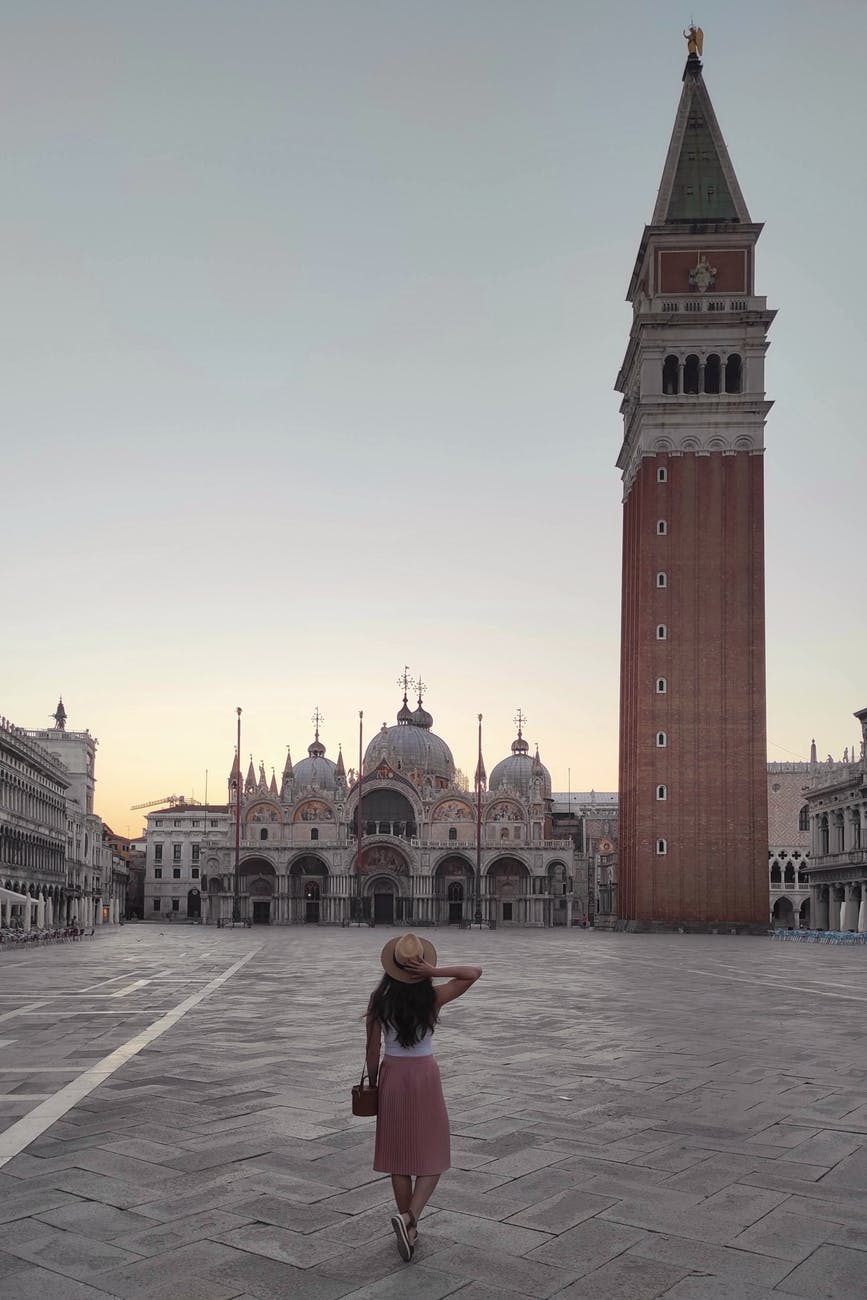
You can enjoy a glass of wine from the Veneto wine region at one of the restaurants at St. Mark’s square in Venice.
Bacari are traditional Venetian small bars and taverns that serve small snacks called cicchetti and local wine. They are cozy and lively places where locals and tourists alike gather to socialize and enjoy a good time, commonly standing at the bar or outside on the street while sipping a glass of wine and prosecco in Venice and sampling the delicious cicchetti.
If you’re a wine enthusiast, a wine and prosecco tasting tour in Venice can be a delightful and educational experience. Not only will you get to sample some of the best wines produced in the Veneto wine region, but you’ll also learn about the history and culture behind the wine-making process.
A wine and prosecco tasting tour in Venice allows you to discover different local grape varieties and wineries that you might not have known about otherwise. It’s also an opportunity to meet local wine producers and learn about their techniques, traditions, and unique approaches to wine-making.
Cantina Do Spade
Cantina Do Spade is one of the oldest wine bars in Venice, dating back to the 15th century. It is located near the Rialto Bridge in a charming and historic area of Venice, making it easily accessible for tourists.
It is one of the best places to start your wine and prosecco tasting tour, trying many wines originary from the Veneto wine region. At is at Cantina Do Spade, you can try the classic Venetian dish of sarde in soar, or sweet and sour sardines. Pair it with a glass of wine, i.e. local white wine such as Soave or Pinot Grigio.
Next, head to the bustling Rialto market and stop at Bancogiro, which is known for its selection of fresh seafood, coming directly for the Rialto market nearby.
The Osteria Bancogiro is a charming and cozy restaurant located in a historic building right on the Grand Canal, providing a stunning view of the Rialto Bridge. The wine list is extensive, featuring a wide selection of Italian and international wines, including several varieties of prosecco.
Try the seppie al nero, a dish of squid cooked in its own ink, and pair it with a glass of wine, i.e. red Bardolino or Valpolicella from the Veneto wine region.
If you want to taste ones of the best cicchetti of Venice and have a glass of wine from the Veneto wine region, make your way to Cantine del Vino già Schiavi, a tiny bacaro located near one of the city’s iconic gondola repair shops.
They have a wide range of wines, from red and white to sparkling wines like prosecco, from the Veneto wine region and also from all over the world. They also offer wine tastings and aperitivo with a variety of small bites and traditional Venetian cicchetti, making it a popular spot for locals and tourists alike.
From Vineyard to Tavern: Tracing the History of Venetian Wine and Prosecco Culture
Wine and prosecco tasting tours are quite popular in Venice.
When the subject is wine, it is a must to talk about wine cellars (in Venetian bacari). In fact, in the bosom of the Serenissima Venezia, many wineries were born.
Although historians do not all agree on this version, it is believed that the term for the Venice’s classic goblet of wine, the ombra di vino – in English “shadow of wine“, takes its name from the custom of wine growers to sell wine in the shadow of St. Mark’s bell tower, on itinerant stalls that they would move, following the shadow to keep the drink fresh.
The vendors were called bacari (a relatively recent term, dating back to the late 19th century, from which osterias were later named), which is thought to derive from an ancient Venetian dialect expression, far bàcara, that is, to celebrate in the name of Bacchus.
Thus were born these prestigious meeting places that, with the passing of time, have undergone changes that have inevitably cast aside the ancient charm of simplicity and authenticity of a place where nobles and gondoliers met to play cards, have a glass of wine from the Veneto wine region and perhaps challenge each other.
The ombra di vino – the wine shadow
Drinking an ombra di vino in Venice is a social ritual, a declaration of friendship and solidarity renewed from day to day and hour to hour. It is one of the most iconic behaviour of the locals living in Venice. But what is the story behind this ante litteram aperitif?
It seems to be a difficult task to establish with certainty the origin of the term, and there is no shortage of more or less fanciful hypotheses. The best one is that the term “ombra” comes from the fact that in the days of the Republic of Venice, wine was kept in the shade to keep it cool and prevent it from going bad. In fact, legend has it that between the fourteenth and fifteenth centuries, wine merchants in St. Mark’s Square followed the shadow of the Bell Tower for this very reason.
Venipedia, on the other hand, claims that the name “shadow” comes from the fact that in the Sestiere of San Polo, in the old tavern Alla Speranza, at the end of the 19th century, the measure of wine, corresponding to a tenth of a liter, was called “shadow”.
From Shady Characters to Chic Hangouts: A Look at the Evolution of Venetian Tavens
The Cantine del Vino già Schiavi is a great place for a wine and prosecco tasting tour in Venice.
Today, the bacari are trendy hangouts, but from the mid-14th century to the late 18th century, osterias were not exactly nice places to hang out. Toward the end of the Middle Ages, Venice was full of people: pilgrims, foreign merchants, representatives of other countries, and general travelers.
But where did all these people stay?
In addition to the institutional structures and the monasteries, both of which welcomed guests, another important accommodation was the tavern. In fact, they were the officially recognized lodgings, so much so that from 1355 they were organized into a proper scuola, the ancient name for a guild or lobby in ancient Venice.
A curiosity: at the beginning of the 16th century there were 23 bacari in Venice. In the eighteenth century, however, they stabilized at 20. Around 1650, however, the number of taverns was forcibly reduced to 13: on paper, the reason given was the “serious shortage of wine” that was plunging the city into crisis.
More likely, the Serenissima government was trying to bring order to the world of Venetian hospitality. There were, in fact, too many hotels and the like that were detracting from the quality of life.
The innkeepers were not free to do as they pleased, but had to submit to the rules imposed by the Great Council, namely:
They had to pay a tax;
They had to make their beds with sheets and blankets – apparently it was not so obvious;
They could not give shelter to bandits, beggars and prostitutes. And why? To ensure public safety. And the innkeeper had to obey this rule, or else he would go to jail.
The best accommodations in Venice
As already mentioned, the tourist flow in Venice in April is not so big and it is very difficult to find fully booked hotels. I would still advise you to book well in advance, especially if you are planning to spend Easter or April 25th in Venice, as these days attract many tourists every year.
To make it easier for you, we have selected some of the best Venetian hotels that offer great value for money and are ideally located for exploring Venice in April:
Elegance and refinement are just two of the elements that distinguish this Bed & Breakfast: You will be satisfied because B&B Bloom is a warm and cosy place to stay. Modernity blends with classic Venetian style to create a charming décor. And don’t forget to take advantage of the terrace with a panoramic view of the Serenissima, which is B&B Bloom’s unique selling point!
Antica Locanda Sturion ***
Located on the top floor of an ancient Venetian palace, this is one of the few 3-star hotels in Venice. The interior is very charming, with typical Venetian red furniture and damask, evoking the bygone days of rich spice merchants and ambassadors from all over the world.
Although wine is the first thing that comes to mind when talking about wine cellars, there are many other drinks, both alcoholic and non-alcoholic, that can be drunk in between shots.
One of the most popular is the spritz, a versatile and light cocktail that has become world-famous and is a perfect accompaniment to any type of food, of which there are many different versions.
Venetian Spritz with Select
It is said to be the true Venetian spritz. In fact, Select was born in Murano in 1920. Purists make it this way:
⅓ wine (or Prosecco),
⅓ Select
⅓ soda.
It should be served in a low (rock) glass or in goblets filled with ice. A slice of orange can be added as a garnish.
Venetian Spritz with Campari
When ordering a spritz in Venice, the classic question is, “With Campari or Aperol?” Spritz with Campari, with its bright red color, makes for very summer evenings outside bacari “ciacolare” (chatting).
An unwritten but shared rule dictates that the recipe is as follows:
rock glass or goblet,
ice to pour first,
⅓ white wine (or Prosecco),
⅓ Campari,
⅓ soda,
orange slice.
Venetian Spritz with Aperol
Although the original Venetian Spritz is with Select, the Venetian Spritz with Aperol is the most famous one.
The other great classic of many evenings is the Venetian spritz with Aperol, which gives the cocktail an orange color that matches the summer sunsets seen on the coast. How do you make the perfect Venetian spritz with Aperol?
Like this:
always put the ice in first,
⅓ white wine (or Prosecco),
⅓ Aperol,
⅓ soda,
the orange slice.
Venetian Spritz with Cynar
It has a brown color that could be mistaken for Coca-Cola, but no, it is the famous artichoke-based bitter Cynar, and you can make tasty (and bitter) spritzes with it.
How? Like this:
rock glass (rarely a goblet),
⅓ wine (or Prosecco),
⅓ Cynar,
⅓ soda,
ice,
a slice of lemon.
Spritz Hugo
This may be heresy to some, but we assure you that elderberry spritz is really good. How to make “Hugo”?
a goblet, or a rocks glass,
fill with ice,
⅓ Prosecco,
⅓ elderberry syrup,
⅓ soda,
slice of green apple
a mint garnish.
Wine urges me on, the bewitching wine, which sets even a wise man to singing and to laughing gently and rouses him up to dance and brings forth words which were better unspoken
Homer – Odyssey
All this is wine, part of the culture of Veneto and of Venice, and above all it gives us an excuse to get together, to celebrate loves and friendships, or just to have a little fun.
If you are planning a day trip to Venice, there are a few sights you should not miss. One of them is the majestic “Ponte di Rialto” or Rialto Bridge, immortalized by artists like Canaletto and even mentioned by Shakespeare, whose Shylock in The Merchant of Venice asks, “What’s new on the Rialto?”
Whether you’re planning a romantic getaway in Venice or wondering what to do with your family, the Rialto Bridge should be on your itinerary.
History of the Rialto Bridge
The Rialto Bridge was built to provide access to the Rialto Market and to connect the San Marco and San Polo districts. It is the oldest bridge over the Canal Grande. The bridge in its current form dates back to 1591, but its history goes back much further.
It was originally a pontoon bridge built in 1181, which was replaced by a wooden structure in 1255. It was damaged by fire during a riot in 1310 and then collapsed twice – the first time in 1444 under the weight of people using it as a lookout point for a regatta, and then again in 1524.
The bridge as we know it today is the result of decades of proposals by famous architects who competed to design a sturdy replacement for the wooden stone bridge. Among the architects who participated in the competition were Michaelangelo and Palladio, an architect best known today for his impressive country villas.
Accommodation near the Rialto bridge?
The location of this 4-star hotel is ideal for exploring and discovering the city. Imagine sitting at the window of your Junior Suite and admiring the Rialto Bridge. Under the arch of the bridge, gondolas and boats constantly cross the Grand Canal and the vaporetti stop just steps from the hotel to bring all of Venice to you.
In the end, Antonio da Ponte’s design was chosen, similar to the previous wooden bridge, and construction of the new marble bridge began in 1588. It was opened in 1591 and was the only place to cross the Grand Canal on foot until the construction of the Accademia Bridge in 1854. Today it is one of the most popular tourist attractions in Venice.
There are many shops on the Rialto Bridge, most of them selling luxury goods such as jewelry, watches or Murano glass. There were shops on the first wooden bridge in 1250; at that time the city financed the maintenance of the bridge from the rent of the rooms.
Fun fact: The rent for about 16m² on the bridge (8m² ground floor, 8m² first floor) is about 5,000 euros/month.
Do you want to discover Venice on your own?
Discovering Venice on your own can be an exciting and rewarding experience. A travel book will be a valuable resource where to look up historical and cultural information, as well as practical information and language tips.
Here you can find my personal recommendations on the best Venice travel guides:
The location of the Rialto Bridge makes it possible to capture the splendid atmosphere of the sunset over the Grand Canal in the southwest; the reddish sky and the last rays of the sun are reflected on the water, illuminating the bright palaces along the canal with a warm light. Venice is certainly not lacking in romantic atmosphere, but the city is even more beautiful at sunset.
Some technical details about the Ponte di Rialto
One of the most impressive features of the Rialto Bridge is its construction. The bridge is held together by a series of interlocking stones and a unique system of dovetail joints, which allowed the structure to withstand the weight of heavy traffic and the forces of the Grand Canal.
The Rialto Bridge has a single span with a height of 7.5 meters and a width of 22 meters. The bridge is supported by two ramps leading to a central portico with three arches. The portico is lined with shops and the arches are decorated with statues of St. Mark, St. Theodore and the Annunciation.
The architecture of the Rialto Bridge is also notable for its elegance and simplicity. The design of the bridge is characterized by clean lines and a sense of symmetry, creating a harmonious and pleasing appearance. The use of Istrian stone also gives the bridge a warm and inviting appearance, making it a popular destination for tourists and locals alike.
Where is the Rialto Bridge located in Venice?
A walk across the Rialto Bridge is at the top of the list of romantic things to do in Venice, as it offers a beautiful view of the Grand Canal and numerous small souvenir shops.
If you’re wondering how to get to the Rialto Bridge, there are several options. You can walk north from St. Mark’s Square through the quaint streets of the city to the Grand Canal – you can’t miss the Rialto Bridge! Or take a water bus and get off at the Rialto Bridge stop. Get your camera ready for one of Venice’s most breathtaking sights… The Rialto Bridge is one of the best photo opportunities in Venice!
Fondaco dei Tedeschi
The luxury shopping center on the Grand Canal, in an ancient thirteenth-century palace, offers not only three floors of priceless brand-name goods in the middle of the oldest part of Venice, but also a free visit to the roof terrace with breathtaking views of the canal and the Rialto Bridge. However, this is only possible with prior booking: 15-minute slots are offered from 10:30 to 18:30.
Tip: Book two slots in a row. You can show both bookings at the first control, so that you stay on the roof terrace during the "shift change" and are not sent back to the waiting hall. That way you have the terrace for a minute or two just for you and your photos; tripods have been allowed, by the way.
The name suggests that the building served as a settlement for German-speaking merchants and craftsmen in the late Middle Ages and Renaissance; even the Fuggers had a trading post here. Today, the premises still have signs and coats of arms of various merchants engraved on columns, shelves, windows, walls, facades and plinths to claim the space for themselves.
Venice is one of the world’s most beautiful cities. No wonder tourists flock there to experience it for themselves. But what are the biggest tourist traps in Venice and how can you avoid falling into them?
Here are some numbers and trivia to learn more about the Rialto Bridge:
The Rialto Bridge is 28 meters long and 22 meters wide; the average height above the water is 7.5 meters.
From 1591 until 1854 (when the Accademia Bridge was completed), the Rialto Bridge was the only way to cross the Grand Canal on foot.
The design of the bridge was considered daring, but it turned out to be very successful: no maintenance was needed for over a century. The first restoration was carried out in 1738.
There are 24 shops on the Rialto Bridge, 12 on each side.
There are three pedestrian crossings: a central one, about 10 meters wide; two lateral ones, about 3 meters wide.
To cross the bridge you have to climb 80 to 120 steps, depending on which passage you use and where you come from.
The bas-reliefs that decorate the bridge include a man with a third leg and a woman crouching over the flames. According to Venetian legend, they represent two merchants who opposed the construction of the bridge because they were skeptical about its ability to bear weight.
The bas-reliefs depicting St. Mark and St. Theodore are by Tiziano Aspetti, a 16th century Venetian sculptor who was very active in Venice.
The name Rialto comes from the Latin “Rivus altus”, which can be translated into Italian as “deep canal”: this expression was probably used to indicate that the area was free from flooding.
Venice is the perfect destination for a vacation, whether it is a romantic getaway or a day trip. But this beautiful city is not only known for its art and cultural treasures, gondola rides and world famous carnival. It also has a wonderful culinary tradition.
Whatever brings you here, if you are a foodie and love fish, you should not miss the opportunity to enjoy a delicious meal at one of the best fish restaurants in Venice. Indeed, Venice offers an unforgettable culinary experience with dishes prepared with high quality local products and, of course, fresh fish.
You are spoilt for choice when it comes to restaurants where you can enjoy a delicious lunch or dinner. Here are the five best fish restaurants in Venice. It’s best to try them all and find out which is your favorite.
The 5 best fish restaurants in Venice
Osteria Al Cantinon – traditional cuisine of the region
If you want to get to know the authentic Venetian cuisine, the Osteria Al Cantinon is the right address. It is located in the Sottoportego de le Colonete, 2152.
This charming restaurant will impress you with its view of the canal and its traditional dishes prepared exclusively with local ingredients: Here you can “rediscover the simplicity of traditional Venetian cuisine with a few modern reinterpretations”. Ceviche of amberjack, spaghetti with squid ink, twice cooked octopus and fried eel are just some of the delicacies that will delight your taste buds.
Osteria Al Cantinon will be at the top of your list of favorites.
Poste Vecie is another fish restaurant in Venice that you should definitely visit. It dates back to the 16th century, making it one of the oldest, if not the oldest, restaurant in Venice.
It is located in the Rialto fish market in San Polo 1608.
The romantic and elegant restaurant offers the best traditional Venetian cuisine, such as the famous cream cod, granseola (spider crab), squid and other fish specialties.
Sudest 1401 – a combination of local and oriental cuisine
I have to admit that I’m not a fan of fusion cuisine. Nevertheless, oriental dishes often arouse my curiosity, so I came to try Sudest 1401.
The restaurant is located in a Venetian palazzo and offers an intimate and relaxed atmosphere, also thanks to the beautiful garden. It is located in the Palazzo delle Zattere, Dorsoduro 1401.
Sudest 1401 is a little off the beaten tourist track, but it is no less than what you would expect from Venice. Here you can enjoy traditional dishes reinterpreted with skill, such as gnocchi with fondue and red prawns, fried mackerel with saffron sauce, or raw fish dishes such as amberjack, red prawns, scampi and scallops.
Trattoria Anzolo Raffaele – where Venetian and Sardinian cuisine meet.
To name another unusual but extraordinarily delicious culinary combination, at Trattoria Anzolo Raffaele you’ll find Venetian and Sardinian gerischte.
Since both cuisines love fish, don’t miss this delightful trattoria, one of the oldest in the city. Like many locals and tourists, I love the cozy atmosphere and the simple but refined cuisine that combines traditional Venetian cuisine with Mediterranean-Sardinian flavors.
So if you want to try the famous millefeuille with mullet roe, the tagliolini with spider crab or the grilled fish of the day, you should visit the trattoria at Campo dell’Angelo Raffaele, Dorsoduro 1722.
Wisteria – a Michelin star fish restaurant in Venice
No list of the best seafood restaurants in Venice would be complete without a Michelin-starred restaurant like Wisteria.
Located in the heart of Venice at 2908 San Polo, Wisteria’s avant-garde cuisine explores new flavors with products sourced from local farmers using sustainable farming practices.
The restaurant is open for lunch and dinner. It is characterized by its beautiful wisteria plants, hence the name, the dining room, the view of the canal and the excellent fresh fish used for dishes such as pasticcio de pesse, smoked mullet, or the “pink pearl”, oysters from the Po Delta with cream, mignonette sauce and kiwi.
Rialto market under water in Venice, Venezia, Italy.
A book tip for gourmets!
Venice On A Plate: But What A Plate!
Enrica Rocca’s book explores the culinary traditions of Venice, Italy, and features a collection of recipes inspired by the city’s unique cuisine.
The book is divided into sections that focus on different aspects of Venetian food culture, including fish and seafood, vegetables, meat, pasta, and desserts. Each section includes a range of recipes, as well as information on the history and cultural significance of the dishes.
Do you want to learn Italian while enjoying a coffee in Venice?
The most successful language learners get into the habit of studying on a regular basis. 50 Italian Coffee Breaks makes it easy to master a simple routine for improving your Italian by effortlessly integrating it into your soothing daily ritual – from a 5-minute espresso to a 15-minute latte.
The title of this blog article sounds very pretentious, I know. I’m sure you’ve been south of the Alps a lot of times and have managed to get the caffeinated drink. In this blog post, I would like to explain to you the comprehensive protocol for how to order coffee in Italy.
So why this text? On the one hand, I want to share with you some of the things I notice during my sporadic trips to Italy as an Italian expat living abroad for over 20 years; on the other hand, I find it helpful to behave like the locals in order to make contact with them more easily and not be immediately labeled as a tourist.
Believe it or not, there is an extensive protocol for ordering coffee in Italy. Since I left Italy when I was twelve, it’s understandable that I wasn’t interested in coffee and its unspoken rules of behavior. That’s why it was all the more exciting for me to observe how my fellow countrymen order which coffee and when, because the whole procedure was not a matter of course for me.
There is something very folkloric about the many rules of how to behave, which are just part of everyday social behavior in Italy. In fact, there is a completely different code within one’s own four walls, also because coffee is usually prepared in a coffee pot (in Italian: bialetti, caffettiera or moka). Their options are limited, and so they usually serve either moka coffee straight or with milk, regardless of the time of day.
Below are my observations, which can also serve as a flexible guide to ordering coffee in Italy like an Italian – or an Italian woman.
A usual breakfast in Italy includes coffee and sweet pastries. Here is a homemade ciambella in Venice.
The origin of my interest in coffee
The internalization of coffee culture among young people in Italy takes place during their teenage years. In the course of my observations, I was able to identify two behaviors among my Italian peers that only develop during adolescence: meeting friends for aperitifs and going to the most popular cafés in town and drinking coffee like the adults there.
I was never exposed to this socialization in Germany, so I hardly knew anything about Italian coffee etiquette. My few experiences with coffee as a child were limited to slurping cappuccino milk foam, which often led to me ordering cappuccinos in the afternoons when I was ten and eleven (no wonder I ended up in Germany years later).
It wasn’t until I started studying agricultural science that my curiosity about coffee was piqued, when I took a course on the cultivation of coffee and cocoa. I was quickly fascinated by the science behind the production of a seemingly simple hot beverage!
Bialetti is probably the most famous Italian company that creates moka coffee machines and exports them all over the world.
Breakfast in Venice
Are you in Venice and looking for a recommendation for a good café with delicious food? Here are my favourites and helpful information to enjoy the best coffee in the lagoon city.
If you are interested in coffee and its history, I can recommend the following books:
The World Atlas of Coffee: From Beans to Brewing – Coffees Explored, Explained and Enjoyed
In The World Atlas of Coffee: From Beans to Brewing – Coffees Explored, Explained and Enjoyed*, the origins, the growing areas, the harvest and every step of the production process are explained very well and the coffee plant as well as the different varieties are explained clearly. The path from the bean to the cup as well as all the possibilities of roasting and brewing are described in detail.
This unusual approach guides you on a journey from coffee farmer to roaster, market analyst to barista, in a style that is both rigorous and experience based, universally relevant and personally engaging. From on-farming processes to consumer benefits, you are given a deeper appreciation and understanding of coffee’s complexity.
Let’s start with the coffee (drink) options in Italy. If you like to drink coffee in the many chain stores like Starbucks, Coffee Fellows, etc., you are used to an extensive coffee menu, often with up to twenty items.
In most Italian cafes, however, the selection is much smaller. The following drinks are the most common.
Caffè
A simple espresso served in a thimble-sized cup. Sometimes espresso is served in a glass, partly because of the emphasis on presentation and partly because it cools faster and is easier to drink. It comes with a tiny spoon and sugar, and if you’re really lucky, a little cookie.
The word “espresso” is not normally used by Italians to order coffee in Italy – it is the name given to the process of making coffee on the large portafilter machines, not the drink itself. That’s why Italians simply say “un caffè“.
Caffè doppio
A word about double coffees: If you want a double espresso (“caffè doppio“), I recommend ordering two single caffès instead. First, the locals don’t tend to drink a double espresso, and second, the double takes twice as long in the cup; I prefer to drink two freshly made Italian caffés.
Caffè lungo
A caffè lungo contains a little more water: this softens the intensity of the espresso and I can sip it a little longer. This coffee also comes in a tiny cup, but it is now full to the brim.
Caffè ristretto
A caffè ristretto is the opposite of a caffè lungo: a condensed coffee that tastes anything but mild. Hardly any water is used – good for the environment! – but the caffeine concentration is very high. It’s not for me.
Caffè decaffeinato
The decaffeinated coffee is suitable for those who do not want to give up a good coffee, but prefer to drink it decaffeinated.
Caffè d’orzo
Caffè d’orzo, Italian for “barley coffee” and often shortened to simply orzo or barley coffee, is a decaffeinated, roasted grain beverage made from ground barley. It is an espresso-like beverage that, when made directly from roasted barley, is easily prepared in typical espresso machines and coffee makers.
In Italy, Caffè d’Orzo is prepared in traditional Italian espresso machines in cafes. At home, Italian families tend to make it with an orziera, a special moka pot designed for barley.
Despite the name, Caffè d’Orzo contains no coffee, only barley, and is gluten-free.
Caffè macchiato
A caffè macchiato is basically an espresso with a shot of milk foam. Of course, it’s served in a small cup.
Caffè Latte
A caffè latte is coffee with milk, i.e. coffee in a large cup with cold milk.
Cappuccino
Probably the Germans’ favorite drink on vacation, no matter where they are. A cappuccino is the perfect combination of espresso and frothed whole milk.
It is served in a standard cup: There are no large or small cups, except in places frequented by tourists. The coffee is poured into the cup first, followed by the milk. Since the milk foam is a little heavier than the cream of the espresso, it lifts it up and offers the opportunity to use the combination of white background and light brown surface as a drawing surface.
The real art is to create a semi-solid and uniform foam. The enthusiasm and passion for latte art is so great that annual latte art championships are held all over the world.
Cappuccino in Italy is usually served without foam figures, but sometimes I find a barista who is a true artist.
Latte macchiato
This is the reverse version of a cappuccino: milk with a shot of espresso. What is important here is the order in which the milk and coffee are mixed. In Italy, the milk foam is poured into the glass first – yes, latte macchiato is always drunk in a glass – and then the coffee.
The special feature of the latte macchiato is the many coloured layers that come from the heated and frothed milk.
And what about all the flavours and plant-based milks?
Meanwhile, in Italy, it is not only easy to find plant-based milk substitutes, but they are completely accepted. Soy milk froth is also almost indistinguishable from cow’s milk froth; only the barista will know your secret.
If you want some sugar in your coffee, just use sugar. Hazelnut, vanilla and other artificial flavors are the domain of Starbucks and Co.
And finally: Caffè corretto
You may be pleased to learn that the only acceptable way to dilute your own coffee is by adding schnapps.
If that’s your thing, ask for a caffè corretto. But even here there are some rules. The two main alcoholic drinks used to enhance coffee in Italy are brandy and grappa.
A few words of caution. First, brandy comes in its own full-sized glass, which you usually dip into your coffee. Second, caffè corretto is often drunk in the morning.
When do I drink coffee in Italy – and what kind?
Cafés usually offer a glass of water with the coffee, but sometimes I have to ask for it.
Knowing which coffee to choose is only half the battle. It is still important to know which coffee is appropriate when. You probably know that ordering a cappuccino after lunch is the fashion equivalent of wearing socks and sandals. (But a cappuccino is always delicious, no matter what time of day.)
A very simple rule of thumb is: in Italy, don’t order coffee in Italy with milk after lunch. By and large, this is the only rule that is followed from Sicily to South Tyrol.
However, it is not forbidden to order a cappuccino in the afternoon. However, it is like being a tourist in a foreign country who does not know the place.
Do you want to learn Italian while enjoying a coffee in Venice, Florence or at your favourite Italian cafè?
The most successful language learners get into the habit of studying on a regular basis. 50 Italian Coffee Breaks makes it easy to master a simple routine for improving your Italian by effortlessly integrating it into your soothing daily ritual – from a 5-minute espresso to a 15-minute latte.
Here are my top tips for ordering coffee successfully and like a local
How can I order coffee in Italy?
What’s missing is the actual order.
Italians still drink their coffee in (new) old-fashioned bars and have not yet acquired a taste for hip 21st-century coffee shops. Such bars are easily recognized by the fact that they are lined with people sipping a tiny cup of strong coffee.
Many bars do not offer table service. That’s why it’s important to jump into the fray; gesture, raise your hand, get the attention of the barista or waitress, wait to make eye contact, and shout your order confidently.
For comparison, here are the cups for cappuccino and espresso side by side under a portafilter machine.
How to pay for coffee in Italy
I know, I know. You think: Claudio, you’re crazy. I know how to pay for a coffee, and in Italy it’s no different than in Germany. But it’s not that easy in Italy.
In many Italian bars, when you order coffee in italy, you get a little slip of paper that serves as your bill. Then you get your order, and when you’re done, you pay the bartender or cashier.
In some cases, however, you pay in advance when you order. If the pub is a bit bigger, you order your drinks at the cash register, pay the cashier and then go to the bar with the receipt and tell the bartender what drinks you want if they are not listed on the receipt.
How do I know if I have to pay at the bar or the cashier? I have a simple tip for this: I usually stand there for a minute, watch the locals order, and do the same. Worst case scenario, you order your drink and are told you have to pay first.
That was a successful breakfast at my favourite coffee roastery in Venice, the Torrefazione Cannareggio.
How I drink coffee in Italy
Let’s recap: You know what coffee you want to drink and you’ve already figured out when and where to pay. With coffee in hand, you want to sit down and sip your drink, correct?
Wrong, because coffee for Italians is a quick drink that you take standing up at the counter. For me, enjoying a coffee is often a moment to relax, savour the delicious taste and observe the people around me. While many cafés in Italy offer a place to sit down, especially in tourist areas, this is not the way of the locals.
At the bar or counter is the life of the people on the go, indulging in a little caffeinated indulgence between one appointment and another. Sometimes, however, I see older people sitting at a small table in a corner, either having animated discussions about the football match in progress, or keeping a meaningful silence and sipping their very Italian coffee.
Conclusion
It is considered unacceptable to mix coffee and milk after lunch, but it is perfectly fine to have a shot with breakfast. Great!
Order coffee in italy, pay for coffee in italy, finally caffè corretto, when do i drink which coffee. drink coffee in italy, coffee types in italy with frothed milk. Caffè espresso: classic and simple italian. Caffè Macchiato: Espresso with frothed milk. Cappuccino: the most famous Italian drink. double espresso with frothed milk. Latte Macchiato: single espresso with milk in a glass. Caffelatte: cappuccino without foam. Caffè Decaffeinato: decaffeinated coffee. Caffè Lungo, caffé doppio, Caffè Marocchino. Caffè Corretto: with a shot of alcohol – grappa, sambuca, brandy. On the travel photography blog of Claudio Salvati Photography.
The retrospective Vittore Carpaccio in Venice opens on 18 March and will be on show until 18 June. The exhibition is curated by Peter Humfrey, a specialist on the painter and his environment, in collaboration with Andrea Bellieni, member of the board of directors of the Musei Civici di Venezia and director of the Correr Museum, and Gretchen Hirschauer, curator of Italian and Spanish painting at the National Gallery of Art in Washington.
With this magnificent exhibition, based on discoveries and new attributions, as well as extraordinarily revealing restorations, we can offer the public and scholars an updated historical-critical reinterpretation of Carpaccio’s painting and its evolution, from the beginnings to the late works, which are usually neglected by critics.
Andrea Bellieni, Director of the Correr Museum
Many of the works on display are on loan from museums, churches, institutes and private collections in Europe and the United States. These works are essential to offer a tour that documents the evolution of Carpaccio’s art in the most objective and complete way.
His works, perhaps more than those of any other Venetian Renaissance artist, embody the essence of “Venetian”, that is, the opulent spectacle and mythology of the Serenissima, which was then at its economic and cultural zenith. With this exhibition, Venice also celebrates its history, its tradition and one of its most famous painters, who through his art tells us about the city and its beauty, giving us images of everyday life from a past that comes alive again.
Luigi Brugnaro, Mayor of Venice
45 paintings with religious, profane or genre themes illustrate the artist’s great imagination, narrative and descriptive skills, as well as his skilful painting technique. A striking core of drawings, on the other hand, demonstrates his particular ability to ‘study’ reality in detail, revealing his interest in nature, perspective, the customs of his time and the effects of light.
Prices and opening hours of the exhibition Vittore Carpaccio in Venice
Until March 17, 2023, one day before the opening of the exhibition, tickets cost only 10 euros instead of 13.
The exhibition can be visited from March 18, 2023 to June 18, 2023. In March from 9 am to 6 pm, from April from 9 am to 7 pm. Last admission always until one hour before closing.
Are you looking for the best guided tours in Venice to experience the city like a local? Then you’ve come to the right place! Venice is one of the most magical cities in the world, and what better way to discover its hidden treasures than on a guided tour?
From gondola rides and culinary tours to walking and boat tours, there are endless ways to experience Venice like a local. In this blog post, I’ll share my top recommendations for the best guided tours in Venice to help you get the most out of your trip.
Some of the best guided tours in Venice take place near St Mark’s Square.
What does Venice have to offer?
Venice is a stunning city known for its many canals, beautiful architecture and incredible cultural heritage. Located in north-eastern Italy, Venice is a unique city with breathtaking views and centuries-old traditions.
The floating city is full of majestic landmarks, including St Mark’s Square, the Rialto Bridge and the Doge’s Palace. As well as the famous sights, Venice has many hidden treasures just waiting to be discovered. From charming alleyways to quaint Venetian neighbourhoods, there is something for everyone and this article on the best guided tours in Venice will help you find your future favourite tour.
Of course, you can’t forget the traditional gondola rides or the delicious Italian cuisine available everywhere in the city. Whether you are looking for a romantic getaway or an unforgettable family trip, Venice has something for everyone.
The best guided tours in Venice
When it comes to visiting Venice, a guided tour is one of the best ways to experience this iconic city. With an experienced local guide, you can explore the most beautiful parts of the city, discover its hidden treasures and learn about its rich history and culture. From walking tours to boat tours to gondola rides, there are many great guided tours in Venice to choose from. Here is a selection of the best guided tours in Venice.
For all tours in Venice applies:
Unfortunately, the many bridges and steep staircases, as well as the lack of lifts or other means of transport, make the itineraries unsuitable for people with limited mobility.
As in the rest of Italy, churches can only be entered with appropriate clothing: shoulders and knees should be covered. (Exceptions prove the rule)
Luggage and large bags are usually not allowed in museums and churches.
Some tours take place in all weathers, even during floods.
The Saint Mark Tour
Venice is more than just the centre around St Mark’s Square, but St Mark’s Basilica and its tall bell tower are probably the first images that come to mind when we think of Venice. This tour gives you the opportunity to discover both St Mark’s and the Doge’s Palace, as well as the Bridge of Sighs. This is one of the most popular and best tours in Venice.
This tour is also available in English
Duration: 2-3 hours
Entrance to the second floor of St Mark’s Basilica and the terrace
Der Spritz, nicht nur mit Aperol, ist eine venezianische Erfindung.
This popular tour takes all participants on a delicious journey through the best bacari and eateries in Venice. On this tour you will taste regional dishes, explore the lively markets of Venice and learn all about the unique ingredients of traditional Venetian cuisine. As the region around Venice is home to many excellent grape varieties, this tour includes tastings of Prosecco and wines, as well as the typical Venetian Spitz and even locally produced gin. (Those who don’t drink alcohol may be disappointed with this Venice tour).
This tour is conducted in English or Italian.
Many alcoholic beverages will be sampled – in reasonable quantities.
Are you interested in Venetian specialities and would like to know more about them? Find out what Venetians traditionally eat and drink and where to find the best restaurants in Venice:
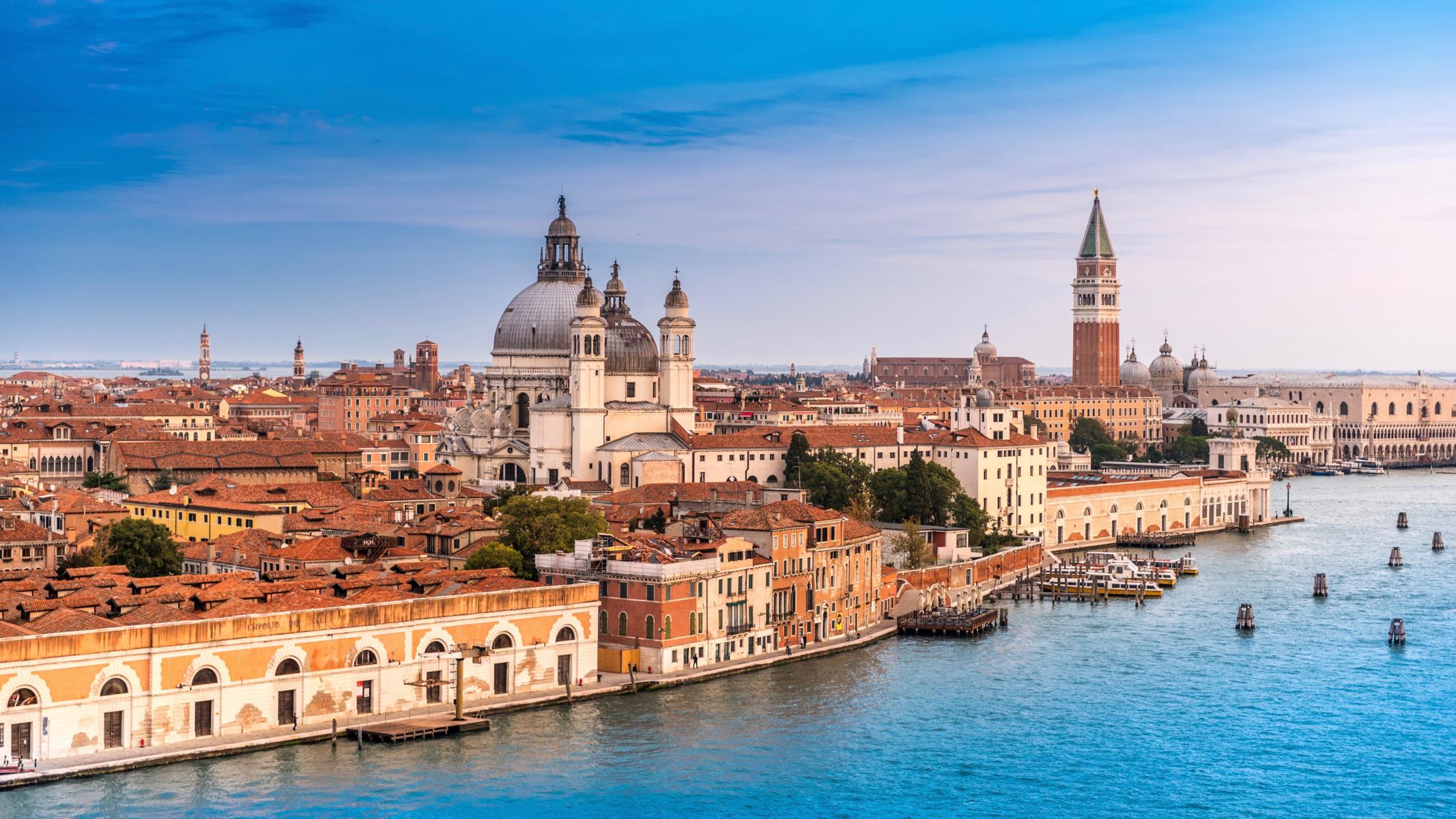
From St Mark’s Basin you can take a gondola to Santa Maria della Salute.
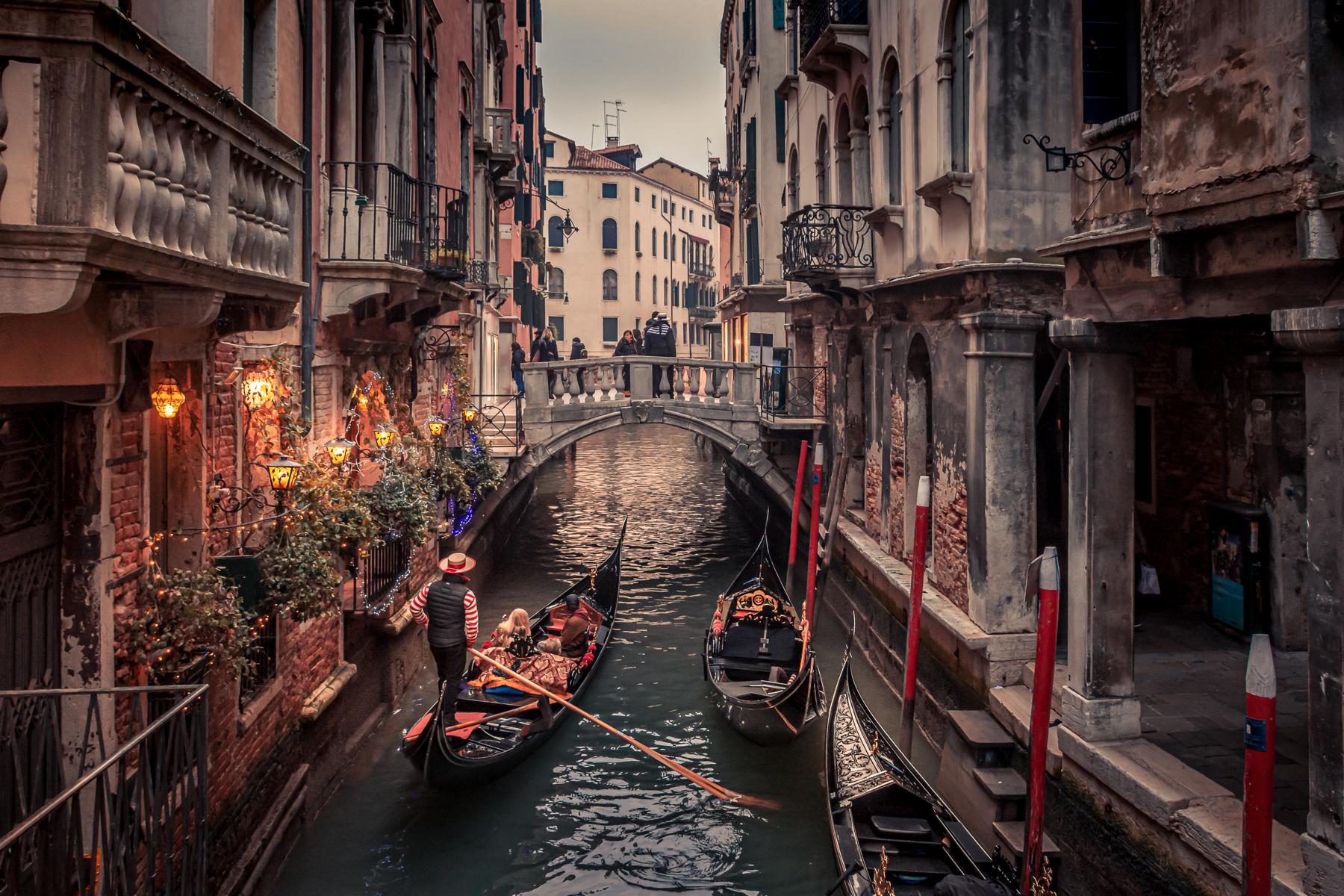
A great way to experience Venice is to cruise the famous canals in a traditional Venetian gondola. On this guided tour, you’ll explore some of the city’s most famous sights, from St Mark’s Square to the Grand Canal. You’ll also enjoy a scenic gondola ride along the canal while the knowledgeable gondolier tells you stories about the city and its culture.
The Grand Canal and the Rialto Bridge at night is a popular destination.
For those who want to actively experience the nightlife, these tours take you to some of Venice’s best bars and clubs. Not only will you get a glimpse of Venice’s vibrant nightlife, but you’ll also get to explore some of the city’s most beautiful sights in the dark and learn some of its spooky history and legends.
These tours are in English, and partly also in German
Whether you’re an art lover or just curious about Venice’s history, this tour is a must if you already know the outside of the lagoon city.
The collection includes works by some of the most important artists of the 20th century, including Pablo Picasso, Jackson Pollock, Salvador Dalí, Max Ernst and many others. It also includes an important collection of Surrealist art, which was a particular passion of Guggenheim’s.
No matter which tour you choose, exploring Venice with a local guide is the best way to truly experience the city.
Hidden gem: Visit to one of the few gondola workshops in Venice
At the Squero San Trovaso, you can see how Gondolas are actually built and repaired.
The squero of San Trovaso is located along the stream of the same name and dates back to before the 17th century.
It is one of the few squeri still in use in Venice. The building in which it is housed has the typical shape of a mountain house, which is unusual for Venice. There are two reasons for this: on the one hand, both the carpenters and the wood for the construction came from Cadore; on the other hand, the slope of the forecourt and the canopy that partially covers it were useful in case of rain and for storing tools.
It is possible to arrange guided tours inside the squero during which the characteristics of these particular boats and the techniques used to make them will be explained. The tour lasts about half an hour.
When it comes to exploring Venice, a good tour is essential to get the most out of your experience, especially if it’s your first time in the lagoon. A good guide should offer in-depth knowledge and information about the city, its history and culture, and give you the opportunity to discover hidden gems and less visited areas of Venice.
A good guide should be passionate about the city and enthusiastic about telling the stories of Venice. A good tour should also offer opportunities to sample local food, visit iconic landmarks and sights, and make recommendations on what to see and do during your stay in the city.
For those looking for a truly unique experience, a food tour in Venice is one of the best ways to experience the city like a local. A good food tour will take you around the city, from traditional trattorias to market stalls and bacari, while an experienced guide teaches you about the history and flavours of Venetian cuisine.
When it comes to finding the best city tour in Venice, do your research and read reviews before you commit. There are many wonderful walking tours in Venice and this article will help you find the best walking tour in Venice for you.
Why use a local guide in Venice?
Visiting Venice for the first time can be overwhelming. It’s a city full of canals, bridges and stunning architecture, so it helps to have an experienced local guide to show you the way.
With a local guide, you’ll get a personalised tour tailored to your needs and desires. Many guides know the city like the back of their hand and can tell you stories and anecdotes from its long history.
Local guides can give you detailed information about various sights, such as where to find the best cicchetti in Venice or which temporary art exhibition might interest you. They can also take you to places that are not in the printed guidebooks, giving you an insight into the daily life of Venetians.
With a local guide, you’re also more likely to get tickets to popular attractions, because in Italy, personal relationships still play a big role. Finally, they will give you valuable tips on where to eat and where to stay in Venice.
Fun fact about getting lost in Venice? It is said that if you get lost in Venice, you can find your way back by looking for the tallest church. This is because in Venice all the streets radiate from the churches, which can be a good guide!
Now that you know why you should use a local guide for your trip, let’s take a look at some of the best culinary tours in Venice and the best guided tours in Venice.
Do you want to discover Venice on your own?
Discovering Venice on your own can be an exciting and rewarding experience. A travel book will be a valuable resource where to look up historical and cultural information, as well as practical information and language tips.
Here you can find my personal recommendations on the best Venice travel guides:
Venice is one of the world’s most beautiful cities. No wonder tourists flock there to experience it for themselves. But what are the biggest tourist traps in Venice and how can you avoid falling into them?
Are you planning a holiday in April and don’t know where to go? Then Venice in April is the place for you! By choosing the enchanting lagoon city as your destination, you can admire one of the most impressive cities in the world, discover its hidden corners and fully enjoy its many artistic beauties!
After the end of Carnival, in April Venice becomes “quieter” again, you can visit the city at your leisure, without the risk of getting stuck in the narrow Venetian streets crowded with tourists, but above all you can fully breathe in the Venetian spring, full of scents, colours and many activities for all tastes!
Why visit Venice in April?
With the arrival of spring, April makes the city even more enchanting. It brings out colours and unique scents that tourists can immerse themselves in and get to know Venice at its best.
It is the perfect time to take a break from everyday life. In this article you will find some useful tips on how to visit Venice in April in one day.
Thanks to the fact that there are not too many tourists during this month, you can enjoy the numerous attractions without wasting precious time in the queues that usually form at the entrances to the main sights.
Venice in mid-spring
With the arrival of the long-awaited spring, the likelihood of rainfall during this period is greatly reduced and temperatures rise by about 5 degrees compared to the previous month, so the warm weather begins to give way to the picturesque colours that make the Venetian lagoon unique.
During your holiday in Venice in April, you will experience mostly sunny and warm days, so I advise you to equip yourself with comfortable shoes and a camera to visit and immortalise the colours and the thousand facets that this season brings.
Among the many places from which you can enjoy breathtaking views, I recommend: the Bell Tower of St Mark, the Fondaco dei Tedeschi, the Rialto Bridge or, even better, one of the many islands around Venice, such as Burano, Murano or Torcello, which you can easily reach by vaporetto or by buying a ticket for a tour of the islands.
The sun is not as aggressive as in the summer, but don’t forget your sunscreen. Sunburn is never pleasant and, after the usually cold winter in northern latitudes, very likely!
What is there to see and do in Venice in April?
What to see and do in Venice in April? Although one of the most classic ways to visit Venice is to wander around the calli without a specific destination, discovering the most secret corners far from the crowds, I advise you to plan an itinerary in advance and make the most of every precious minute of your April holiday in Venice.
With the arrival of spring, the range of activities in the city multiplies. Here are some of the most popular ones:
To see the main sights in one day, I recommend a long walk and a gondola ride. An experienced local guide will take you to the beautiful St Mark’s Square to discover the impressive St Mark’s Basilica. In the afternoon, take an atmospheric gondola ride over the waters of the Venetian lagoon.
This is the ideal time to visit the Venetian islands by water bus. Discover the colourful Burano and its lace, watch Murano glass being made and stroll through the ancient streets and Byzantine churches of Torcello.
To indulge in one of the most popular customs of Venice’s residents and students, opt for a bacari tour. If you don’t know what I’m talking about, read this article.
I recommend the Food & Wine tour, which takes you to some of Venice’s most characteristic osterias, each with a cicchetto and a tasting of the local wine.
Finally, in a city like Venice, a visit to the museums and historic palaces is not to be missed. They are rich in culture and bring the history of the Serenissima closer to young and old.
The best accommodations in Venice
As already mentioned, the tourist flow in Venice in April is not so big and it is very difficult to find fully booked hotels. I would still advise you to book well in advance, especially if you are planning to spend Easter or April 25th in Venice, as these days attract many tourists every year.
To make it easier for you, we have selected some of the best Venetian hotels that offer great value for money and are ideally located for exploring Venice in April:
Elegance and refinement are just two of the elements that distinguish this Bed & Breakfast: You will be satisfied because B&B Bloom is a warm and cosy place to stay. Modernity blends with classic Venetian style to create a charming décor. And don’t forget to take advantage of the terrace with a panoramic view of the Serenissima, which is B&B Bloom’s unique selling point!
Antica Locanda Sturion ***
Located on the top floor of an ancient Venetian palace, this is one of the few 3-star hotels in Venice. The interior is very charming, with typical Venetian red furniture and damask, evoking the bygone days of rich spice merchants and ambassadors from all over the world.
Among the many events that take place in April in Venice, the most important are Easter Sunday, when it falls in this month, and on April 25th in Venice. In this case it is a double celebration!
Easter – La Santa Pasqua
If Easter falls in April, remember that although it is less crowded than other holidays, it is still one of the most visited in Italy. It is therefore a good idea to book your restaurant in advance to avoid any unpleasant surprises on Easter Sunday.
Traditionally, the Easter Sunday menu in Venice in April should include a hearty seafood lunch. Therefore, there are many restaurants and osterias in the city that offer a delicious Easter menu at a fixed price on this day, ideal for organising a lunch with the whole family.
If you’re not sure which restaurant to choose, don’t hesitate to ask some Venetians, who will be happy to give you advice: not only will you be able to pay less and eat well, but you’ll also find the most characteristic places where you can enjoy the excellent dishes of the most traditional Venetian cuisine.
By the way, here are the five best fish restaurants in the lagoon city:
In the afternoon, to digest your lunch, you can take a leisurely stroll along the city’s calli or in one of the many parks: for the brave ones who still have some energy left after the exhausting Easter meal, there is also the possibility of visiting at least one of the many museums in Venice in April, which are usually open at Easter:
April 25th: Saint Mark (“bocolo”) and Liberation Day.
April 25th in Venice is a double celebration: the city celebrates not only the Day of Liberation but also the feast of St Mark the Evangelist, an ideal opportunity to soak up the festive atmosphere.
According to tradition, men are supposed to give a rose “bocolo” (rose bud) to their beloved, their daughter and their sister. This is an “unmissable gesture” on 25 April in Venice that will make you feel like a real Venetian.
To make this tradition even more romantic, I suggest you give your loved one a rosebud during a gondola ride on the Grand Canal.
On average 123 mm (4.2 inches) of rain normally falls in Venice during April with rain falling on 7 days of the month. On average it rains less frequently in March but with more precipitation (128 mm on 5 days).
The weather in this city in April is quite rough, but bearable if you wear warm clothes. The normal seasonal maximum is 18°C. The seasonal minimum is 13°C. The average temperature in Venice in April is therefore 15°C. Note that these seasonal averages are in contrast to the record highs for April in Venice, with a record high of 28°C in 2011 and a record low of 3°C in 2021. You can expect about 13 days with temperatures above 18°C.
On average, there are 13:31 hours between sunrise and sunset in Venice in April. Sunrise is at 05:26 and sunset is at 18:57. With good weather conditions, April is a great month to travel to Venice, Italy.
Insider knowledge about Venice in April
Culinary specialties in Venice
April is one of the few months of the year when you can taste moeche in the Venetian lagoon, a local term for green crabs that shed their shells during the moulting phase and become tender and soft. They are caught just as they are shedding their shells and then fried, as the original recipe says.
If you love fish, don’t miss the opportunity to try this traditional Venetian dish. Make the most of it, because it is a delicacy that can only be enjoyed during a few months of the year!
The bell tower of Saint Mark
Apart from the gastronomic aspect, there is another peculiarity about San Marco that not everyone knows: during the reign of the Serenissima, the 31st of January, commemorating the return of the relics to Venice, and the 25th of June, the date of the discovery of the place where the relics were hidden in 1094, were also dedicated to the saint.
The bell tower, which collapsed on 14 July 1902, was rebuilt in less than ten years and consecrated on April 25th, 1912, on St Mark’s day, the patron saint of Venice.
It is well known that Venetians are womanisers. Casanova’s fame precedes us a little, but we know how to be just as romantic, so today I’m going to tell you about a festival I love: St Mark’s day and the Festa del Boccolo (Bocolo) on April 25th in Venice.
April 25th in Venice is not only the feast day of the patron saint of Venice, St Mark, but also the day when young Venetian lovers give their “sweetheart” a rosebud. So much for Valentine’s Day!
St Mark’s Day in Venice
The patron saint of Venice is St Mark, whose feast day is celebrated every year on April 25th. This day is known as “Festa di San Marco” (St Mark’s Day) and is an important holiday in Venice. The day is celebrated with church services, processions and other festivities throughout the city to commemorate the date of the discovery of the site where the relics were hidden in 1094.
St Mark’s Day in Venice is one of the most important events in the city, an ancient tradition linked to the historic transfer of the remains of St Mark, the city’s patron saint of Venice, to the Serenissima, which took place on 31 January.
Saint Mark is an important figure in the history and culture of Venice, being the patron saint of Venice and the symbol of Venetian identity. The famous St Mark’s Basilica in Venice is dedicated to him and his image can be found throughout the city in various forms of art and architecture.
Festa del Bocolo
This is a tradition linked to St Mark’s Day: The Festa del Bocolo is the custom of giving a rosebud to a loved one on St Mark’s Day.
This is the patron saint’s day of Venice, celebrated in memory of St Mark the Evangelist. In our city it is customary for the men to give the women of the family a red rosebud, in dialect bòccolo: at least one rose a year!
It is said that this custom has its origins in a legend: in the nineteenth century, a blonde girl called Maria, daughter of the future Doge Angelo Partecipazio, fell in love with the very brave and handsome troubadour Tancredi. The feelings of the two young people were rejected by their father, who would not allow such a marriage.
Maria asked Tancredi to fight with Charlemagne’s army against the Arabs in Spain and to clothe himself in glory so that her father would no longer resist her love. Tancredi set off, and the fame of his glorious deeds soon spread throughout the world.
One day, however, Frankish knights led by the famous Orlando came to Venice, sought out Maria and announced the death of the brave troubadour. He had fallen bleeding on a rose bush in Roncesvalles, but before he died he picked a flower and asked Orlando to take it to his beloved.
The girl took the rose, still stained with her Tancredi’s blood, and endured her grief. The next day, the feast of St Mark, she was found dead with the bloody flower on her heart. Since then, the rosebud, symbol of love open to life and the sun, is offered to women on St Mark’s Day.
Festa della Liberazione (Liberation Day) is a public holiday in Italy celebrated every year on April 25th. It commemorates the end of the Italian Civil War and the liberation of Italy from Fascist rule during the Second World War.
On April 25th, 1945, Italian resistance fighters and Allied troops liberated the city of Milan from Nazi occupation. This event marked a turning point in the war and eventually led to the end of Fascist rule in Italy.
The holiday is celebrated throughout the country with parades, speeches and other commemorative events. It is an important day in Italian history and commemorates the sacrifices made by those who fought for freedom and democracy during the Second World War.
The “Domenica al Museo” initiative is a program that gives visitors access to museums and cultural sites for free in Venice and throughout Italy on the first Sunday of every month. The program was launched in 2014 to encourage more people to visit and appreciate Italy’s cultural heritage. Thus, you get into museums for free in Venice on the first Sunday of the month.
Under this initiative, visitors can visit a number of state museums, archaeological sites and other cultural institutions throughout Italy and in Venice for free. These include popular sites such as the Colosseum and Roman Forum in Rome, the Uffizi Gallery in Florence and the Accademia Gallery in Venice.
The program has been successful in attracting more visitors to cultural sites in Italy, both locals and tourists. It should be noted, however, that some sites still require advance reservations, especially during the peak tourist season, to control visitor numbers and ensure visitor safety and enjoyment.
Free Museums in Venice – on the first Sunday of the month many museums in Venice are free.
Admission to the free museums in Venice: “Domenica al museo”
Venice has an immense artistic heritage. There is art almost everywhere, even in the most unexpected places. That is why I can easily say that Venice, like some other Italian cities, is a huge open-air museum.
The lagoon city has an artistic and cultural heritage that spans centuries and is preserved in museums, palaces and art sites for all to enjoy.
Did you know that there are also art sites that cost nothing? In addition to the most important and famous museums in Italy, there are many interesting free museums in Venice and other Italian cities that are worth visiting this year.
In this article, I have put together a guide to free museums in Venice as part of the “Sunday at the Museum” initiative “Domenica al Museo”, so that you too can go to the museum for free in Venice on Sundays.
The Mystery and Intrigue of Venice in Literature
Reading books about Venice can enhance your experience of the city in many ways
They can help you understand the historical and cultural context better. Venice has a very exciting and rich history and culture, which can be difficult to understand without some background knowledge. Books can provide this context and help you understand the city’s art, architecture and traditions.
The lagoon city has also been the setting for many famous literary works, including Shakespeare’s The Merchant of Venice and Thomas Mann’s Death in Venice. Reading these works can deepen your connection with the city and give you new insights into its culture and history.
Which museums support the “Domenica al Museo” initiative?
The Municipal Museums participating are numerous, but the offer does not include admission to special exhibitions. So, if you want to visit a current exhibition in one of the museums in Venice for free, I suggest you first check the official website of the museum and the exhibition and, if necessary, check the website you can find in my list below.
Here is the official video of the Italian Ministry of Culture:
Free museums in Venice: calendar and dates 2023
February 5, 2023
March 5, 2023
April 2, 2023
May 7, 2023
June 4, 2023
July 2, 2023
August 6, 2023
September 3, 2023
October 1, 2023
November 5, 2023
December 3, 2023
Who is the Sundays in the Museum initiative in Venice for?
The “Sundays in the Museum” initiative provides free entry to all State museums and archaeological sites for all citizens on the first Sunday of every month.
In addition, the initiative provides admission to all municipal museums for free in Venice that are part of the “Sistema Musei in Comune”. Previously this was only available to residents of the city, but now tourists can also benefit from free entry to the city’s museums.
Now that everything is clear, here are my personal tips on how to spend a special Sunday full of culture and discover wonderful places without spending a single euro.
A final note on the list of free museums in Venice
Before I start with the list of free museums in Venice on Sundays, I’d like to make a quick recommendation:
Since the “Sundays at the Museum” initiative has been very successful, it is very likely that the museums will be besieged by locals and tourists and you may have to wait in line for a long time before you can get in.
I would therefore advise you to start with one of the large and well-known museums and then, if you have time, visit a smaller and lesser-known museum so that you don’t have to wait in line again.
Comfortable shoes, as is often the case, play a crucial role in getting you through the day.
By the way, you can find my personal packing list for Venice here:
Free Museums in Venice – on the first Sunday of the month many museums in Venice are free.
The museums in Venice you can visit for free
Don’t miss the chance to see the most beautiful city in the world and visit the most important museums in Venice for free. If you read on, I’ll show you all the museums participating in the “Free Sundays at the Museum” initiative in Venice, so you won’t be caught off guard!
Free museums in Venice
Below is a list of all the museums in Venice participating in the “Domenica al Museo” promotion. The last admission is usually one hour before closing time.
Gallerie dell’Accademia di Venezia
The Gallerie dell’Accademia di Venezia is an art museum in the Dorsoduro district of Venice, Italy. It is located on the south bank of the Grand Canal, near the Ponte dell’Accademia. The museum houses an impressive collection of pre-19th century Venetian art, including works by Bellini, Carpaccio, Tintoretto, Veronese and Titian.
This volume Treasures of Venetian Painting – the Gallerie Dell’Accademia* provides an encounter with important works from the Galleria dell’Accademia in Venice. These are masterpieces from five centuries by artists such as the Bellinis, Carpaccio, Giorgione, Titian, Tintoretto, Veronese, father and son Tiepolo and the veduta painters Canaletto and Guardi.
The museum is housed in the Scuola Grande della Carità, a former charitable institution that was converted into an art gallery in the early 19th century. The building was converted into an art gallery in the early 19th century. The building itself is an impressive example of Venetian Baroque architecture, with grand staircases and high ceilings.
This is one of the most important museums, so it is usually quite crowded.
Biblioteca nazionale Marciana – Sale monumentali e Ridotti dei Procuratori
The Biblioteca Nazionale Marciana (National Library of St Mark’s Basilica) is a historic library located in Piazzetta San Marco, next to the Doge’s Palace and St Mark’s Basilica. The library was founded at the end of the 16th century and contains over a million volumes, including rare manuscripts, incunabula and early prints.
The Sale Monumentali e Ridotti dei Procuratori is one of the most impressive areas of the library. It is a sumptuous room decorated with elaborate paintings and frescoes on the walls and ceilings. Originally used for political meetings of the Republic of Venice, it is now used as an exhibition space for the rare and valuable collections of the Library.
The Museo d’Arte Orientale Venezia, also known as the Museum of Oriental Art, is a museum located in the Santa Croce district of Venice, Italy. It is housed in the Palazzo Pesaro Papafava, a 17th century palace that has been restored to house the museum’s collection.
The museum has a large collection of Asian art with over 30,000 objects from China, Japan, India and other parts of Asia. The collection includes paintings, sculpture, ceramics, textiles and other decorative arts. Many of the objects were acquired by Italian merchants and travellers in the 18th and 19th centuries.
The Museo di Palazzo Grimani is a museum located in the Santa Maria Formosa district of Venice, Italy. The museum is housed in Palazzo Grimani, a Renaissance palace that once belonged to one of Venice’s most influential families. The museum houses a collection of artworks and antiques that once belonged to the Grimani family, as well as works from other private collections.
Palazzo Grimani itself is an architectural masterpiece with an impressive façade and a unique layout designed to showcase the family’s wealth and power. The museum’s collection includes many of the palace’s original furnishings and decorations, as well as a number of important works of art from various periods of Venetian history.
The Galleria Franchetti alla Ca’ d’Oro is an art museum located in the Ca’ d’Oro Palace on the Grand Canal in Venice, Italy. The museum displays a wide range of Gothic, Renaissance and Baroque art, including works by famous artists such as Titian, Bellini and Tintoretto.
The palace itself is a fine example of Venetian Gothic and was built in the 15th century for the Contarini family. It was later acquired by the Grimani family before being sold to Baron Giorgio Franchetti, who finally donated it to the Italian State in 1916.
Warning: The English version of the website is incomplete and apparently not maintained.
The Museo Archeologico Nazionale (National Archaeological Museum) in Venice is dedicated to the history and archaeology of the Veneto region. The museum is housed in the beautiful Renaissance Palazzo Loredan Vendramin Calergi, overlooking the Grand Canal in the Cannaregio district.
The museum’s collections are divided into several sections, including prehistoric and early historic archaeology, ancient Greek and Roman art, and Byzantine and medieval art and archaeology. The museum’s most famous exhibit is the Winged Lion of St Mark, the symbol of the Republic of Venice.
If you are looking for other interesting activities in Venice, here you can find the best tours in the lagune city:
Free museums in the county of Venice (mainland)
Concordia Sagittaria, archaeological area beneath the Cathedral
Concordia Sagittaria is an archaeological site located about 50 kilometres north-east of Venice. It is located below the present day Cathedral of Santa Maria Assunta in the town of Concordia Sagittaria.
The site was originally an ancient Roman town founded in the 1st century AD and was an important centre for trade and commerce. Over the centuries it was conquered by various invading powers, including the Lombards and the Franks, before being conquered by the Venetians in the 16th century.
The archaeological site contains the remains of ancient Roman buildings such as a theatre, an amphitheatre, a forum and a basilica. Visitors can also see the remains of medieval buildings, including a baptistery, a crypt and the foundations of the cathedral.
Museo archeologico nazionale Concordiese di Portogruaro
The Museo Archeologico Nazionale Concordiese di Portogruaro is a national archaeological museum located in the town of Portogruaro, 60km north-east of Venice. The museum is dedicated to the archaeology and history of the ancient Venetian city of Concordia Sagittaria, which was an important trading centre in Roman times and is located just a few kilometres from Portogruaro.
The museum’s collection includes a variety of archaeological artefacts from the ancient city, including mosaics, sculptures, ceramics and other objects related to daily life in ancient Concordia. One of the highlights of the museum is a large Roman mosaic from the 4th century AD, discovered in the nearby town of Pramaggiore.
The Museo Archeologico di Quarto d’Altino is an archaeological museum located in the town of Quarto d’Altino, about 20 km north of Venice. The museum displays artefacts and exhibits related to the ancient Roman city of Altinum, which was located in the area and was an important trading centre.
The museum’s collection includes a variety of objects, including pottery, coins, jewellery and architectural fragments, as well as information about the history and daily life of the city. Among the most notable items in the collection are a statue of the goddess Venus, a large mosaic floor and a collection of ancient Roman glass.
The Museo Nazionale di Archeologia del Mare di Caorle is a national museum located in the town of Caorle, 55 km east of Venice. The museum is dedicated to the archaeology of the sea, focusing on the history of maritime activities and trade in the Adriatic.
The museum’s collection includes a wide range of archaeological artefacts, including ancient shipwrecks, tools and equipment used by sailors and fishermen, and objects related to trade in the Adriatic.
One of the highlights of the museum are several well-preserved Roman ships discovered in the waters off the coast of Caorle. These ships date back to the 1st century BC and were probably used for trade and transport in the Adriatic.
The Museo Nazionale di Villa Pisani is a national museum located in the town of Stra, 30 km west of Venice. The museum is housed in the magnificent Villa Pisani, a historic palace built in the 18th century for the noble Pisani family.
The museum’s collection includes a range of paintings, sculptures and other works of art from the 18th and 19th centuries, including works by famous Italian artists such as Giambattista Tiepolo and Francesco Guardi.
In addition to the art collection, the museum also offers the opportunity to explore the villa’s magnificent gardens, with their manicured lawns, fountains and other decorative features. The gardens are laid out in the classical Italian style, with symmetrical paths and flower beds arranged around a central axis.
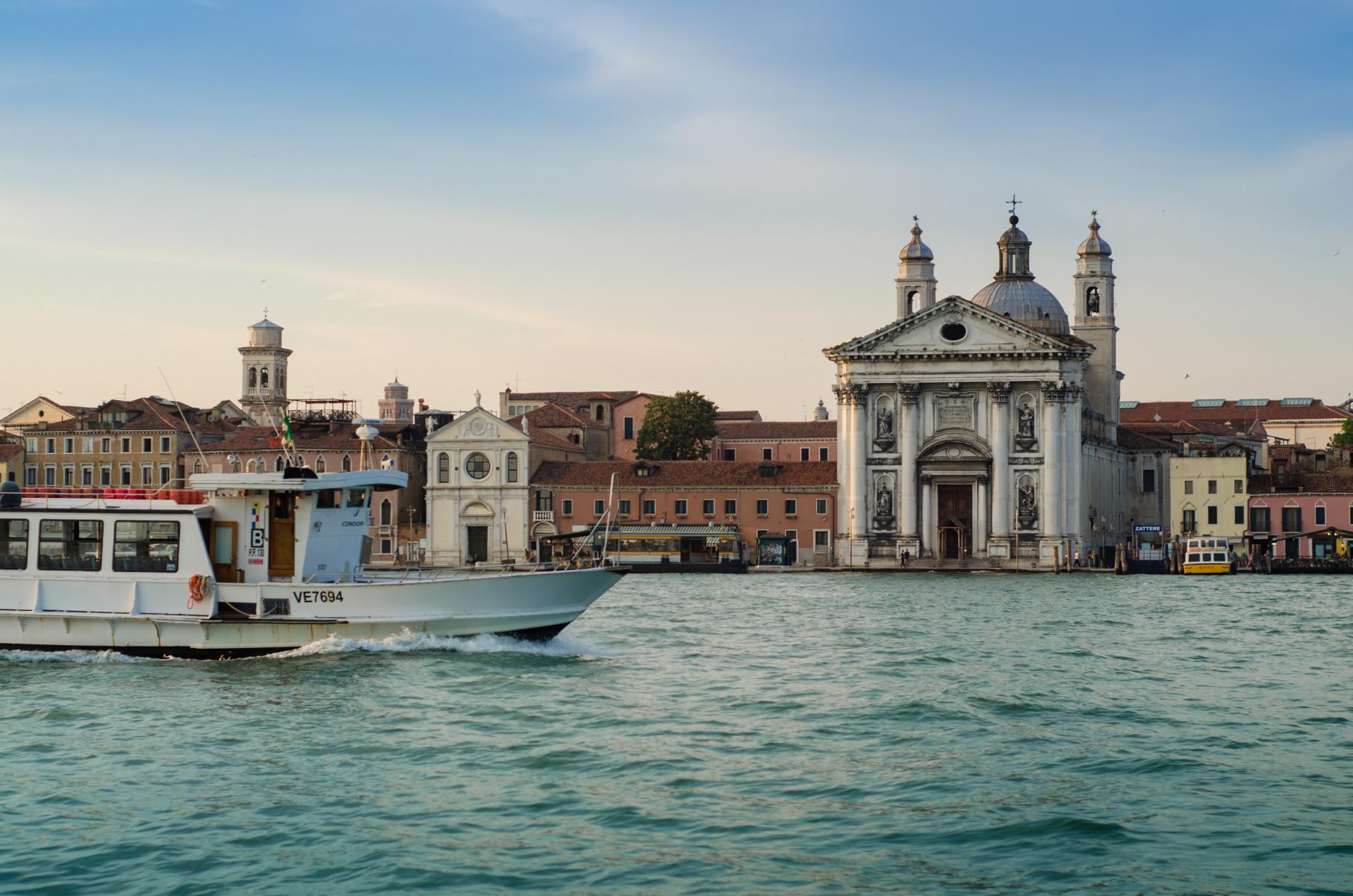




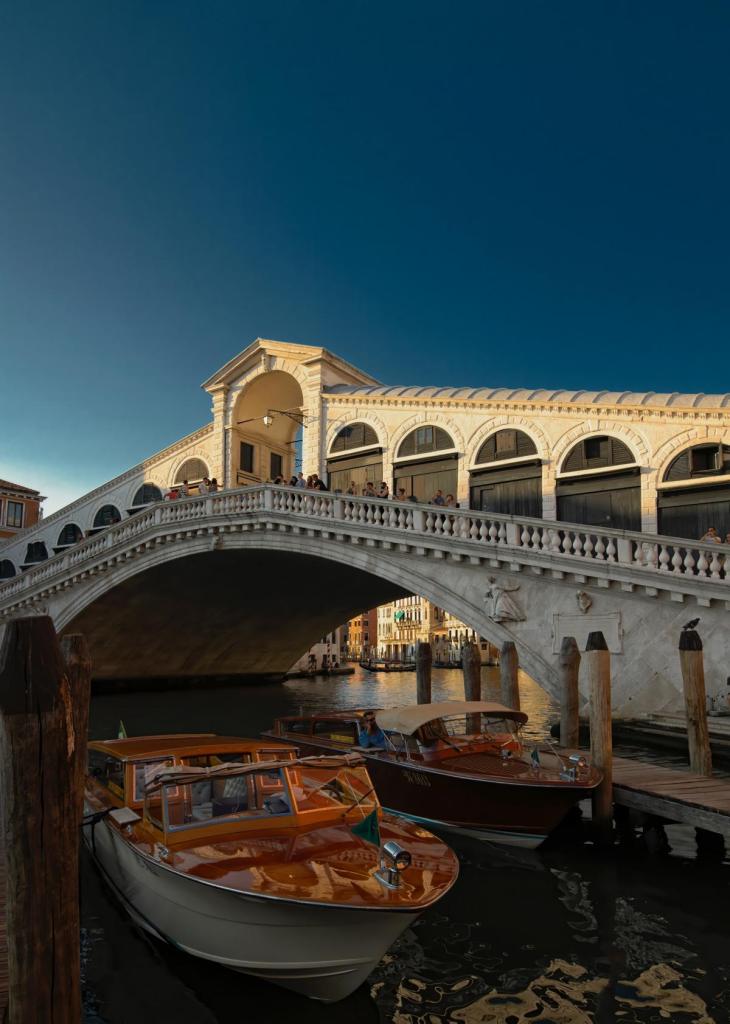


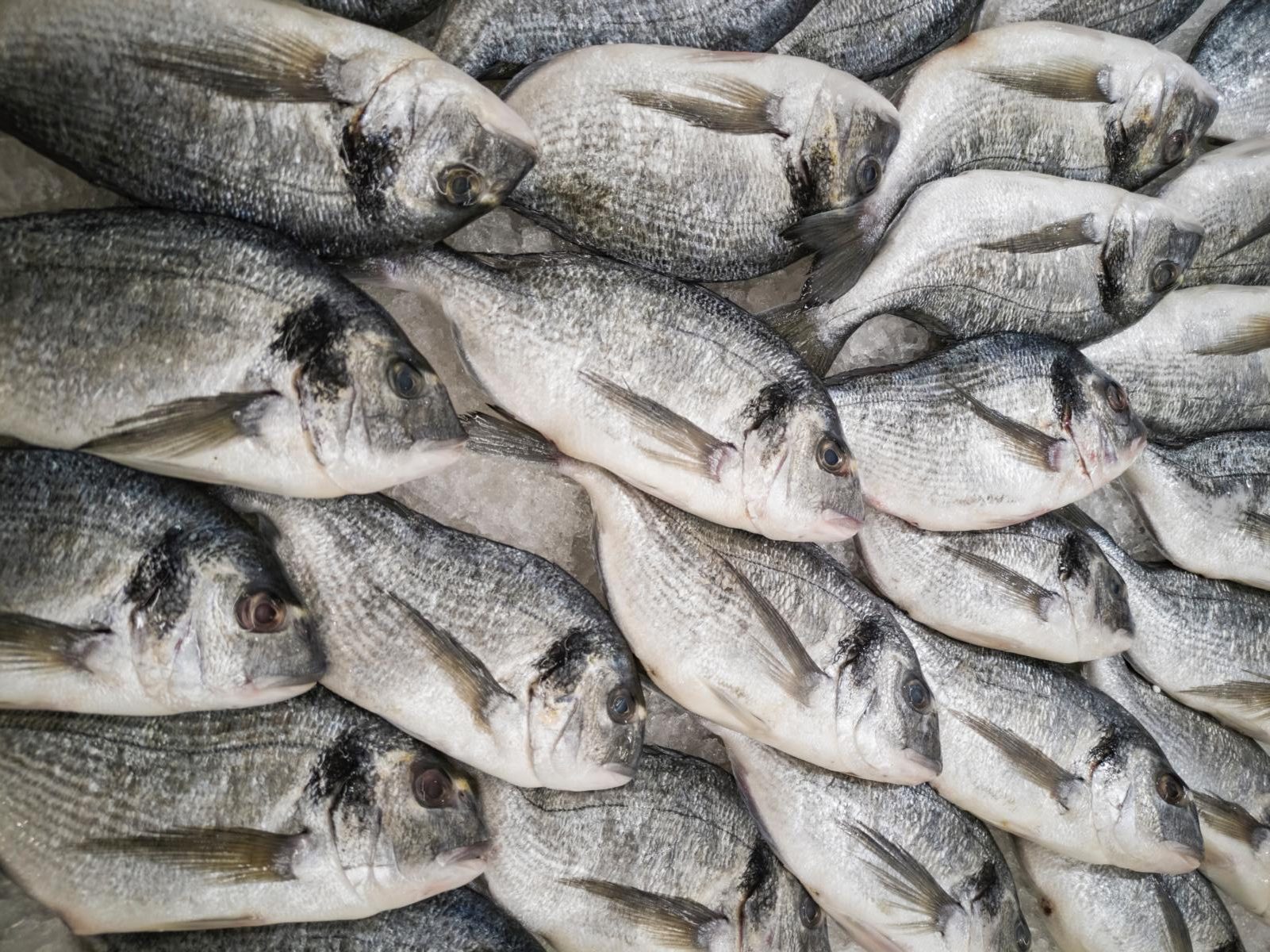


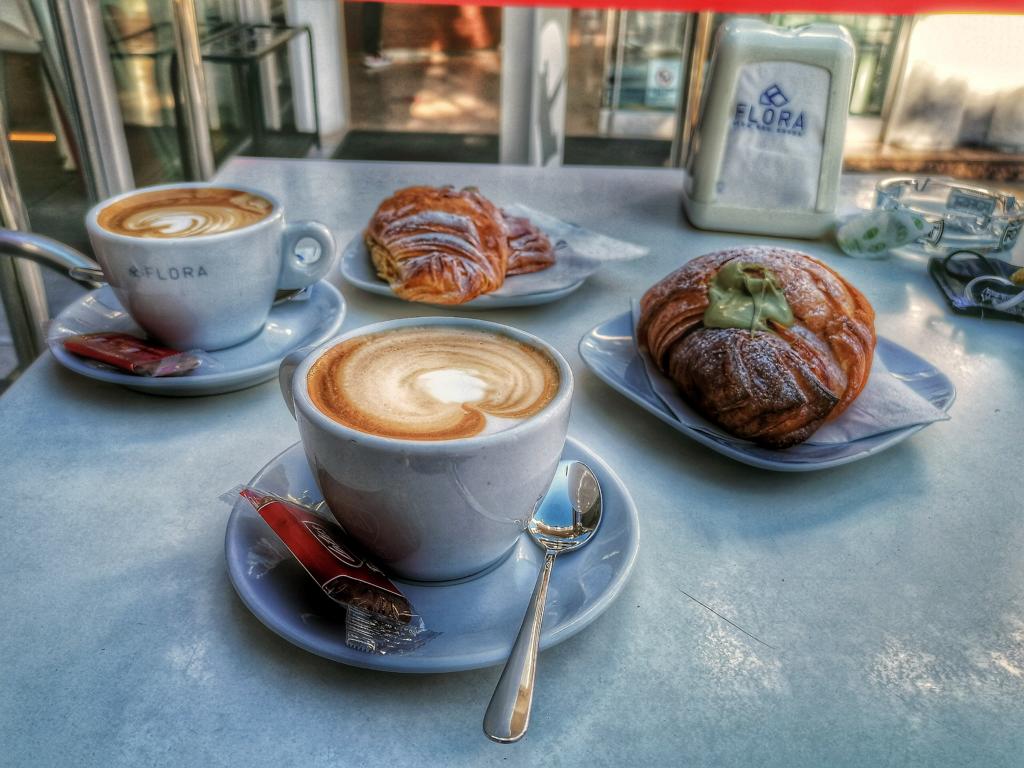


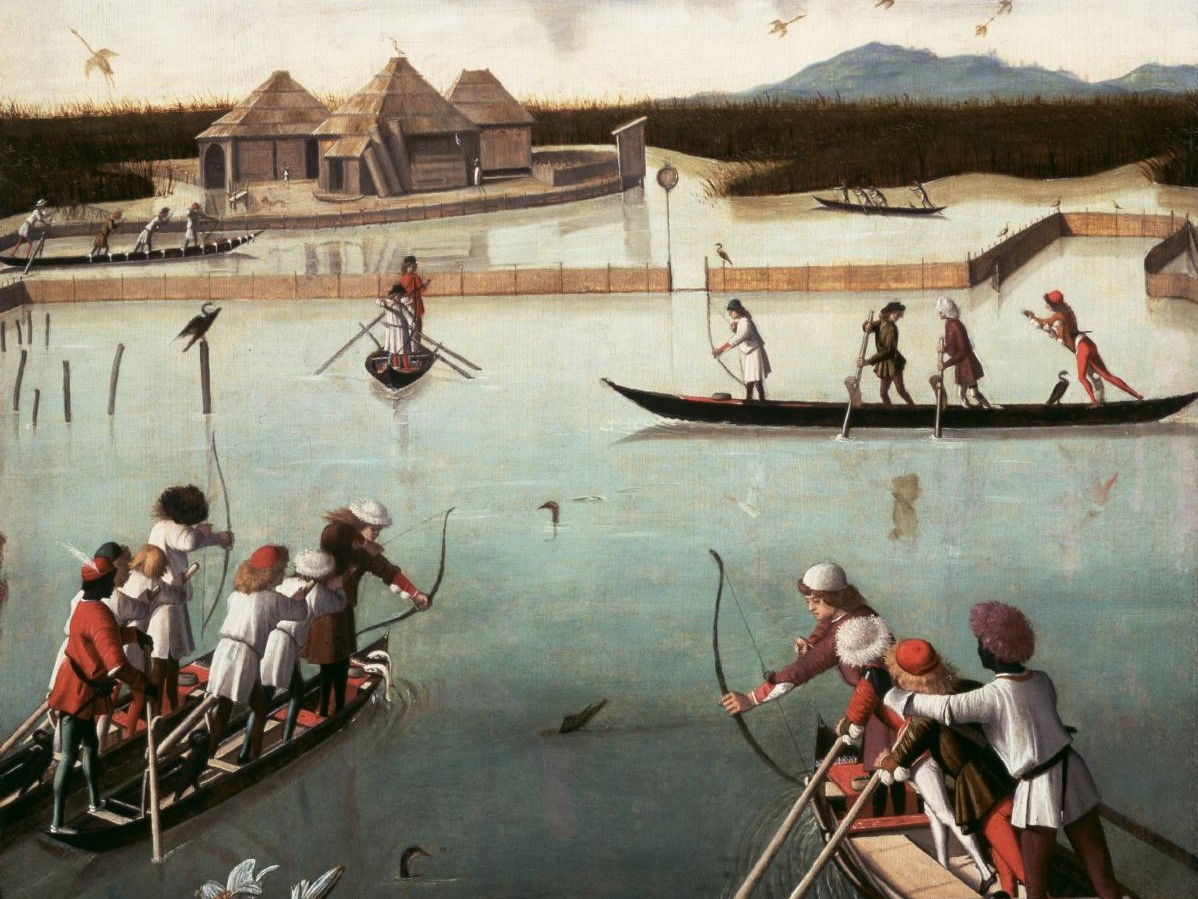
,_La_Cena_in_Emmaus,_279699.jpg)