In April, Nu Fest 2023 in Venice celebrates their memory and spirit with two events, on April 6th at the Fondaco dei Tedeschi and on April 29th at the Teatrino di Palazzo Grassi, with the projects Solaris (Giorgio Li Calzi-Manuel Zigante) and Impro Brain Sound Pod (Paolo Dellapiana-Valeria Sturba).
What is the Nu Fest 2023 in Venice?
Nu Fest is Veneto Jazz’s signature festival of electronic and contemporary music, founded in 2007 by Marcello Mormile, the festival’s artistic director.
His knowledge of experimental music and his innate intuitive sensitivity to the discovery of new musical trends in this field met the history and structure of Veneto Jazz, giving birth to unprecedented projects such as Nørdic Frames, a festival dedicated to Nordic production, and unforgettable events.
The events of Nu Fest 2023 in Venice
April 6th: Solaris at Fondaco dei Tedeschi
In Solaris, at the Fondaco dei Tedeschi on April 6, two different musical paths converge on an original common ground, inspired by Tarkovsky’s film of the same name.
The project, born in 1986 from the encounter between Zigante’s cello and the electroacoustic sounds of Li Calzi’s trumpet, traverses electroacoustic improvisation, electronics and contemporary rewriting of Bach and Artemyev’s classicism.
Tickets
Free admission by reservation only, by writing to fondaco.culture@dfs.com. Entrance 15 minutes before the start time of the event.
Manuel Zigante, a cello graduate of the Santa Cecilia Conservatory in Rome, is the founder of the Turin String Quartet under the direction of Piero Farulli (Quartetto Italiano) and the composer Gyorgy Kurtág, with whom he has performed extensively.
Giorgio Li Calzi, composer, trumpeter and music producer, is a cultural promoter and director of performance productions. He has produced jingles for many Italian brands like FIAT or Birra Moretti, he has composed music for theater and dance, played with musicians such as Wolfgang Flür (Kraftwerk), Lenine, Jon Balke, Marconi Union, and recorded during the 2020 lockdown with Arto Lindsay, Thomas Feiner, Frank Bretschneider, Stefan Németh, and the poet Chandra Livia Candiani.
April 29th: Impro Brain Sound Pod at Palazzo Grassi
Architect and electronic musician, Paolo Dellapiana is a transversal figure of the international experimental scene, former member of the Turin cult band Larsen since 1996.
As part of Nu Fest, he signs this new project with the multi-instrumentalist and singer Valeria Sturba, who crosses electroacoustic instruments with complex modular systems elaborated ad hoc, in a continuous search for avant-garde sound layering.
Both with Larsen and on his own, Paolo Dellapiana has presented his music with extensive tours and concerts throughout Europe and the United States. He has shared the stage with legends such as Einsturzende Neubauten, Swans, Neurosis, Breach, Crash Worship, Ulan Bator, Michael Gira, My Cat Is An Alien, Allun, Ronin, The Living Jarboe, Backworld, Xiu Xiu, Thalia Zedek, Dresden Dolls, Amber Asylum, Current 93, Johann Johann Johannsson, Baby Dee, Fovea Hex, Piano Magic, The Dead Texan.
Valeria Sturba is a multi-instrumentalist, singer and composer. A violinist by training, she plays theremin, keyboards, synthesizers, electronic effects, loopers and sound toys, crossing electroacoustic instruments with complex ad hoc modular systems in a constant search for avant-garde sound layering.
She has participated in many national and international festivals such as Umbria Jazz, Electromagnetica (Chile), B-Classic (Belgium), Dong! (Denmark), Tectonics (Scotland), Dancity, RoBOt. He has collaborated with many artists such as Tristan Honsinger, Ernst Reijseger, Enrico Gabrielli and Calibro35, Stefano Bollani, John De Leo, Cristina Donà, Stefano Benni, Hamid Drake, Lino Guanciale, Anna Maria Hefele, Giancarlo Schiaffini.
Ah, the Festa della Sensa in Venice! It’s one of the most anticipated events of the year. It celebrates the union between the Serenissima Republic of Venice and the sea.
If you’re in love with Venice, you simply cannot miss the Festa della Sensa! It is an event that perfectly embodies the city’s fascinating history and culture. The festivities are so unique and enchanting that it’s hard not to fall in love with the city all over again.
Imagine standing on the shores of the Venetian lagoon and watching a procession of beautifully decorated boats glide past you, accompanied by the sound of gondoliers singing traditional songs. It’s a sight that will take your breath away!
And that’s not all – the Festa della Sensa is also the perfect opportunity to immerse yourself in Venetian history. You’ll witness the traditional ceremony of the Venetian Marriage to the Sea, when the Doge throws a ring into the water to symbolise the marriage between Venice and the sea. It’s a moment that truly highlights the city’s maritime traditions and the importance of the sea in Venetian culture.
The Festa della Sensa in Venice nowadays
The festival consists of two parts: a religious ceremony and a water procession.
The religious ceremony takes place in St Mark’s Basilica, where the Mayor of venice offers a golden ring to the sea as a symbol of Venice’s sovereignty over the Adriatic Sea. The ring is blessed by the catholic Patriarch. He then throws it into the water as a sign of the Venetian marriage to the sea.
The water procession, the highlight of the festival, is a parade of traditional boats, including gondolas, sandoli and pupparini, that sail from St Mark’s Basin to the island of San Nicolò di Lido. The procession is led by the Bucintoro, the Doge’s ceremonial boat, used in the past also for the Doge’s coronation.
But that’s not all. After the water parade, you can enjoy a day-long fair on the Lido. This festival is famous for its delicious seafood dishes, including the traditional “sarde in saor“, marinated sardines with onions, raisins and pine nuts. There are also many other local local dishes to try, along with plenty of wine and prosecco from the Veneto wine region.
As already mentioned, the tourist flow in Venice in April is not so big and it is very difficult to find fully booked hotels. I would still advise you to book well in advance, especially if you are planning to spend Easter or April 25th in Venice, as these days attract many tourists every year.
To make it easier for you, we have selected some of the best Venetian hotels that offer great value for money and are ideally located for exploring Venice in April:
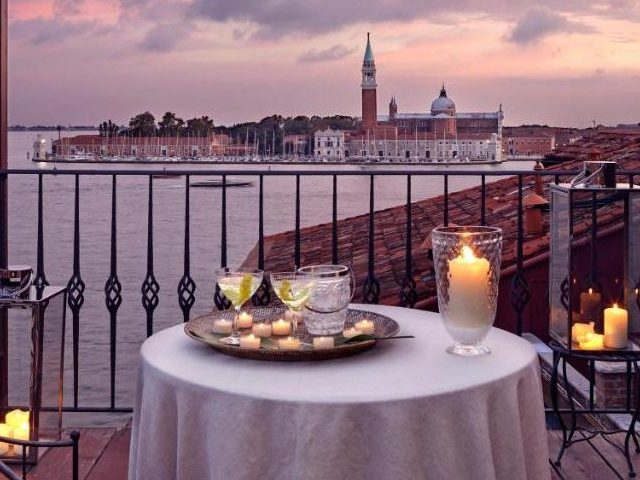
Elegance and refinement are just two of the elements that distinguish this Bed & Breakfast: You will be satisfied because B&B Bloom is a warm and cosy place to stay. Modernity blends with classic Venetian style to create a charming décor. And don’t forget to take advantage of the terrace with a panoramic view of the Serenissima, which is B&B Bloom’s unique selling point!
Antica Locanda Sturion ***
Located on the top floor of an ancient Venetian palace, this is one of the few 3-star hotels in Venice. The interior is very charming, with typical Venetian red furniture and damask, evoking the bygone days of rich spice merchants and ambassadors from all over the world.
The Festa della Sensa, which means “Feast of the Ascension”, is an ancient Venetian festival that celebrates the maritime power of Venice and the city’s bond with the sea. The festival is held on the Sunday after the Ascension, forty days after Easter, and has been celebrated for over a thousand years.
The Festa della Sensa has its roots in the legend that, in the year 1000, the Doge of Venice, Pietro II Orseolo, sailed to Dalmatia to help the people of Zara in their fight against the Slavs. When the Venetian fleet reached the waters off Zara, a violent storm threatened to sink the ships and the Doge prayed to the heavens for deliverance. All of a sudden, a mysterious figure appeared, calmed the storm and led the fleet to victory.
The mysterious figure was identified as the personification of the Sensa, a symbolic representation of the marriage between Venice and the sea. From that day on, the Festa della Sensa became an annual event to celebrate the power and glory of Venice and to renew the vow of its maritime supremacy.
Established in the 14th century, the Festa della Sensa in Venice arose from the fact that in late spring the lagoon city was crowded with pilgrims heading to the Holy Land who usually stayed in the city until the feast of Corpus Christi, and with numerous faithful who went to St Mark’s basilica to obtain the indulgence granted by Pope Alexander III.
The Festa della Sensa in Venice was set up in St. Mark’s Square eight days before Ascension Day and continued for the following fifteen days and was regularly visited by the doge and his foreign guests.
The vendors were arranged in an elliptical wooden structure that occupied the entire St. mark’s square. While the outer ring sold the most common goods, the inner ring displayed objects of great economic value and artistic value. The Festa della Sensa continued into the evening hours and attracted a large number of tourists and traders.
The ancient celebration of the Festa della Sensa in Venice
The Festa della Sensa on Ascension Day
On the eve of Ascension Day, the Bucintoro left the Arsenale shipyard and was taken to the city, where it was displayed on the Riva degli Schiavoni, decorated for the occasion.
In addition to the Bucintoro, all the other boats, including military and merchant vessels, that were to take part in the parade were prepared and taken to the arm of the sea that separates Venice from the Lido.
The buildings were decorated and in the evening all the church bells in Venice rang out simultaneously to announce the beginning of the religious ceremony celebrated in St Mark’s Basilica.
The second day of the Festa della Sensa in Venice
The next morning, the bells announced the departure of the Doge and his court from the Doge’s Palace.
He was followed by a court composed of the Serenissima Signoria, the Cancelliere Grande, the major magistrates, the Apostolic Nuncio and foreign ambassadors.
The Doge and his court then went ashore to board the Bucintoro, which, after a cannon shot in front of St. Mark’s Square – and a concert of cannon blasts from the naval ships-, sailed into the basin of St Mark’s towards the Lido.
Along with the Bucintoro, the waters of the basin were sailed by the Peatoni, three golden boats that always followed the Bucintoro on its voyages.
There were also the golden gondolas of the Papal Nuncio, of the other ambassadors and of the Patriarch of Venice.
In addition to the representative ships, there were six large galleys, decorated with silk cloth and flags, on which a band played and a small army of Dalmatian soldiers dressed for parades.
There were twelve other ships, including brigantines, galleys, sciabecques and feluccas, also richly decorated and equipped with bands and Dalmatian soldiers.
There were also the peote representing the different communities of the Dogado, each with its own identifying banner, and numerous gondolas and private boats of various types that followed the procession.
When it reached the Lido, the Bucintoro stopped and while the cannons of the galleys continued to fire blank shots, the rite of the marriage between Venice and the sea took place. From the Bucintoro, the Doge, flanked by the Patriarch of Venice, poured into the sea an ampoule of holy water and a ring blessed by the Patriarch, pronouncing the words:
“Desponsamus te, mare nostrum, in signum ven perpetuique dominii”.
“We marry you, our sea, as a sign of our everlasting dominion”.
After the Marriage between Venice and the Sea, the Doge disembarked at the Lido of Venice and proceeded to the Church of San Nicolò, where, welcomed by the crowd and the Benedictine monks, he attended the Pontifical Mass.
While the Doge and his court attended mass, the gondoliers enjoyed speed races on the Giudecca Canal and grand lunches were held in the gardens of the surrounding islands. Like the carnival during the Sensa festival, masks and lavish costumes were allowed.
What is the Bucintoro and why was it used for the Venetian marriage to the sea?
The Bucintoro is a ceremonial boat used by the Doge of Venice for the annual Venetian Marriage to the Sea ceremony, also known as the Sensa ceremony. It was a symbol of the wealth and power of the Venetian Republic and played an important role in the city’s maritime history.
The first Bucintoro was built in the 14th century, and over time it was rebuilt and expanded with luxurious decorations and furnishings. The ceremony took place on Ascension Day, when the Doge and other dignitaries would board the Bucintoro and sail out to the Adriatic Sea to perform the ritual of “marrying” the sea by throwing a gold ring into the water.
The original Bucintoro was destroyed in 1798 by Napoleon’s troops, and today only fragments of it remain, including a few ornate decorations housed in museums. However, the tradition of the Venetian Marriage to the Sea ceremony continues to be celebrated in Venice every year, albeit without the original Bucintoro.
Summary
The Festa della Sensa in Venice is a unique celebration that combines history, tradition and cuisine in a magical atmosphere that only Venice can offer. It’s a great way to experience the city’s maritime roots and celebrate its enduring bond with the sea.
The Festa della Sensa in Venice is not only a historical event, it’s also an opportunity to enjoy the company of locals and tourists alike while tasting delicious Venetian food and wine. You can even take part in a rowing competition or simply enjoy a leisurely gondola ride along the canals.
In short, the Festa della Sensa is a must for anyone who loves Venice. It’s a unique experience that allows you to immerse yourself in the city’s rich history and culture, while enjoying the beauty and charm of Venice in all its glory. So come and celebrate this wonderful event with us and fall in love with Venice all over again!
So if you happen to be in town during this time, be sure to join in the festivities and experience the joy and excitement of the Festa della Sensa in Venice.
The Veneto wine region is the largest in Italy in terms of wine styles; in fact, Veneto is one of the country’s leading producers of quality wine. It could not be otherwise, considering that it covers an area of more than 75,000 hectares of vineyards, spread over plains, hills and mountains. It is no coincidence that the people of Veneto are also great connoisseurs and consumers of good wine!
It is not by chance that wine has been called the nectar of the gods, the intoxicating drink par excellence, a symbol of celebration that unites families and peoples. The gastronomy of Veneto in general, and that of Venice in particular, cannot be separated from this essential element. From prosecco to ombra, there is a wine for every occasion, and the people of Veneto know how to enjoy a good glass of wine and prosecco in Venice!
Wine and Prosecco in Venice: From the Plant to the Glass, Italy’s Most Celebrated Wines
Stocked wine and prosecco in Venice
Let us make a brief but exhaustive review of the wine products that Veneto offers its inhabitants and the millions of tourists visiting the Veneto wine region, and especially Venice, each year.
It’s worth mentioning that Veneto’s boom in this field began in the 1990s. It was thanks to the work of winemakers who understood the needs of the market. Their wines have won international acclaim, and their wine and prosecco in Venice are enjoyed by locals and tourists.
25% of the Veneto wine region’s wine is produced and marketed under the DOC and DOCG certificates.
DOC and DOCG are certificates that indicate the quality and origin of wines in Italy.
DOC stands for “Denominazione di Origine Controllata”, which means “controlled designation of origin” in English. This certificate guarantees that the wine was produced in a specific geographic area using traditional methods and grapes typical of that region.
DOCG stands for “Denominazione di Origine Controllata e Garantita”, which means “controlled and guaranteed designation of origin” in English. This certificate is more prestigious than DOC and requires even stricter quality standards. It guarantees the wine’s origin and quality, and it is subject to rigorous testing and tasting before it can be bottled and sold.
The climate in the Veneto wine regions changes considerably from one area to another, it is considered continental in the plains with cold winters and hot summers, although with milder weather around the lake and in the hills. There is thick fog and there is heavy rainfall. Traditional Veneto varieties are the Corvina, Rondinella, Molinara and Raboso grapes.
A very important variety is the Garganega grape, a white variety used for Soave wine and as a blend for Gamberalla wine. We also find Trebbiano, Tocai, Cortese or Malvasía Toscana grapes.
In addition, renowned imported strains such as Merlot, Chardonnay, Cabernet Sauvignon, Pinot Noir, Cabernet Franc or Riesling are grown. The Glera grape, known as Prosecco, is also common in the viticultural areas of northeastern Veneto.
A Delicious Wine and Prosecco Tasting Tour of Bacaris in Venice
You can enjoy a glass of wine from the Veneto wine region at one of the restaurants at St. Mark’s square in Venice.
Bacari are traditional Venetian small bars and taverns that serve small snacks called cicchetti and local wine. They are cozy and lively places where locals and tourists alike gather to socialize and enjoy a good time, commonly standing at the bar or outside on the street while sipping a glass of wine and prosecco in Venice and sampling the delicious cicchetti.
If you’re a wine enthusiast, a wine and prosecco tasting tour in Venice can be a delightful and educational experience. Not only will you get to sample some of the best wines produced in the Veneto wine region, but you’ll also learn about the history and culture behind the wine-making process.
A wine and prosecco tasting tour in Venice allows you to discover different local grape varieties and wineries that you might not have known about otherwise. It’s also an opportunity to meet local wine producers and learn about their techniques, traditions, and unique approaches to wine-making.
Cantina Do Spade
Cantina Do Spade is one of the oldest wine bars in Venice, dating back to the 15th century. It is located near the Rialto Bridge in a charming and historic area of Venice, making it easily accessible for tourists.
It is one of the best places to start your wine and prosecco tasting tour, trying many wines originary from the Veneto wine region. At is at Cantina Do Spade, you can try the classic Venetian dish of sarde in soar, or sweet and sour sardines. Pair it with a glass of wine, i.e. local white wine such as Soave or Pinot Grigio.
Next, head to the bustling Rialto market and stop at Bancogiro, which is known for its selection of fresh seafood, coming directly for the Rialto market nearby.
The Osteria Bancogiro is a charming and cozy restaurant located in a historic building right on the Grand Canal, providing a stunning view of the Rialto Bridge. The wine list is extensive, featuring a wide selection of Italian and international wines, including several varieties of prosecco.
Try the seppie al nero, a dish of squid cooked in its own ink, and pair it with a glass of wine, i.e. red Bardolino or Valpolicella from the Veneto wine region.
If you want to taste ones of the best cicchetti of Venice and have a glass of wine from the Veneto wine region, make your way to Cantine del Vino già Schiavi, a tiny bacaro located near one of the city’s iconic gondola repair shops.
They have a wide range of wines, from red and white to sparkling wines like prosecco, from the Veneto wine region and also from all over the world. They also offer wine tastings and aperitivo with a variety of small bites and traditional Venetian cicchetti, making it a popular spot for locals and tourists alike.
From Vineyard to Tavern: Tracing the History of Venetian Wine and Prosecco Culture
Wine and prosecco tasting tours are quite popular in Venice.
When the subject is wine, it is a must to talk about wine cellars (in Venetian bacari). In fact, in the bosom of the Serenissima Venezia, many wineries were born.
Although historians do not all agree on this version, it is believed that the term for the Venice’s classic goblet of wine, the ombra di vino – in English “shadow of wine“, takes its name from the custom of wine growers to sell wine in the shadow of St. Mark’s bell tower, on itinerant stalls that they would move, following the shadow to keep the drink fresh.
The vendors were called bacari (a relatively recent term, dating back to the late 19th century, from which osterias were later named), which is thought to derive from an ancient Venetian dialect expression, far bàcara, that is, to celebrate in the name of Bacchus.
Thus were born these prestigious meeting places that, with the passing of time, have undergone changes that have inevitably cast aside the ancient charm of simplicity and authenticity of a place where nobles and gondoliers met to play cards, have a glass of wine from the Veneto wine region and perhaps challenge each other.
The ombra di vino – the wine shadow
Drinking an ombra di vino in Venice is a social ritual, a declaration of friendship and solidarity renewed from day to day and hour to hour. It is one of the most iconic behaviour of the locals living in Venice. But what is the story behind this ante litteram aperitif?
It seems to be a difficult task to establish with certainty the origin of the term, and there is no shortage of more or less fanciful hypotheses. The best one is that the term “ombra” comes from the fact that in the days of the Republic of Venice, wine was kept in the shade to keep it cool and prevent it from going bad. In fact, legend has it that between the fourteenth and fifteenth centuries, wine merchants in St. Mark’s Square followed the shadow of the Bell Tower for this very reason.
Venipedia, on the other hand, claims that the name “shadow” comes from the fact that in the Sestiere of San Polo, in the old tavern Alla Speranza, at the end of the 19th century, the measure of wine, corresponding to a tenth of a liter, was called “shadow”.
From Shady Characters to Chic Hangouts: A Look at the Evolution of Venetian Tavens
The Cantine del Vino già Schiavi is a great place for a wine and prosecco tasting tour in Venice.
Today, the bacari are trendy hangouts, but from the mid-14th century to the late 18th century, osterias were not exactly nice places to hang out. Toward the end of the Middle Ages, Venice was full of people: pilgrims, foreign merchants, representatives of other countries, and general travelers.
But where did all these people stay?
In addition to the institutional structures and the monasteries, both of which welcomed guests, another important accommodation was the tavern. In fact, they were the officially recognized lodgings, so much so that from 1355 they were organized into a proper scuola, the ancient name for a guild or lobby in ancient Venice.
A curiosity: at the beginning of the 16th century there were 23 bacari in Venice. In the eighteenth century, however, they stabilized at 20. Around 1650, however, the number of taverns was forcibly reduced to 13: on paper, the reason given was the “serious shortage of wine” that was plunging the city into crisis.
More likely, the Serenissima government was trying to bring order to the world of Venetian hospitality. There were, in fact, too many hotels and the like that were detracting from the quality of life.
The innkeepers were not free to do as they pleased, but had to submit to the rules imposed by the Great Council, namely:
They had to pay a tax;
They had to make their beds with sheets and blankets – apparently it was not so obvious;
They could not give shelter to bandits, beggars and prostitutes. And why? To ensure public safety. And the innkeeper had to obey this rule, or else he would go to jail.
The best accommodations in Venice
As already mentioned, the tourist flow in Venice in April is not so big and it is very difficult to find fully booked hotels. I would still advise you to book well in advance, especially if you are planning to spend Easter or April 25th in Venice, as these days attract many tourists every year.
To make it easier for you, we have selected some of the best Venetian hotels that offer great value for money and are ideally located for exploring Venice in April:
Elegance and refinement are just two of the elements that distinguish this Bed & Breakfast: You will be satisfied because B&B Bloom is a warm and cosy place to stay. Modernity blends with classic Venetian style to create a charming décor. And don’t forget to take advantage of the terrace with a panoramic view of the Serenissima, which is B&B Bloom’s unique selling point!
Antica Locanda Sturion ***
Located on the top floor of an ancient Venetian palace, this is one of the few 3-star hotels in Venice. The interior is very charming, with typical Venetian red furniture and damask, evoking the bygone days of rich spice merchants and ambassadors from all over the world.
Although wine is the first thing that comes to mind when talking about wine cellars, there are many other drinks, both alcoholic and non-alcoholic, that can be drunk in between shots.
One of the most popular is the spritz, a versatile and light cocktail that has become world-famous and is a perfect accompaniment to any type of food, of which there are many different versions.
Venetian Spritz with Select
It is said to be the true Venetian spritz. In fact, Select was born in Murano in 1920. Purists make it this way:
⅓ wine (or Prosecco),
⅓ Select
⅓ soda.
It should be served in a low (rock) glass or in goblets filled with ice. A slice of orange can be added as a garnish.
Venetian Spritz with Campari
When ordering a spritz in Venice, the classic question is, “With Campari or Aperol?” Spritz with Campari, with its bright red color, makes for very summer evenings outside bacari “ciacolare” (chatting).
An unwritten but shared rule dictates that the recipe is as follows:
rock glass or goblet,
ice to pour first,
⅓ white wine (or Prosecco),
⅓ Campari,
⅓ soda,
orange slice.
Venetian Spritz with Aperol
Although the original Venetian Spritz is with Select, the Venetian Spritz with Aperol is the most famous one.
The other great classic of many evenings is the Venetian spritz with Aperol, which gives the cocktail an orange color that matches the summer sunsets seen on the coast. How do you make the perfect Venetian spritz with Aperol?
Like this:
always put the ice in first,
⅓ white wine (or Prosecco),
⅓ Aperol,
⅓ soda,
the orange slice.
Venetian Spritz with Cynar
It has a brown color that could be mistaken for Coca-Cola, but no, it is the famous artichoke-based bitter Cynar, and you can make tasty (and bitter) spritzes with it.
How? Like this:
rock glass (rarely a goblet),
⅓ wine (or Prosecco),
⅓ Cynar,
⅓ soda,
ice,
a slice of lemon.
Spritz Hugo
This may be heresy to some, but we assure you that elderberry spritz is really good. How to make “Hugo”?
a goblet, or a rocks glass,
fill with ice,
⅓ Prosecco,
⅓ elderberry syrup,
⅓ soda,
slice of green apple
a mint garnish.
Wine urges me on, the bewitching wine, which sets even a wise man to singing and to laughing gently and rouses him up to dance and brings forth words which were better unspoken
Homer – Odyssey
All this is wine, part of the culture of Veneto and of Venice, and above all it gives us an excuse to get together, to celebrate loves and friendships, or just to have a little fun.
Oh no, it’s raining in Venice! Quick, let’s find some shelter and avoid getting soaked. If you’re like me and despise the rain, don’t worry! I’ve got you covered with some tips on what to do in Venice when it’s pouring cats and dogs.
Despite the city being flooded by rain, there are still plenty of cool places to visit and things to do in Venice that will make your rainy day an awesome experience. From cozy taverns to unique destinations, you won’t even notice the rain with these activities.
Don’t let the rain put a damper on your trip to Venice. Instead, embrace the weather and enjoy some of the best indoor activities that the city has to offer. Trust me, you won’t regret it!
If you want to get hints and tips for having fun in Venice when it rains, read this article now and put it into practice!
Museums and Exhibitions in Venice on a Rainy Day
Biennale di Venezia 2019: May you live in interesting times.
Venice boasts numerous world-class museums and galleries including the Gallerie dell’Accademia, Palazzo Grassi, and Peggy Guggenheim Collection. Take some time to explore their impressive collections and appreciate the art.
Visit the fabulous Peggy Guggenheim Collection
If you’re looking for a recommendation, consider visiting the Peggy Guggenheim Collection. The museum showcases Peggy Guggenheim’s personal collection, which features masterpieces of Cubism, Futurism, Metaphysical Painting, European Abstractionism, avant-garde sculpture, Surrealism, and American Abstract Expressionism.
The Venice Biennale, also known as La Biennale di Venezia, is a set of many exhibitions that takes place every years in Venice, Italy. The main events (Art Biennale and Architecture Biennale) usually run from May through November on alternate years.
The Biennale di Venezia is one of the oldest and most prestigious art exhibitions in the world.It celebrates contemporary art, architecture, cinema, dance, music and theatre and brings together artists and creatives from around the world.
On a rainy day in Venice, visitors can take their time exploring the exhibits without feeling rushed or crowded. The rain can also add to the overall experience, as the art takes on a different character in the wet and moody weather. Additionally, the Biennale venues are often covered, providing a perfect shelter from the rain.
If you happen to have lots of hours and the rain is incessant, you can enjoy them all.
Finding Refuge at the Best Cafes for a Rainy Day in Venice
Looking for a cozy place to warm up and enjoy a cup of coffee while it’s pouring down outside in Venice? Well, look no further! I’ve got you covered. Here are three of the best coffee shops in the city to visit on a rainy day.
Torrefazione Cannaregio
The Torrefazione Cannaregio is a small coffee roaster located in the heart of the Cannaregio district. This place has a warm and inviting atmosphere, perfect for a rainy day. You can watch the beans being roasted while sipping a delicious espresso, cappuccino or latte. And if you’re a coffee lover, be sure to buy some beans to take home!
Next up is the famous Caffé Florian, which dates back to 1720 and is one of the oldest coffee shops in Italy. Located in Piazza San Marco, it’s known for its beautiful historic interior with ornate furnishings and live classical music. Enjoy a cup of their specialty, the Florian Coffee, a blend of hot chocolate, coffee and cream. It’s the perfect treat to warm you up on a rainy day.
Last but not least, there’s Caffè del Doge, a boutique coffee shop located in the charming Dorsoduro neighborhood. They use only the highest quality beans, roasted in-house, to create a delicious cup of coffee. The decor is cozy and inviting, with exposed brick walls and warm lighting. The staff is also incredibly friendly and can recommend the perfect coffee based on your preferences.
A Delicious Food Tour of Bacaris in Venice when it rains
As I love Gorgonzola, I normally order all different cicchetti having it as toppping!
On a rainy day in Venice, there’s nothing better than a food tour of the city’s best bacaris to enjoy the cozy atmosphere of a city that is now truly surrounded by water on all sides.
Bacari are traditional Venetian small bars and taverns that serve small snacks called cicchetti and local wine. They are cozy and lively places where locals and tourists alike gather to socialize and enjoy a good time, commonly standing at the bar or outside on the street while sipping a glass of wine and sampling the delicious cicchetti.
The variety of cicchetti – the Venetian equivalent of tapas – offered varies depending on the bacaro, but you can find everything from seafood to meat, and vegetarian options as well. Bacari are a great place to experience the local culture and cuisine of Venice.
Cantina Do Spade
One of the best places to start your food tour is at Cantina Do Spade, one of the oldest bacaris in Venice. Here, you can try the classic Venetian dish of sarde in soar, or sweet and sour sardines. Pair it with a glass of local white wine such as Soave or Pinot Grigio.
Next, head to the bustling Rialto market and stop at Bancogiro, which is known for its selection of fresh seafood, coming directly for the Rialto market nearby. Try the seppie al nero, a dish of squid cooked in its own ink, and pair it with a glass of red Bardolino or Valpolicella.
If you want to taste ones of the best cicchetti of Venice, make your way to Cantine del Vino già Schiavi, a tiny bacaro located near one of the city’s iconic gondola repair shops. Here, you can try the famous Venetian cicchetti of baccalà mantecato, a creamy spread made from salt cod. They also have one of the most impressive wine offering of the city, which you can taste and appreciate in Venice when it rains.
Rainy Day Water Adventures: Exploring Venice by Vaporetto
The public transport in Venice: the water buses (“vaporetti”) at the Rialto Bridge.
When it rains in Venice, one of the best ways to explore the city is from the water, and taking the vaporetto is an excellent option. The vaporetto is the city’s waterbus system and it is used by locals and visitors alike to get around Venice and its many smaller islands.
While on the vaporetto, make sure to keep an eye out for landmarks such as the Doge’s Palace, the Campanile di San Marco, and the island of San Giorgio Maggiore. You can also see the colorful facades of the buildings lining the canals, which create a picturesque backdrop for your journey.
The different vaporetto lines
There are different tours you can take on the vaporetto, and all of them offer stunning views of Venice from the water. No matter which tour you choose, the vaporetto offers unique perspectives of the city that cannot be seen from land.
In Venice when it rains, the misty atmosphere adds an extra layer of charm to the experience. Taking the vaporetto in Venice on a rainy day is not only a practical way to get around the city, but also a unique and memorable experience. So, don’t forget to bring your camera and capture the beauty of Venice on a rainy day from the water.
Line 1
Vaporetto line 1 in Venice is not just any ordinary public transportation route. It’s a tourist attraction in its own right! This charming waterbus route takes you on a delightful tour along the Grand Canal, allowing you to enjoy breathtaking views of the most iconic sights of Venice.
From the Rialto Bridge to the stunning Ca’ d’Oro palace, you’ll be mesmerized by the beauty of the city as you glide along the water. The Vaporetto line 1 is a great way to see the city from a unique perspective, and get a sense of the charm and elegance that has made Venice one of the most beloved cities in the world.
Line 2
Vaporetto line 2 is a great alternative to explore Venice when it rains. It’s a more scenic route that takes you along the Grand Canal and offers some amazing views of the city’s most iconic landmarks. You can see the Rialto Bridge, St. Mark’s Basilica, and the Doge’s Palace from a different perspective while staying dry under the covered boat.
The line 2 vaporetto also stops at several famous museums, such as the Peggy Guggenheim Collection and the Ca’ Rezzonico Museum of 18th-Century Art. Enjoy a cozy ride and admire the beauty of Venice in the rain with line 2.
Line 3
If you’re looking for a different way to explore Venice on a rainy day, consider taking the vaporetto line 3. This touristic tour alternative takes you through the less crowded and more local areas of Venice, including the Cannaregio and Giudecca canals. You’ll still see some iconic landmarks such as the Rialto Bridge and St. Mark’s Square, but you’ll also get a glimpse into the authentic Venetian life. Don’t forget to bring your umbrella and camera to capture the unique views.
Line 4.1
The Basilica di Santi Maria e Donato is a beautiful church located on the island of Murano in Venice, known for its stunning Byzantine architecture and intricate mosaics.
Vaporetto Line 4.1 is a lesser-known option for a touristic tour in Venice when it rains. It’s a great way to explore the lesser-known parts of Venice and avoid the crowds. It runs from Fondamente Nove to Lido, passing through Murano, Vignole, and Sant’Erasmo.
On this route, you’ll see the beautiful Venetian lagoon and its islands. While it may not offer the same iconic views as other vaporetto lines, it’s a peaceful and relaxing way to experience the city. Don’t forget to bring your camera to capture the beautiful scenery.
The different Vaporetto tickets
The Vaporetto is a water bus service that is an essential mode of transport in Venice. There are different types of tickets available for Vaporetto rides, each with their own advantages and disadvantages.
There is the single ticket, which is valid for 75 minutes from the time of validation. This ticket allows you to travel on any Vaporetto line in Venice, making it a great option if you only plan to make one or two trips.
The 24-hour ticket is another option, which is valid for 24 hours from the time of validation. This ticket allows for unlimited travel on any Vaporetto line within the Venice area, making it a good choice if you plan to use the Vaporetto more than twice in a day.
For those who plan to stay in Venice for longer, the 48-hour and 72-hour tickets are available. These tickets are valid for 48 and 72 hours respectively, and also allow for unlimited travel on any Vaporetto line within the Venice area. These tickets offer good value for money if you plan to use the Vaporetto frequently during your stay.
There is also the Venezia Unica card, which includes unlimited use of the Vaporetto, as well as discounts on some of Venice’s museums and attractions. This card is available for 1, 2, 3, and 7 days and can be a great option if you plan to see many of the city’s sights.
It’s worth noting that tickets must be validated before boarding the Vaporetto, and failure to do so can result in a fine. Overall, the different types of Vaporetto tickets offer flexibility and convenience for exploring Venice in a unique way.
Fresh Catches and Rainy Day Adventures: Navigating the Rialto Market in Venice
The Rialto Market is a vibrant and bustling marketplace in Venice where locals and tourists alike can find fresh produce, seafood, and other specialty items.
If you’re looking for a unique and authentic Venetian experience on a rainy day, the Rialto Market is a must-visit destination. This bustling marketplace has been around since the 11th century and is located in the heart of Venice. The market is divided into different sections, with the most popular one being the fish and seafood section.
Walking through the market, you’ll be greeted by the sight of vendors displaying their catch of the day. From small shrimp to large lobsters, the selection of fresh seafood is impressive. It’s a treat for the senses to see the vibrant colors of the fish and smell the salty air.
Not only is the Rialto Market a great place to buy fresh seafood to cook at home, but it’s also a fantastic spot to try some of the local Venetian specialties. The market has several small bars called bacari, where you can stop for a snack and a glass of wine. Be sure to try the famous cicchetti, which are small bites of food that are perfect for sharing. You can try different types of seafood or even some meat and cheese specialties.
The Rialto Market is a great destination to visit in Venice on a rainy day because it’s mostly covered, and you can stay dry while exploring. The market is open every day except Sunday, and it’s best to arrive early in the morning to experience the hustle and bustle of the vendors setting up their stalls.
Even if you’re not a foodie, the Rialto Market is a fascinating place to visit. It’s a chance to experience the local culture and see how Venetians shop for their groceries. With the covered market, it’s a perfect destination to visit in Venice when it rains.
Historical monuments to discover on a rainy day in Venice
Another good way to enjoy Venice without the hassle of rain could be to visit historical monuments. My recommendation is Piazza San Marco, because this area of Venice is home to the city’s main attractions, so you can avoid long walks during a rainstorm.
The famous St. Mark’s Basilica, a symbol of Venice and one of the most beautiful churches in the world, is definitely worth visiting at least once in your life.
A word of advice: considering the rain and to avoid the queues that usually form at the entrance, it would be better to book the visit online.
Next to the Basilica is the Doge’s Palace, the famous residence of the Venetian Doges. if you have already bought the ticket for the Civic Museums, I remind you that the ticket price includes the entrance to the Palace.
St. Mark’s Basilica tour with “skip the line” admission
Retrace the history of Venice and discover the other incredible buildings around St. Mark’s Square by taking advantage of the “skip the line” entrance to St. Mark’s Basilica.
The Doge’s Palace is the imposing building that stands in St. Mark’s Square and overlooks the Venice lagoon. Skip the line and discover the beauty of its interior.
Symbols of Venice are the majestic Doge’s Palace and the magnificent St. Mark’s Basilica. Skip the line and visit both monuments while also accessing areas usually closed to the public.
Libreria Acqua Alta is a famous bookstore located in the Castello district of Venice. It is known for its unique and charming atmosphere, and famous for its quirky and creative displays, and is a popular destination for both locals and tourists.
If you are a book lover and it looks like the rain will not be stopping anytime soon, Venice has got you covered. The city boasts numerous libraries and bookstores where you can while away a few hours waiting for the rain to clear up. Two bookstores, in particular, stand out because of their unique beauty and history.
Libreria Marciana
If you’re looking for a quiet and cozy place to visit in Venice on a rainy day, the Marciana Library should definitely be on your list. Located in the heart of St. Mark’s Square, the library is a true gem of Venetian culture and history.
The library was founded in the 16th century, during the height of Venice’s power and wealth, and was named after St. Mark, the city’s patron saint. Over the centuries, the library has grown to become one of the most important in Italy, if not the world. Its collection includes more than a million volumes, including rare manuscripts, prints, maps, and other documents that offer a glimpse into the city’s fascinating past.
But it’s not just the library’s contents that make it worth a visit on a rainy day. The building itself is a masterpiece of architecture and design. The library’s grand entrance is marked by two imposing bronze statues of Mars and Neptune, which symbolize the power of Venice as a maritime republic. Inside, visitors can admire the magnificent frescoes and sculptures that adorn the walls and ceilings of the library’s many rooms and galleries.
Libreria Acqua Alta
Just 10 minutes away, in Sestiere Castello, lies the famous Libreria Acqua Alta, often regarded as one of the top ten bookstores in the world. This place is a true gem and offers an experience like no other. A place out of time that fascinates and immerses every visitor in an “other” universe where it is possible to get lost.
The Acqua Alta bookshop is known for its eclectic and diverse collection of books, which includes everything from classic literature to contemporary bestsellers, as well as books in several different languages. Here, you can find all sorts of books and magazines piled up in gondolas, read poetry alongside friendly cats, or even climb a staircase made entirely of books, all while overlooking a canal.
The mascot of the Libreria Acqua Alta library in Venice.
The name “Acqua Alta” means “high water” in Italian, and refers to the frequent flooding that occurs in Venice during the winter months. The bookstore is located in a low-lying area of the city that is particularly prone to flooding, and as a result, the owners have come up with some creative ways to protect their books from the water.
The bookstore is also home to several resident cats, who are free to roam around the store and often curl up on the shelves or in the display cases. The cats have become a beloved part of the bookstore’s charm and character.
You only have to walk into this small bookstore to realize that you are looking at something absolutely extraordinary: stacks of books on the most diverse subjects, perfectly arranged on volume-saving gondolas during floods. A dream come true.
Welcome to the enchanting city of Venice in May! It’s the perfect time to explore this stunning destination and discover all that it has to offer. With warmer temperatures, fewer crowds, and a plethora of exciting events and activities, there’s no better time to visit this Italian gem.
Why visit Venice during May?
Venice is a city unlike any other, with its maze of canals, stunning architecture, and rich cultural heritage. Visiting this enchanting city in May is a truly wonderful experience, and here are just a few reasons why.
First, the weather in May is absolutely gorgeous. With warm temperatures, you’ll be able to enjoy the beauty of the city without being overwhelmed by the heat. The cool breeze off the Adriatic Sea and the sunlight reflecting off the canals make for an unforgettable, picturesque experience.
In addition, visiting Venice in May means avoiding the peak tourist season. The crowds that come with summer vacations haven’t arrived yet, so you can explore the city’s winding alleys and stunning architecture without feeling overwhelmed by people. This means shorter lines at attractions, better service at restaurants, and more space to relax and take in the wonders of the city.
But just because it’s off-season doesn’t mean there’s nothing to do! In fact, May is full of exciting events and festivals that you won’t want to miss. The Festa della Sensa, a traditional boat parade celebrating the city’s marriage to the sea, takes place in mid-May. There’s also the Venetian Water Parade, the Vogalonga, where decorated boats sail down the Grand Canal, and the International Architecture Exhibition at the Venice Biennale. These events are a great way to experience the local culture and learn more about the city’s history.
May is also the perfect time for food lovers to visit Venice. The local cuisine is at its best, with fresh seafood and seasonal produce in abundance.
The best accommodations in Venice in May
As already mentioned, the tourist flow in Venice in April is not so big and it is very difficult to find fully booked hotels. I would still advise you to book well in advance, especially if you are planning to spend Easter or April 25th in Venice, as these days attract many tourists every year.
To make it easier for you, we have selected some of the best Venetian hotels that offer great value for money and are ideally located for exploring Venice in April:
Elegance and refinement are just two of the elements that distinguish this Bed & Breakfast: You will be satisfied because B&B Bloom is a warm and cosy place to stay. Modernity blends with classic Venetian style to create a charming décor. And don’t forget to take advantage of the terrace with a panoramic view of the Serenissima, which is B&B Bloom’s unique selling point!
Antica Locanda Sturion ***
Located on the top floor of an ancient Venetian palace, this is one of the few 3-star hotels in Venice. The interior is very charming, with typical Venetian red furniture and damask, evoking the bygone days of rich spice merchants and ambassadors from all over the world.
Hey there, so you’re curious about the weather in Venice in May? Great! May is a lovely month to visit Venice because the weather is quite pleasant, and the crowds are not as overwhelming as during the summer months.
In May in Venice, you can expect the temperature to be in the range of 15-22°C (59-72°F) during the day and around 10-15°C (50-59°F) in the evening. The average temperature in Venice in May is around 18°C (64°F) during the day and around 12°C (54°F) at night. The average high temperature is about 22°C (72°F), while the average low temperature is about 12°C (54°F). The weather is usually mild and pleasant, but it can sometimes get a bit chilly at night, so it’s a good idea to bring a light jacket or sweater.
The city experiences some rainfall in May, but it’s not typically a lot, and it usually comes in the form of short-lived showers. There are about 10 days of rain in Venice in May, with an average rainfall of about 73 mm (2.9 inches). The humidity is around 70%, and the wind speed is usually light to moderate, ranging from 4-9 mph (7-14 km/h). Just in case you get caught in a shower, it’s always a good idea to pack an umbrella or raincoat.
Best Places to Visit & Things to Do in Venice in May
Here are some of the best places to visit and things to do in Venice in May:
Visit Saint Mark’s Basilica*: This is one of the most famous and beautiful churches in Venice. It’s known for its stunning Byzantine architecture and impressive mosaics. It’s definitely worth a visit!
Take a Gondola Ride*: Taking a gondola ride is a classic thing to do in Venice. It’s a great way to see the city from a different perspective and get a feel for the canals.
Explore the Doge’s Palace*: This is another iconic attraction in Venice. The palace was the home of the Doge, who was the chosen leader of Venice, and it’s now a museum. You can see beautiful artwork, impressive architecture, and learn about the history of Venice.
Visit the Rialto Market*: This is a great place to go if you want to see the local culture and taste some delicious Italian food. You’ll find fresh produce, seafood, and other local specialties.
Take a Day Trip to the Islands*: Venice is surrounded by beautiful islands, and May is a great time to visit them. Murano is known for its glassmaking, Burano is well-known for its colorful houses, and Torcello has beautiful ancient ruins.
Attend the Festa della Sensa: This is a traditional festival that takes place on the Sunday after Ascension Day. It’s a celebration of Venice’s maritime history and includes a boat procession and other fun activities.
Those are just a few ideas for things to do in Venice in May. There are so many other amazing places to explore, restaurants to try, and things to see. I hope this gives you a good starting point for planning your trip!
Events & Festivals in Venice in May
What you can see in Venice during May
May is a great time to visit Venice, as the city hosts many cultural events and festivals during this month Here are some of the most popular:
Architecture Biennale
The International Architecture Exhibition, also known as the Venice Architecture Biennale, is a showcase for contemporary architecture and design from around the world. It features installations, exhibitions and pavilions by architects, designers and urban planners from different countries.
The Biennale Architettura 2023 will be held from Saturday, May 20th, 2023, to Sunday, November 26th, 2023. Pre-opening on May 18th and 19th.
The Festa della Sensa is an annual event held in May that celebrates Venice’s maritime heritage. You’ll see a parade of boats and a ceremony in which the mayor of the city throws a golden ring into the water to symbolize the union between Venice and the sea.
On Sunday, May 21st, 2023, Festa della Sensa takes place in Venice, reviving the thousand-year history of the Serenissima, its intimate relationship with the Sea and the practice of Voga alla Veneta.
The Vogalonga is a rowing regatta that takes place on the Sunday after the Festa della Sensa. Thousands of rowers take part in the event, which covers a distance of about 30 kilometers through the canals of Venice.
The Vogalonga on Sunday, May 28th, 2023, starts at 9am, departure from the Certosa island at 8pm the latest. Meeting time at the bar of the Certosa Hotel at 7am.
Local Seasonal Food
If you want to taste some of Venice’s delicious seasonal cuisine, May is a great time to visit. Here are some dishes that feature fresh and seasonal ingredients that you can find in Venice in May:
Risotto with asparagus: May is the peak season for asparagus in Venice, and you’ll find it on many restaurant menus during this time. Risotto with asparagus is a popular dish, and it’s often topped with grated Parmesan cheese.
Fava beans with pancetta: Fava beans are another seasonal ingredient you’ll find in Venice in May. They’re often cooked with pancetta, garlic, and olive oil for a tasty side dish.
Tagliolini with clams and bottarga: Venice is famous for its mussels, which are often served alongside pasta. Tagliolini with clams and bottarga (cured fish roe) is a classic Venetian dish that’s light and flavorful.
Grilled seafood: May in Venice is a great time to enjoy fresh seafood, and many restaurants offer grilled fish or seafood platters. Grilled squid, shrimp and scallops are all delicious options.
Artichoke and potato soup: Artichokes are in season in Venice in May, and they’re often used in soups and stews. Artichoke and potato soup is a hearty dish that’s perfect for a cooler May in Venice evening.
A book tip for gourmets!
Venice On A Plate: But What A Plate!
Enrica Rocca’s book explores the culinary traditions of Venice, Italy, and features a collection of recipes inspired by the city’s unique cuisine.
The book is divided into sections that focus on different aspects of Venetian food culture, including fish and seafood, vegetables, meat, pasta, and desserts. Each section includes a range of recipes, as well as information on the history and cultural significance of the dishes.
Embark on a shopping adventure through the enchanting city of Venice in May, where the markets are bustling and the goods are abundant. Here are some of the must-see places to visit:
Rialto Market: This ancient market, located near the iconic Rialto Bridge, will take you back in time as you explore the maze of stalls overflowing with colorful fruits, vegetables, seafood, and spices. This sensory experience is not to be missed.
Mercatino dell’Antiquariato: Discover hidden treasures and priceless antiques at the Mercatino dell’Antiquariato, a vibrant flea market held in the Campo San Maurizio on May 5-7th, 2023. This is the perfect place to hunt for unique and authentic souvenirs.
Murano Glass*: Step onto the island of Murano, located just a short boat ride from Venice, and be transported into a world of glassblowing artistry. Watch skilled artisans create exquisite glass pieces before your eyes and then browse the shops to find the perfect piece to take home.
Fashion Boutiques: Immerse yourself in the world of high-end fashion as you stroll through the streets around Piazza San Marco and Calle Larga XXII Marzo. Explore designer boutiques featuring the latest collections and indulge in the ultimate shopping experience.
Transportation Options & Getting Around the City
Venice has an efficient and convenient public transportation system that includes buses, water buses, and water taxis. Here are some of the most popular options for getting around Venice in May:
Vaporetto: The Vaporetto, also known as a water bus, is the most common form of public transportation in Venice. These boats run along the Grand Canal and other major waterways, and they provide a scenic way to travel around the city. You can purchase tickets at ticket booths or vending machines, or you can use a Venezia Unica card, which offers discounts on public transportation and other services.
Water Taxis: Water taxis are more expensive than Vaporetti but are faster and more private. They can be hailed from many locations around the city and are a great option if you need to travel quickly or have heavy luggage.
Buses: If you need to travel outside of the city center, buses are available to take you to the mainland or other areas around Venice. Tickets can be purchased at ticket booths or vending machines.
Walking*: Venice is a pedestrian-friendly city, and walking is the best way to explore the narrow streets and alleys. Walking around the city can be a great way to discover hidden gems and soak up the atmosphere.
View of the Grand Canal from the Fondaco dei Tedeschi in Venice.
Uncover the Best of Venice in May!
May is an amazing time of year to visit Venice and uncover all the best that the city has to offer. With its romantic canals, historic attractions, and unique cuisine, Venice is a unique travel destination that everyone should experience at least once in their lifetime.
Whether you are looking for a romantic getaway or a cultural experience, visiting Venice in May is a fantastic way to explore this beautiful city. So take the time to plan your trip and make sure you take advantage of all the incredible things to do in May in Venice!
… and in Winter!
While visiting Venice in May is a wonderful experience, don’t discount the city in winter. Off-season Venice has a charm all its own. The crowds have thinned even further, allowing you to have a more intimate experience with the city’s rich history and culture. The atmosphere is also more mystical and ethereal, with mist rolling off the canals and the city’s architecture taking on an even more dramatic appearance.
Even in the winter months, there are many exciting events and festivals. Carnevale di Venezia is held in February and is a highlight of the Venetian calendar. The city comes alive with vibrant colors and elaborate masks, making it a feast for the eyes. Winter also hosts the Venice Biennale, an art and architecture exhibition that showcases the city’s creative spirit.
And while the weather may be colder, that doesn’t mean you can’t enjoy the city’s many charms. In fact, the winter months are the perfect time to curl up with a hot cup of coffee or hot chocolate in a café or explore the city’s many museums and art galleries. The cool, crisp air is also ideal for taking a gondola ride through the canals, snuggling up under a warm blanket as you take in the sights.
Finally, winter is also a great time for foodies to visit Venice. The season’s hearty cuisine includes comforting dishes like pasta e fagioli (pasta and bean soup), polenta (cornmeal porridge), and baccalà mantecato (creamed salt cod). Plus, visiting in winter means you’ll avoid the long waits for tables at popular restaurants that come with the summer crowds.
In conclusion, while visiting Venice in May is an incredible experience, don’t overlook the city in winter. The off-season has its own unique charms, from the mystical atmosphere to the exciting events and festivals. So bundle up and head to this enchanting city to experience it in a whole new light.
A favorite destination for tourists from all over the world, Venice is known for its fine glassmaking, its colorful carnival and its peculiarity as a “city in water”. Gondolas, bridges, markets, monuments, a beautiful square: all this and more is Venice.
Ready to discover the 10 must-sees in the capital of Veneto? Arm yourself with comfortable shoes and cameras, because Venice reveals its breathtaking beauty in every corner of the city.
The most interesting attractions in Venice to visit in 2023
St Mark’s Square
The true heart of Venice, St Mark’s Square is the center of the city’s culture and modernity. St Mark’s Square, also known as Piazza San Marco, is the main public square in Venice, Italy.
It is one of the most famous and visited attractions in the city, and has been called “the salon of Europe” due to its historical and cultural significance. This vast square, once a large vegetable garden, was transformed when the Basilica of the same name was built to house the relics of St Mark.
Historical monuments such as the Doge’s Palace, the Clock Tower, St Mark’s Bell Tower and the aforementioned Basilica are all located in the square, and the queues to visit these attractions are very long, so a priority ticket* is essential, or better yet, a combined ticket with priority entrance* to the Doge’s Palace and the Basilica to save both time and money.
The square is also home to very “chic” venues, unfortunately not affordable for all budgets. If you don’t have budget problems, take a seat at one of the tables outside the Caffé Florian to watch the life pulsate around St Mark’s Square and enjoy a spectacle that has no equal.
St Mark’s Basilica
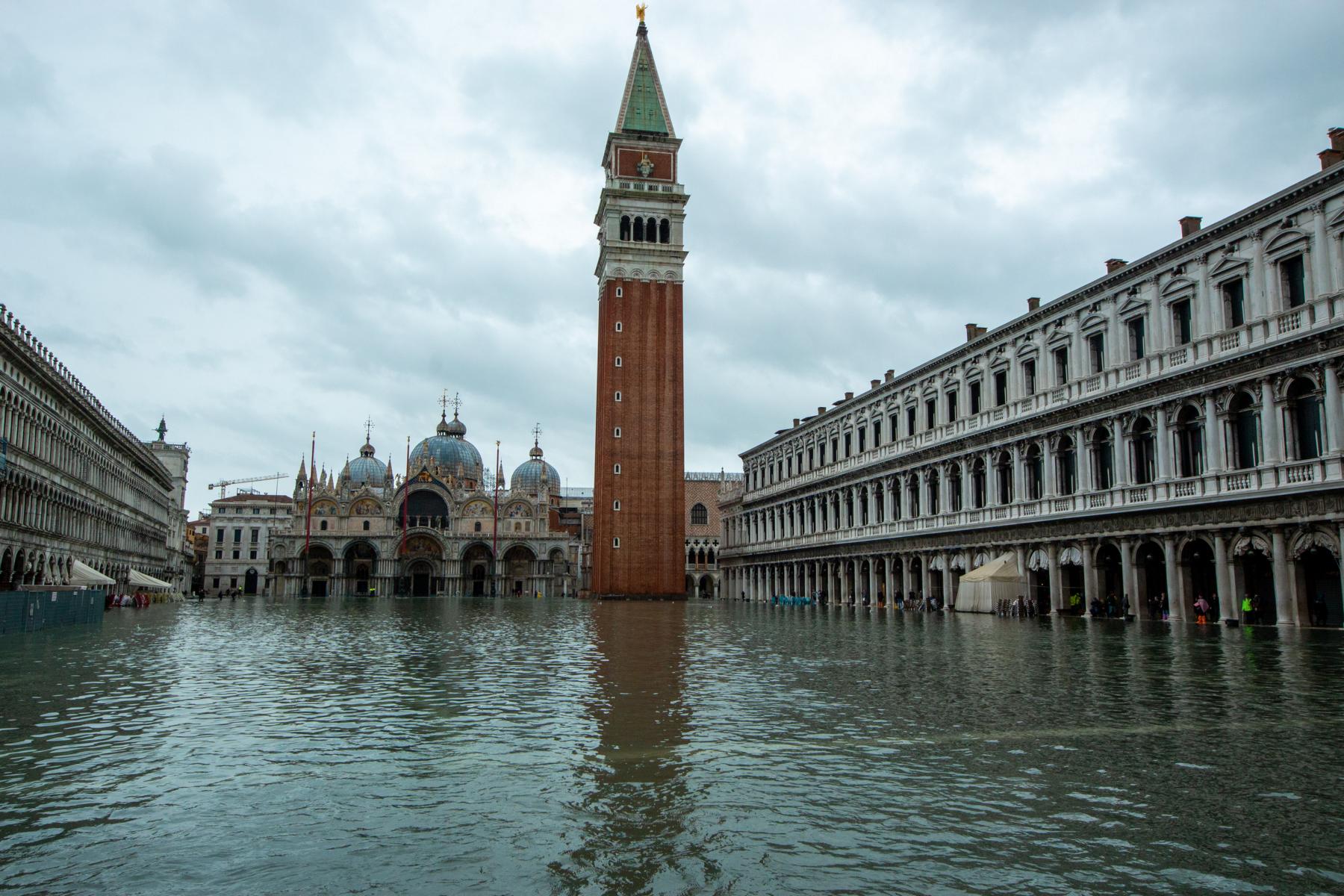
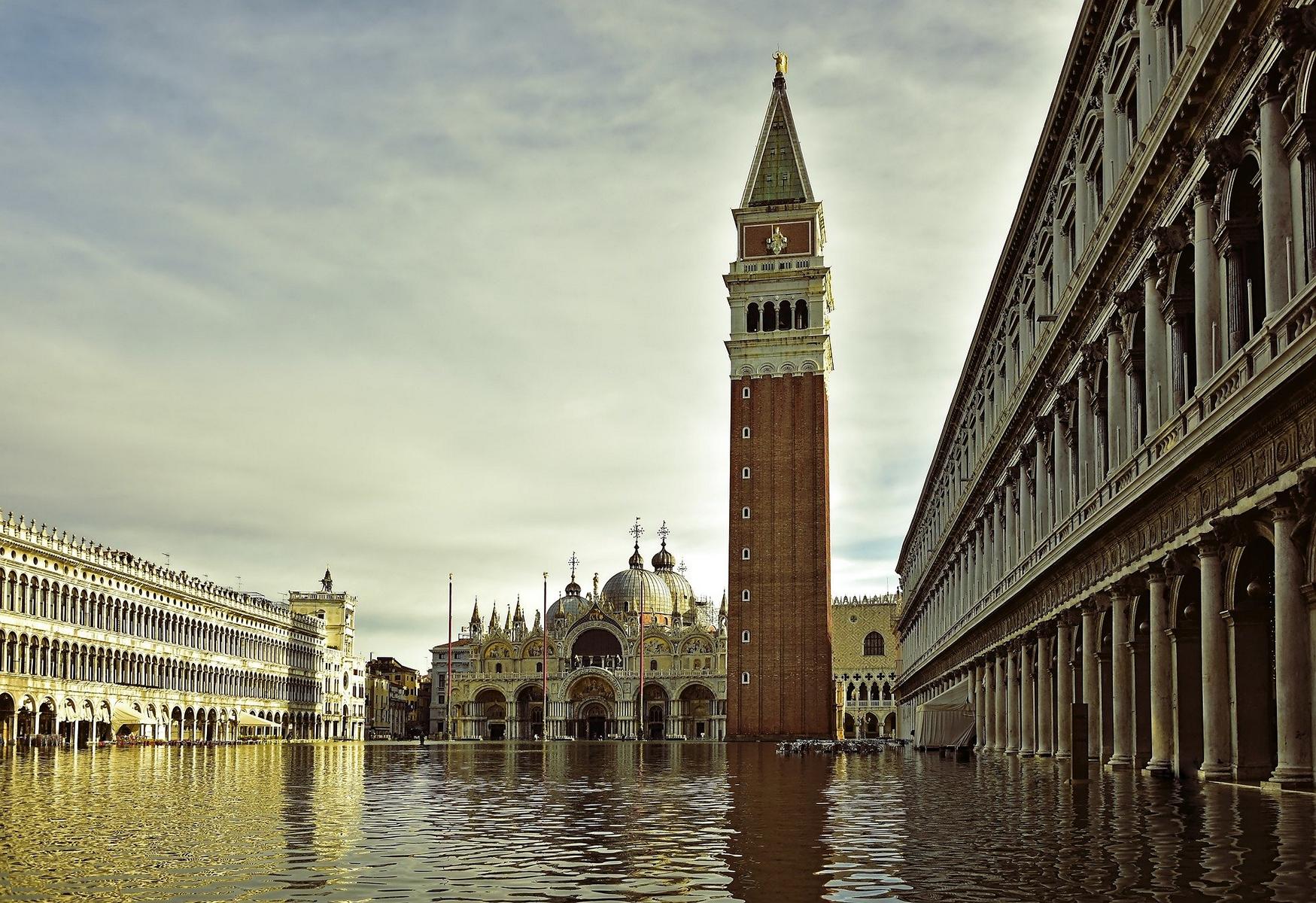
Flooded St Mark’s Square, view of St Mark’s Basilica and bell tower.
St Mark’s Basilica, the ”Golden Basilica,” began as the ducal chapel, the private church of the Doge. The splendid mosaics that cover every part of the interior walls, some 1,000 square meters, are executed in gold tiles produced in Murano with fine 24-karat gold leaf. If the gold were not pure it would darken and not be as brilliant as it is today.
The Basilica was originally built in the 9th century as a chapel for the Doge, the ruler of Venice. Over the centuries it was expanded and embellished, and today it is a complex of buildings that includes the main basilica, a museum, and the Treasury.
Admission to the Basilica is free, but it is worth a small obolus to view both the Pala d’Oro and the Treasure of St Mark’s, which houses a collection of objects composed of gifts made to the doge during the millennium of the Serenissima Republic.
One can see solid gold or Rock Crystal cups, gems, monstrances, reliquaries. In addition, it is possible to go up to the loggia from which one overlooks St Mark’s Square. On the way to it one can view the museum that houses the original bronze Quadriga of St Mark’s Horses that were taken from Constantinople in the 13th century, a copy of which towers over the Basilica’s central door.
There is also an opportunity to purchase a tour of the Basilica that allows you to skip the entrance line and visit its majesty accompanied by a guide. The tour of the Basilica can be booked at link. Finally, if you wish to visit both St Mark’s Basilica and the Doge’s Palace the tour can be reserved here.
Doge’s Palace
The doge’s palace and the St Mark’s bell tower.
A “gothic” witness to the rise, fall and rise of Venice is the Doge’s Palace, home of the Doge and seat of the government of the Serenissima. Located in St Mark’s Square, the palace has suffered numerous fires, but like the Venetian people, it has managed to rise again and shine in its white Istrian stone and pink Veronese marble, right in the center of the main square.
The palace served as the center of Venetian political power for centuries and is famous for its ornate facades, elegant interiors, and historical significance. Today it is a popular museum showcasing the art, history and culture of Venice.
Don’t miss a visit to the palace, but remember that the queues can be quite long, so it is highly recommended to buy a ticket with priority entry*. As with the Basilica, it is ideal to buy a combined ticket* for the Doge’s Palace and St Mark’s Basilica to save money and waiting time.
Rialto Bridge
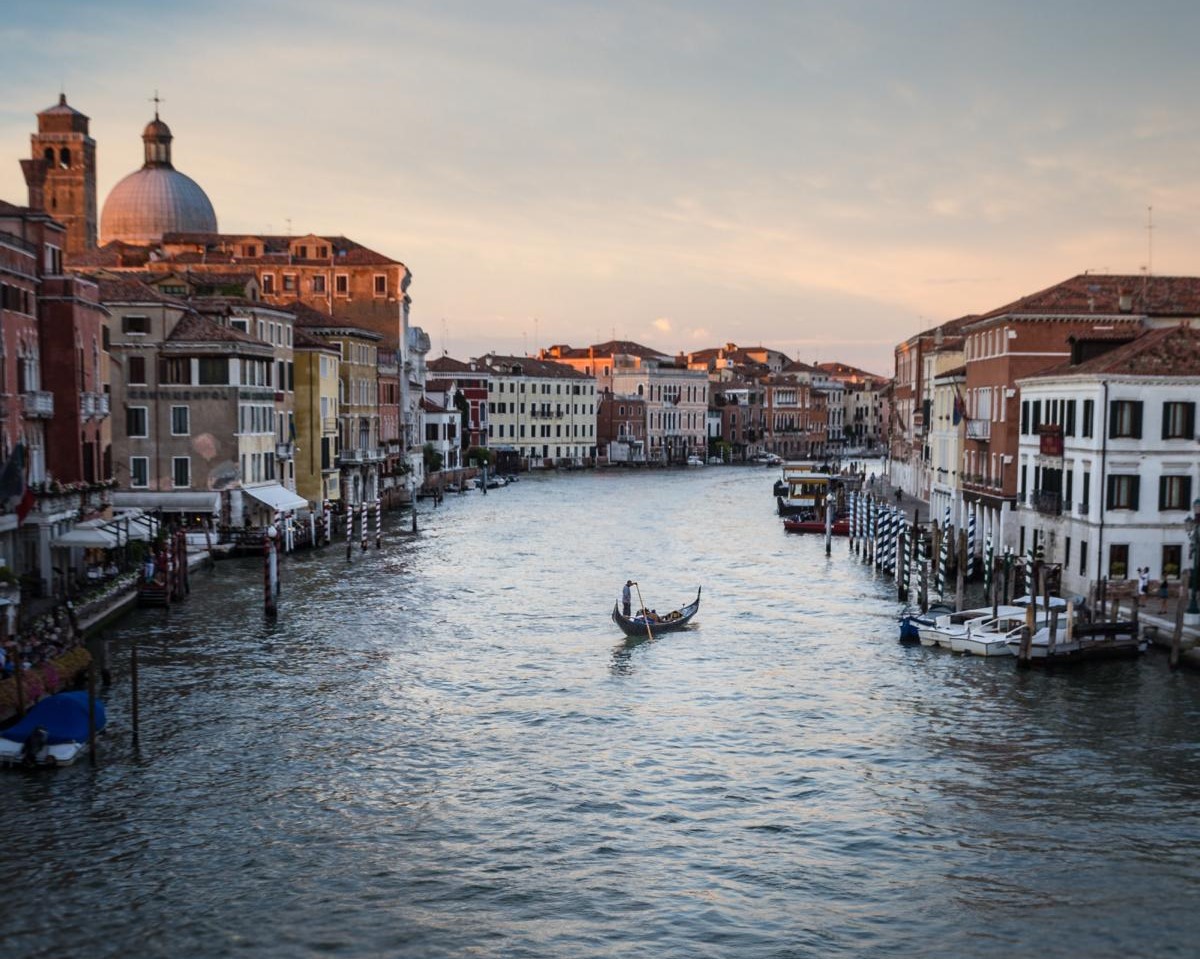
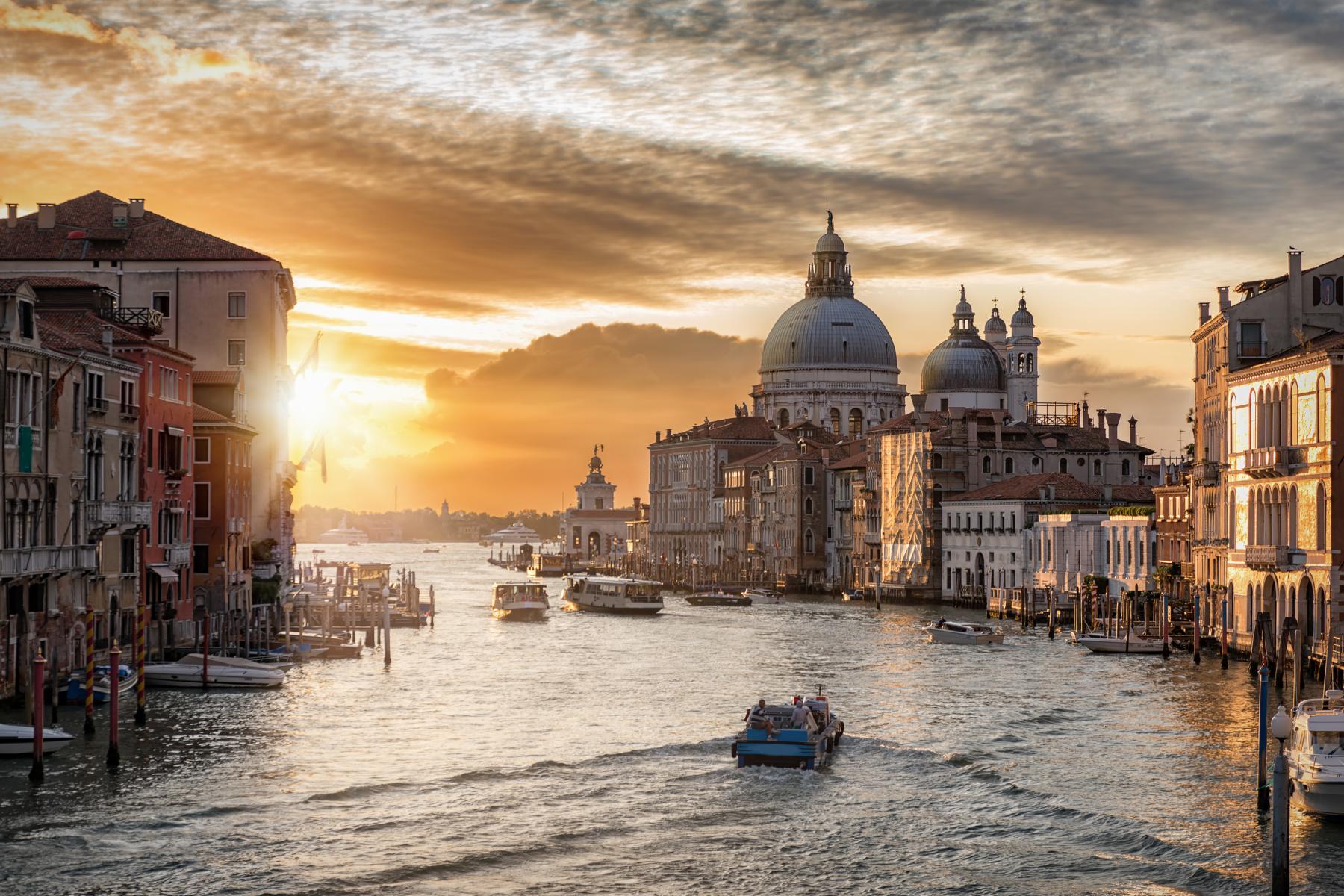
Born before the city itself was the Grand Canal of the Serenissima, “Canalazzo” for the citizens of Venice. The Grand Canal, with its inverted “S” shape, crosses the capital for as much as 4 km, dividing the historic center in half.
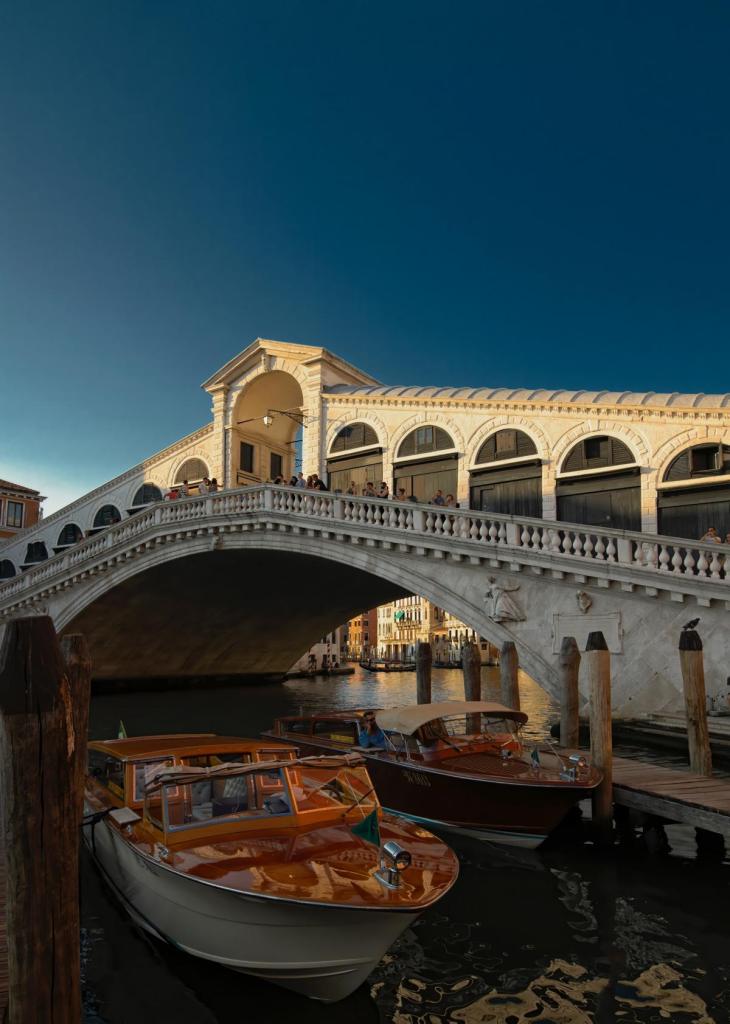
It is possible to admire a breathtaking view of the canal from the world-famous Rialto Bridge, a true symbol of the city. Not to be missed is a ride on a traditional gondola, admiring some of the city’s most important monuments from a different perspective; for a super romantic and folkloric experience at the same time, we recommend the gondola tour with music and singers, enjoying one of the most unique experiences you can have in Venice.
During your stay in Venice, which is mostly characterized by visits to museums, neighborhoods and the most charming districts, reserve a morning for a few hours of shopping at the picturesque Rialto Market!
Known for its fresh produce, seafood and other local specialties, it is a popular destination for both locals and tourists. From gastronomy to textiles, you can find and buy just about anything, perhaps tasting, between a glance at a spice stall and one of oriental silks, some exquisite typical Venetian dishes. The market has been operating for over 700 years and is a vibrant hub of activity and commerce in the heart of Venice.
Of course, you can lose yourself in the colors of the market for free. But if you want an unforgettable tourist experience, book a real food and wine tour* to discover authentic and genuine flavors.
The Canal Grande
The Canal Grande is the main canal in Venice and is one of the most famous and picturesque waterways in the world. It is approximately 3.8 km long and winds its way through the heart of Venice, passing under several famous bridges and past many historic buildings and palaces. The Canal is a major transportation artery in Venice and a popular destination for tourists who want to experience the city’s unique beauty and charm from the water.
Vaporetto ride on the Grand Canal
The public transport in Venice: the water buses (“vaporetti”) at the Rialto Bridge.
A tourist arriving in Venice for the first time is able to fully grasp the beauty of the City only after traveling along the main canal: the Grand Canal.
Grand Venetian palaces are reflected on the banks, majestic churches and some of the city’s important museums overlook the characteristic waterway. It is believed that, in ancient times, the canal was the bed of a river that flowed into the Adriatic, crossing all the islets that would later form the lagoon city, following a winding path in the shape of an inverted S.
The enchantment of the boat trip, a journey immersed in the brackish waters, lies in imagining how the ancient Venetians could have built this marvel, dotted with Monuments and Churches, erecting towering Palazzi and juxtaposing them seamlessly with each other, conceived and designed by the greatest architects of all time – from the 14th to the 19th centuries – in an environment that without the intervention of the Venetians would have remained inhospitable and unhealthy.
You can purchase your 75-minute boat ticket at ticket offices or directly online at this link.
Traghetto ride
Cheap Gondola Tour: Do you dream of riding in a gondola? Know that you can do it for as little as €2.00. Traghetto rides in Venice are a unique and affordable way to cross the Grand Canal by gondola, using traditional methods that have been used in Venice for centuries.
Some Traghetto offer short rides at the following boarding points:
traghetto Dogana (9am-6pm)
traghetto Santa Sofia – near Rialto market (9am-6pm)
traghetto San Tomà (9am-6:30pm)
traghetto Santa Maria del Giglio (9am-6pm)
traghetto Carbon (Monday – Friday 9am-12pm)
Of course, the experience has little to do with the classic “gondola ride”, but for the ridiculous price it is definetely worth it…
Gondola on the Grand Canal in Venice, Venezia, Italy.
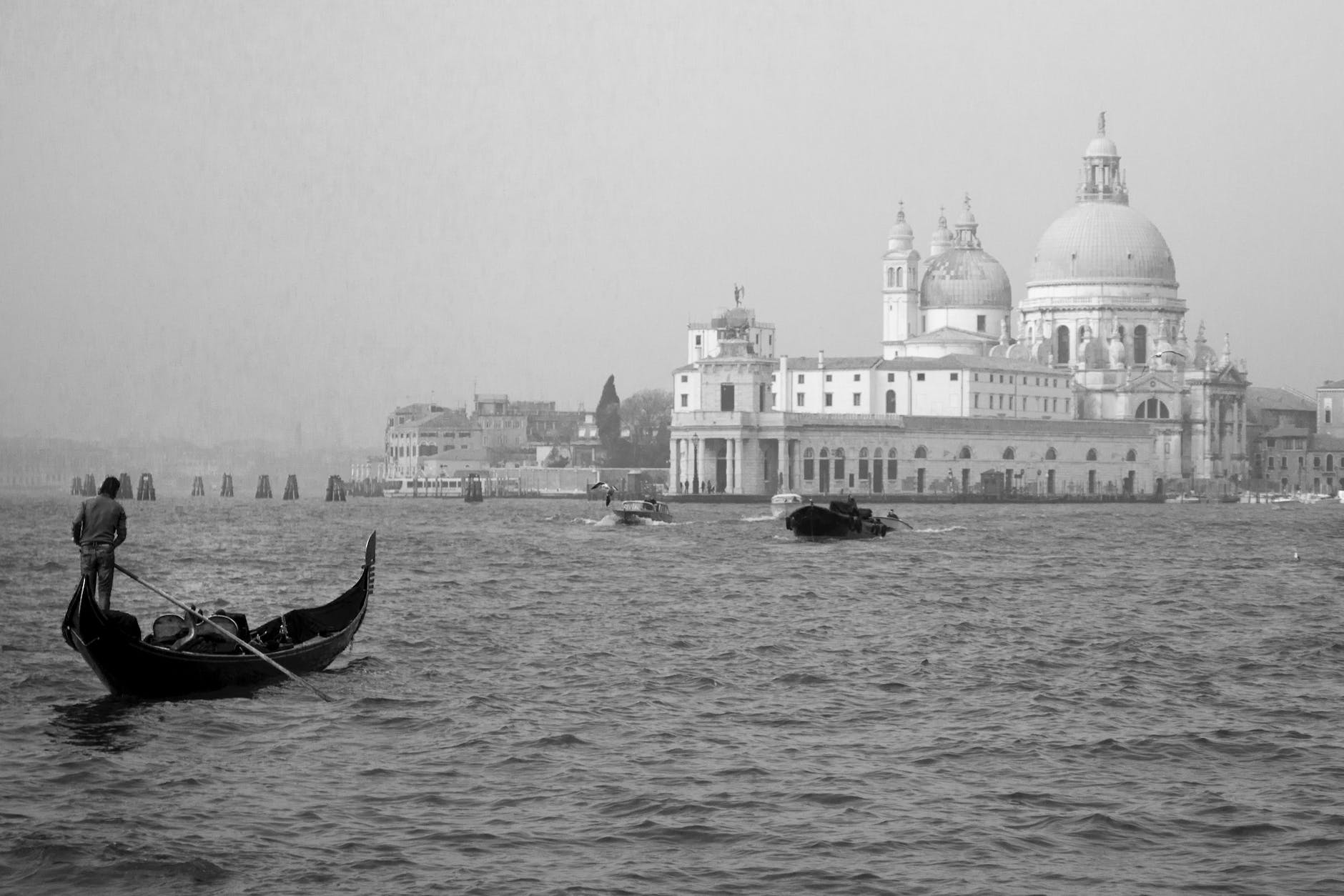
The gondola is the typical Venetian boat. It is about 11 meters long and possesses an asymmetrical shape as it can be driven by only one person, the gondolier.
The gondola is an extremely complex boat to make, its construction takes more than a year, and an additional peculiarity is that it is custom-made to suit the gondolier, his weight and physical characteristics, to allow the boat to glide with unique elegance over the lagoon surface.
Taking the classic gondola ride may seem like a “tourist” experience, however it is an essential activity when visiting Venice, as it allows you to have a different perspective and see places that cannot be discovered by walking around the City, but can only and only be appreciated on board these boats.
The Jewish Ghetto of Venice is one of the oldest and most significant Jewish ghettos in Europe. Established in 1516, it was a segregated area where Jews were required to live and worship in isolation from the rest of the city. Despite these restrictions, the ghetto became a vibrant center of Jewish life and culture, and today it is a fascinating historical and cultural destination that offers a glimpse into the rich heritage of Venetian Jewry.
Another universe apart from the city of Venice. The term “ghetto” has its origin in the Venetian city itself, to apostrophize real “other” quarters, far from the center, both architecturally and culturally.
The Jewish Ghetto is worth a stop for its special houses, designed to accommodate large families, for its three synagogues, because it is a blatant example of successful coexistence between different religious and social “backgrounds”.
A guided visit* to the Jewish Ghetto includes churches, bridges and monuments. Some agencies combine the tour with an excellent gastronomic experience that allows you to taste Venetian specialties in some typical restaurants of the Sestiere of Cannaregio. For more information on the gastronomic tour, click here*.
Gallerie dell’Accademia
The Gallerie dell’Accademia in Venice is one of the most important art museums in Italy, renowned for its collection of Venetian art from the 14th to the 18th centuries.
The Gallerie dell’Accademia is located in a former monastery complex on the south bank of the Grand Canal, one which includes the Church of Santa Maria della Carità, the Convent of the Canonici Lateranensi and the Scuola Grande di Santa Maria della Carità, which houses, among other things, one of Leonardo da Vinci’s most important works, “The Vitruvian Man“, carefully guarded by the curators of the Galleries and rarely exhibited to avoid possible deterioration.
Whether you are an art lover or not, such a rich museum deserves to be visited with a guided tour, which will allow you to get to know the most important works, their stories, anecdotes and, above all, will let you know all the secrets behind the real masterpiece of this museum: the Vitruvian Man by Leonardo da Vinci.
Also, since this is one of the most iconic museum complexes in Venice, there are often long lines at the entrance, so it is best to opt for a skip-the-line ticket*.
La Fenice Theater
“Like the phoenix, you will rise from the ashes” is a saying we often repeat, but it finds its true meaning when talking about the famous Venetian theater, which has been destroyed twice in 200 years, but has always risen again to regain its former glory.
The theater La Fenice has been the stage for some of the most famous operas and composers in history, including works by Verdi, Rossini, and Bellini. It has also hosted some of the world’s greatest singers, conductors, and performers, making it a cultural and artistic center of international renown.
It is possible to learn about the history and curiosities of the theater thanks to a special guided tour* to discover one of the most famous theaters in the world.
Acqua Alta bookshop
Flooding at the Libreria Acqua Alta library in Venice.
A place out of time that fascinates and immerses every visitor in an “other” universe where it is possible to get lost. The Acqua Alta bookshop is known for its eclectic and diverse collection of books, which includes everything from classic literature to contemporary bestsellers, as well as books in several different languages.
The name “Acqua Alta” means “high water” in Italian, and refers to the frequent flooding that occurs in Venice during the winter months. The bookstore is located in a low-lying area of the city that is particularly prone to flooding, and as a result, the owners have come up with some creative ways to protect their books from the water.
The bookstore is also home to several resident cats, who are free to roam around the store and often curl up on the shelves or in the display cases. The cats have become a beloved part of the bookstore’s charm and character.
You only have to walk into this small bookstore to realize that you are looking at something absolutely extraordinary: stacks of books on the most diverse subjects, perfectly arranged on volume-saving gondolas during floods. A dream come true.
The mascot of the Libreria Acqua Alta library in Venice.
In this post I’ll show you some of the best things to do in Venice in winter for an unforgettable trip to the most beautiful cold lagoon in the world. Visiting Venice in winter is an experience you will never forget.
The city becomes intimate and mysterious, and despite the low temperatures, winter is one of the best seasons to visit Venice. With the exception of the Carnival season, tourist flows are low and visitors become rare and discreet. Prices are lower and the queues at the various sites are much shorter. In short, an excellent situation to take advantage of.
For more – and detailed – reasons to visit Venice in winter, click here:
In this post I’ll tell you what to do in Venice in winter, how to dress and what sights you should visit in the cold season.
Staying in a hotel on Venice is the perfect way to enjoy everything the lagoon city has to offer. Then you can explore late in the evening and early in the morning when most tourists have already left!
Meanwhile, I prefer to use Booking.com to find the right accommodation for my travels. The reviews from other travelers help me figure out which hotel suits me best. Hotel Rialto* is my first choice when I need a hotel in Venice: it is located in the center of Venice, right by the Rialto Bridge, and from there every corner of the city can be reached in no time.
However, before we leave, I would like to answer a basic question: How cold is it in Venice in winter?
Of course, those who like it rather wam will find the Venetian climate rather unpleasant in winter. In addition to the low temperatures, the wind chill is made even colder by fog, humidity and winds like scirocco and bora. It is definitely advisable to check the weather forecast before traveling.
In winter, temperatures in Venice can drop sharply, down to zero degrees, but rarely below. Normally, the maximum temperature is 8 degrees Celsius.
The atmosphere is very humid, perhaps that is what affects the perception of cold the most. But since it is a lagoon, it is not like you can have everything!
It is rare that it snows, but not impossible. In short, just dress well and you’re good to go.
Winter in Venice – gondolas in front of San Giorgio Maggiore
Literature about Venice
Reading books about Venice can enhance your experience of visiting the city in many ways:
They help to better understand the historical and cultural context. Venice has a very exciting and rich history as well as culture, and reading books can provide this context and help you understand the city’s art, architecture and traditions.
While the major tourist attractions in Venice are well known, there are also many hidden gems that you can discover by reading books.
The lagoon city has also been the setting for many famous literary works, including Shakespeare’s “The Merchant of Venice” and Thomas Mann’s “Death in Venice.” Reading these works can deepen your connection to the city and give you new insights into its culture and history.
Overall, reading books about Venice can lead to a better understanding and appreciation of the city, so you can have a more fulfilling and enjoyable visit.
The motto is: Dress according to the onion principle! (That is, in layers, for those who can do little with the term). The clothes I list below are clothes that can never be missing from my backpack for Venice.
Fleece or winter leggings*: whether you are a man or a woman, bring fleece leggings. They are a great invention, lightweight, comfortable and super warm.
Thermal underwear*: thermal underwear is very useful if you spend your days hiking in cold and freezing conditions.
Gloves, scarf and hat*: it is important to cover your face and hands well. The cold is intense, but above all it is very wet. If you don’t protect your extremities well, you risk catching a cold and losing the desire to walk around Venice, ruining your vacation.
Waterproof shoes*: this also seems like a truism, but it’s not. Because even when the water level is low, your feet can get wet pretty quickly if it rains. And who likes to have soggy feet. So, comfortable, waterproof and warm shoes.
By the way, you can find my personal packing list for Venice here:
A trip to Venice in winter is an incredible opportunity to visit parts of the city that are usually ignored, or to explore sights you’ve never seen because of the long queues. Or to do things you would normally have avoided because they were too expensive in high season. Or join guided walks that you normally wouldn’t do because of the crowds in the city.
Take a gondola ride
Venice can be cold in winter, I don’t want to hide that. Still, that’s no reason to skip the classic gondola ride in Venice. I know it sounds obvious, but it’s like climbing the Eiffel Tower in Paris or visiting the Colosseum in Rome.
There are things that need to be done.
As the saying goes, when you’re in Rome, do as the Romans do. So in Venice, a gondola ride is in order. Especially when it’s foggy, a gondola ride makes sense.
But then only go after sunset and definitely not during the day. It is an absolutely magical experience. It feels like you are floating in the fog and the dim light of the gondola lantern shines like it was in the 1600s.
If it’s a nice day, take advantage of the sunny hours. As for the cold, there are usually blankets that the gondolier puts over the legs of the passengers.
A romantic gondola ride for two
A gondola ride for two is always romantic, not only on Valentine’s Day. A private gondola ride* costs around 160 euro for 30 minutes.
(Make sure you really book a private gondola ride, and don’t join the group rides, which are cheaper but far less romantic).
Visit the museums and other attractions in Venice in winter
To escape the cold a bit, you can always escape to one of the many museums in Venice. You can start with the following sights that I really like in Venice, or choose a few that appeal to you more.
Free walking tour: given the small number of tourists or large groups, a great way to discover hidden parts of the city is by joining a free tour. There are several tours available, from the classic version to the one that uncovers the secrets of Venice;
Ticket to the Doge’s Palace* with visit to the prisons: A visit to the Doge’s Palace is an absolute must when you visit Venice, especially in winter. Since there are fewer visitors, you can enjoy the Doge’s Palace and its thousands of stories in peace and without stress;
The art gallery Galleria dell’Accademia* houses the richest collection of Venetian and Venetian painting with artists who have influenced the history of European painting.
The Museo Correr is one of the most important and representative museums in the city of Venice. It illustrates the art, civilization and history of Venice through its various departments and rich and varied collections.
The Peggy Guggenheim Collection* The Peggy Guggenheim Collection is one of the most important museums of twentieth-century European and American art in Italy.
Guided tour of St. Mark’s Basilica*: St. Mark’s Basilica is a charming building that represents the splendor of the Republic of Venice during the thousand years of the Serenissima.
Warmed up within the walls of the Theater La Fenice
Another way to spend a cold night in Venice is to attend an opera performance in one of the most beautiful theaters you have ever seen. The Teatro La Fenice offers a rich program of plays and operas every year, where you are sure to find something to your taste.
New Year’s Eve Concert in Venice at La Fenice Theater
Sip a delicious hot chocolate
Chocolate came to Venice in the early 17th century. At that time, the first coffee shops also served excellent cups of hot chocolate in winter. Casanova himself loved to drink it, mainly because of its aphrodisiac effect.
The best hot chocolate I ever had in Venice was from Caffè Florian in St. Mark’s Square.
Caution. Again, prices for traffic at the table are double those for traffic at the bar counter.
Spend a special evening at Venice Casino
Why lock yourself in your hotel room on a winter night when the Casino di Venezia is just a short walk away? Stop by the front desk and pick up a free ticket to experience an evening with a difference. You can try your luck at the gaming tables, but if you don’t feel up to it, you can also take the opportunity to visit one of the city’s most beautiful Venetian palaces.
Admission costs between 5 and 10 euros, but is free if you stay at a hotel in Venice. (Please check with your hotel beforehand if the offer applies to your hotel).
If you are planning a day trip to Venice, there are a few sights you should not miss. One of them is the majestic “Ponte di Rialto” or Rialto Bridge, immortalized by artists like Canaletto and even mentioned by Shakespeare, whose Shylock in The Merchant of Venice asks, “What’s new on the Rialto?”
Whether you’re planning a romantic getaway in Venice or wondering what to do with your family, the Rialto Bridge should be on your itinerary.
History of the Rialto Bridge
The Rialto Bridge was built to provide access to the Rialto Market and to connect the San Marco and San Polo districts. It is the oldest bridge over the Canal Grande. The bridge in its current form dates back to 1591, but its history goes back much further.
It was originally a pontoon bridge built in 1181, which was replaced by a wooden structure in 1255. It was damaged by fire during a riot in 1310 and then collapsed twice – the first time in 1444 under the weight of people using it as a lookout point for a regatta, and then again in 1524.
The bridge as we know it today is the result of decades of proposals by famous architects who competed to design a sturdy replacement for the wooden stone bridge. Among the architects who participated in the competition were Michaelangelo and Palladio, an architect best known today for his impressive country villas.
Accommodation near the Rialto bridge?
The location of this 4-star hotel is ideal for exploring and discovering the city. Imagine sitting at the window of your Junior Suite and admiring the Rialto Bridge. Under the arch of the bridge, gondolas and boats constantly cross the Grand Canal and the vaporetti stop just steps from the hotel to bring all of Venice to you.
In the end, Antonio da Ponte’s design was chosen, similar to the previous wooden bridge, and construction of the new marble bridge began in 1588. It was opened in 1591 and was the only place to cross the Grand Canal on foot until the construction of the Accademia Bridge in 1854. Today it is one of the most popular tourist attractions in Venice.
There are many shops on the Rialto Bridge, most of them selling luxury goods such as jewelry, watches or Murano glass. There were shops on the first wooden bridge in 1250; at that time the city financed the maintenance of the bridge from the rent of the rooms.
Fun fact: The rent for about 16m² on the bridge (8m² ground floor, 8m² first floor) is about 5,000 euros/month.
Do you want to discover Venice on your own?
Discovering Venice on your own can be an exciting and rewarding experience. A travel book will be a valuable resource where to look up historical and cultural information, as well as practical information and language tips.
Here you can find my personal recommendations on the best Venice travel guides:
The location of the Rialto Bridge makes it possible to capture the splendid atmosphere of the sunset over the Grand Canal in the southwest; the reddish sky and the last rays of the sun are reflected on the water, illuminating the bright palaces along the canal with a warm light. Venice is certainly not lacking in romantic atmosphere, but the city is even more beautiful at sunset.
Some technical details about the Ponte di Rialto
One of the most impressive features of the Rialto Bridge is its construction. The bridge is held together by a series of interlocking stones and a unique system of dovetail joints, which allowed the structure to withstand the weight of heavy traffic and the forces of the Grand Canal.
The Rialto Bridge has a single span with a height of 7.5 meters and a width of 22 meters. The bridge is supported by two ramps leading to a central portico with three arches. The portico is lined with shops and the arches are decorated with statues of St. Mark, St. Theodore and the Annunciation.
The architecture of the Rialto Bridge is also notable for its elegance and simplicity. The design of the bridge is characterized by clean lines and a sense of symmetry, creating a harmonious and pleasing appearance. The use of Istrian stone also gives the bridge a warm and inviting appearance, making it a popular destination for tourists and locals alike.
Where is the Rialto Bridge located in Venice?
A walk across the Rialto Bridge is at the top of the list of romantic things to do in Venice, as it offers a beautiful view of the Grand Canal and numerous small souvenir shops.
If you’re wondering how to get to the Rialto Bridge, there are several options. You can walk north from St. Mark’s Square through the quaint streets of the city to the Grand Canal – you can’t miss the Rialto Bridge! Or take a water bus and get off at the Rialto Bridge stop. Get your camera ready for one of Venice’s most breathtaking sights… The Rialto Bridge is one of the best photo opportunities in Venice!
Fondaco dei Tedeschi
The luxury shopping center on the Grand Canal, in an ancient thirteenth-century palace, offers not only three floors of priceless brand-name goods in the middle of the oldest part of Venice, but also a free visit to the roof terrace with breathtaking views of the canal and the Rialto Bridge. However, this is only possible with prior booking: 15-minute slots are offered from 10:30 to 18:30.
Tip: Book two slots in a row. You can show both bookings at the first control, so that you stay on the roof terrace during the "shift change" and are not sent back to the waiting hall. That way you have the terrace for a minute or two just for you and your photos; tripods have been allowed, by the way.
The name suggests that the building served as a settlement for German-speaking merchants and craftsmen in the late Middle Ages and Renaissance; even the Fuggers had a trading post here. Today, the premises still have signs and coats of arms of various merchants engraved on columns, shelves, windows, walls, facades and plinths to claim the space for themselves.
Venice is one of the world’s most beautiful cities. No wonder tourists flock there to experience it for themselves. But what are the biggest tourist traps in Venice and how can you avoid falling into them?
Here are some numbers and trivia to learn more about the Rialto Bridge:
The Rialto Bridge is 28 meters long and 22 meters wide; the average height above the water is 7.5 meters.
From 1591 until 1854 (when the Accademia Bridge was completed), the Rialto Bridge was the only way to cross the Grand Canal on foot.
The design of the bridge was considered daring, but it turned out to be very successful: no maintenance was needed for over a century. The first restoration was carried out in 1738.
There are 24 shops on the Rialto Bridge, 12 on each side.
There are three pedestrian crossings: a central one, about 10 meters wide; two lateral ones, about 3 meters wide.
To cross the bridge you have to climb 80 to 120 steps, depending on which passage you use and where you come from.
The bas-reliefs that decorate the bridge include a man with a third leg and a woman crouching over the flames. According to Venetian legend, they represent two merchants who opposed the construction of the bridge because they were skeptical about its ability to bear weight.
The bas-reliefs depicting St. Mark and St. Theodore are by Tiziano Aspetti, a 16th century Venetian sculptor who was very active in Venice.
The name Rialto comes from the Latin “Rivus altus”, which can be translated into Italian as “deep canal”: this expression was probably used to indicate that the area was free from flooding.
Maybe you’ve already guessed this from the other posts: Visiting Venice can be a bit overwhelming. It’s not just the everyday life of a big Italian city: everything takes place in a very small space and things work differently than we – and even mainland Italians – are used to.
Venice is one of the most famous tourist destinations in Europe, if not the world. It is also a city that has become known for overtourism. I visit Venice anywhere from one to four times a year. In recent years, I have had the opportunity to visit the city at any time of the year. During my visits, I have always stayed in Venice for several days and have been able to extensively test many of the best Venice travel guides listed.
Despite its manageable size, I recommend planning your visit in advance, especially if it’s your first time. The Venice travel books and guides in this post should help.
The special and best Venice travel guides
Venice as I love it. A guide to get lost with
“Venice as I love it. A guide to get lost with*” is possibly my favorite, both in structure and content, and I highly recommend it to you. The subtitle “A guide for getting lost with” is exceptional and made me buy it when I first saw it. I knew immediately – and I wasn’t wrong – that I would find something suitable and new for my curiosity for Venice.
“111 Places in Venice that you must not miss*” is one of the best Venice travel guides that I recommend to passionate travelers and also to locals, because it really does offer special insights that go beyond the usual tourist routes. The author, Gerd Wolfgang Sievers, is a professional chef and has long since made a name for himself as the author of successful cookbooks. His interest in Venetian cuisine led him to spend a long time in Venice. You can find the corresponding cookbook at the end of the list.
The Secret Venice of Corto Maltese. Fantastic and Hidden Itineraries
“The Secret Venice of Corto Maltese. Fantastic and Hidden Itineraries*” is a Venice travel book that takes the approach of getting very close to its “protagonist” Corto Maltese. (Corto Maltese is one of the cult characters and icons of the European graphic novel scene, created by the Italian master Hugo Pratt, who himself lived in and around Venice). The book proposes you seven itineraries, described in a completely unusual way compared to normal Venice travel books, accompanied by Hugo Pratt’s wonderful pictures.
To give an idea of the underlying style, I quote the saying on page three: “Viagiar descanta, ma chi parte mona torna mona” (Venetian for: Travel sharpens the mind, but if you start out as an airhead, you’ll come back as an airhead).
The Lonely Planet Venice travel guide* here in the detailed version. A quick and flexible guide that may not be very original, but is certainly useful for planning your vacation and getting around the city.
Rick Steves’ Venice travel guide* offers a comprehensive and practical overview of the city, including its history, culture, and top attractions. This Venice travel book includes detailed walking tours of Venice’s major neighborhoods, such as San Marco, Dorsoduro, and Cannaregio, with suggested itineraries and insider tips on how to avoid crowds and make the most of your visit.
Enrica Rocca’s book explores the culinary traditions of Venice, Italy, and features a collection of recipes inspired by the city’s unique cuisine.
The book is divided into sections that focus on different aspects of Venetian food culture, including fish and seafood, vegetables, meat, pasta, and desserts. Each section includes a range of recipes, as well as information on the history and cultural significance of the dishes.
Do you want to learn Italian while enjoying a coffee in Venice?
The most successful language learners get into the habit of studying on a regular basis. 50 Italian Coffee Breaks makes it easy to master a simple routine for improving your Italian by effortlessly integrating it into your soothing daily ritual – from a 5-minute espresso to a 15-minute latte.
The best Venice travel guides should be packed with in-depth reports, reviews, well-kept secrets, hidden treasures, and more, making them invaluable before and during a trip.
They should be, too:
Rich in information to help you get the most out of your vacation;
Divided into neighborhoods with detailed information on all their peculiarities;
List the main attractions and activities, shopping, nightlife and accommodations;
Provides a survival guide on how best to get around the city and includes detailed sections on pre-planning;
Offer a detailed city map and pull-out detailed maps.
Highlights and suggested itineraries help you tailor your trip to your personal needs and interests. Insider tips help you save time and money, and avoid crowds and trouble spots like the locals.
Cultural Insights provide a rich, rewarding travel experience by introducing you to the culinary specialties, art and architecture, theater and opera of the city you visit. This way, you’ll know when the events you’re most interested in are taking place, and you’ll be able to choose the best time to vacation in Venice.
The best Venice travel guides will not only tell you about the history of the city, but also about the daily life of the Venetians, about the peculiarities of San Marco, Dorsoduro, San Polo, Santa Croce, Cannaregio, Castello and Giudecca, about the excursions on the Lido and on the islands of Murano and Burano.
Venice’s main attractions
Among the most famous monuments are:
Santa Maria Gloriosa dei Frari church
Canal Grande
Ca’ d’Oro
Rialto Bridge
Accademia
Theater La Fenice
St. Mark’s Square (“Piazza San Marco”)
St. Mark’s Basilica (“Basilica of San Marco”)
St Mark’s Bell Tower (“Campanile di San Marco”)
Doge’s Palace (“Palazzo ducale”)
Bridge of Sighs (“Ponte dei sospiri”)
Procuratie and Museo Correr
Santa Maria della Salute church
San Giorgio Maggiore church
Lido of Venice
Arsenale
Ghetto of Venice
Peggy Guggenheim Collection
San Michele church
San Bartolomeo church
Santi Giovanni e Paolo church
Santa Maria dei Miracoli church
Santa Maria Assunta church
Great School of St Rocco (“Grande scuola di San Rocco”)
Palace and spiral staircase Contarini del Bovolo
Grassi palace
Great School of St Marco (“Grande scuola di San Marco”)
Ca’ Pesaro
Museum of the Venetian 18th century (“Ca’ Rezzonico – Museo del Settecento Veneziano”)
Santa Maria Formosa church
Santa Maria Zobenigo church
Santa Maria und San Donato church
But there is much more to discover: Venice, the city of bridges, is spread over 118 islands connected by ferries and bridges. All the buildings and alleys of Venice form a whole, and the best Venice travel guides will give you exactly this picture.
Another important aspect of the best Venice travel guide is to give you good advice for the time between all the cultural activities: Where is the most authentic food and the most fun nightlife? Where are the best places to stay at night?
Find out about the Venetian culinary traditions
A large percentage of tourists in Venice end up in restaurants where they eat poorly and feel ripped off. These Venice travel books recommend places for all budgets where locals eat, bars where you can get traditional Venetian ciccheti, and the best places for vegetarians and vegans. There’s also often advice on ordering food and essential Italian vocabulary.
This post is about food, specifically authentic Venetian specialties, and the typical places where long-time residents and newcomers like to eat.
If you are reading this blog article, you are looking for a cheap solution to stay in Venice. That’s exactly what I’m doing in this text and here you’ll find all the recommendations for a cheap stay in hotels, B&Bs and room rentals in the most beautiful areas of the city.
Start now to select the cheapest offers for a stay in Venice: move on the map, explore the city, zoom in and discover the prices of all accommodations.
The first important consideration is that there are no cars in Venice and you get around by water or on foot. This is an important reason to consider the distance from the parking lot if you arrive by car, or from the Santa Lucia train station if you arrive by train.
You may have to walk in a hurry through the Venetian calli and bridges – this often happens to me when my stay in Venice is over and I have to rush to the train station – and lug your suitcases halfway across the city.
What is the best area to stay in Venice?
The peculiarity of this city is its division into Sestieri. These are the quarters of Venice, and each of them has its own characteristics that make it unique.
St. Mark’s Square, for example, is the most central and most visited district by tourists: from the central St. Mark’s Square you can admire an extraordinary landscape over the lagoon and at the same time you are very close to the most popular sights of Venice: the Basilica of San Marco, the Bridge of Sighs, the Doge’s Palace etc.
Venice accommodations near Piazza San Marco
It’s certainly not the cheapest option, but if you’re looking for a comfortable option close to the main attractions, I’ve selected the three most central and affordable accommodations.
Der Barocci-Palast
Overlooking the Grand Canal and just a short walk from St. Mark’s Square and the Rialto Bridge, this 4-star superior hotel has beautifully appointed and comfortable rooms and suites. Recommended for those sleeping in Venice who want an extra dose of pampering.
Just 800 meters from St. Mark’s Square, the hotel enjoys an enviable location and is housed in an old building dating back to the 15th century. With beautiful rooms and reasonable prices, it is a recommendable solution to stay in Venice without spending a lot of money.
Just 400 meters from St. Mark’s Square, it offers classic-style rooms with exposed wooden beams. The rooms overlook the canal and the breakfast is rich. Recommended for the friendliness of the staff and the cleanliness of the rooms.
The Sestiere Cannaregio is just a few minutes walk from the Santa Lucia train station. Along the busy (pedestrian) street that leads to the station hide many small realities ignored by mass tourism. There you will also find the Jewish Ghetto, which is indeed very fascinating, with its small stores and millennial traditions that you should not miss.
In general, the accommodations in Cannaregio have a lower average price and are the solution I recommend if you want to stay in Venice and stay in the station area without taking the vaporetto. Here are the three hotels I chose:
Ca’ Fontanea
Not far from the city’s main attractions, the residence offers free Wi-Fi and continental breakfast. The central location and the very friendly staff make it an affordable way to stay in Venice without sacrificing comfort.
A popular 3-star hotel: simple but comfortable rooms. It’s part of a historic building and conveniently located for a 15-minute walk to the train station. Comfortable beds and a hearty breakfast are not to be missed. A great accomodation in Cannaregio.
Extremely positive feedback for the location, cleanliness, helpfulness and courtesy of the staff, whom you can easily ask for advice on how to get around or where to eat well without spending a lot of money. Very good value for money in Venice.
The Giudecca Island is still part of the Dorsoduro district, but once you’re there, it feels like you’re in a completely different context. Generally a bit snubbed by hit-and-run tourism, here you can breathe the true air of Venice.
I recommend staying in Venice in the Sestiere Giudecca for those looking for tranquility and a truly enviable location in terms of scenery. Since it is an island, the only way to get there is by ferry.
Hilton Molino Stucky
Let’s forget about the cost for a moment. If you are looking for a really romantic solution with a panoramic view, you can only choose the Hilton. An old building that has been renovated and now offers many services (gym, spa and much more) and a great breakfast.
This is a very unusual stay: on a boat, or rather on a luxurious yacht at a really super attractive price. Really charming rooms, off the beaten track but easy to get to, the staff is really top notch. An experience that I highly recommend.
Want to stay cheap in Venice? Hotel Generator offers a clean and welcoming environment in an old building from the 19th century. Breakfast with the sea in front of you and St. Mark’s Square in the distance is a unique sight.
The Santa Croce sestiere is the westernmost part of Venice and the only one with a small area where you are allowed to move by car, but I advise against it. Here there are two of Venice’s four bridges over which you can cross the Grand Canal: the Ponte degli Scalzi near the Central Station and the Ponte della Costituzione by Calatrava near Piazzale Roma.
It is an area that combines antiquity with modernity, although it is not as rich in attractions and museums as the others, and perhaps for that reason is less populated by large crowds of tourists. Here you can find out where to sleep in Venice in one of the most convenient areas to have the train or bus station close by.
Hotel Antiche Figure
Right in front of the train station, next to the beautiful church of San Simeon Piccolo, the hotel overlooks the Grand Canal. A very convenient location with very nice, well kept and clean rooms. Very friendly staff, recommended by all guests who want to stay in Santa Croce.
Although it has only 1 star, the Hotel Marin has consistently received good reviews. It is a short walk from the train station and is located in a renovated and well-maintained old building. The rooms are clean and tidy and the staff is very attentive. Recommended for those looking for a budget stay in Santa Croce.
Despite its proximity to the train station, this house is located in a quiet and peaceful street near Campo San Giacomo. You can ask Giovanni, the host of the residence, for information about restaurants and sightseeing. He will be happy to help you. The stay in Santa Croce at Hinc Domus is highly recommended.
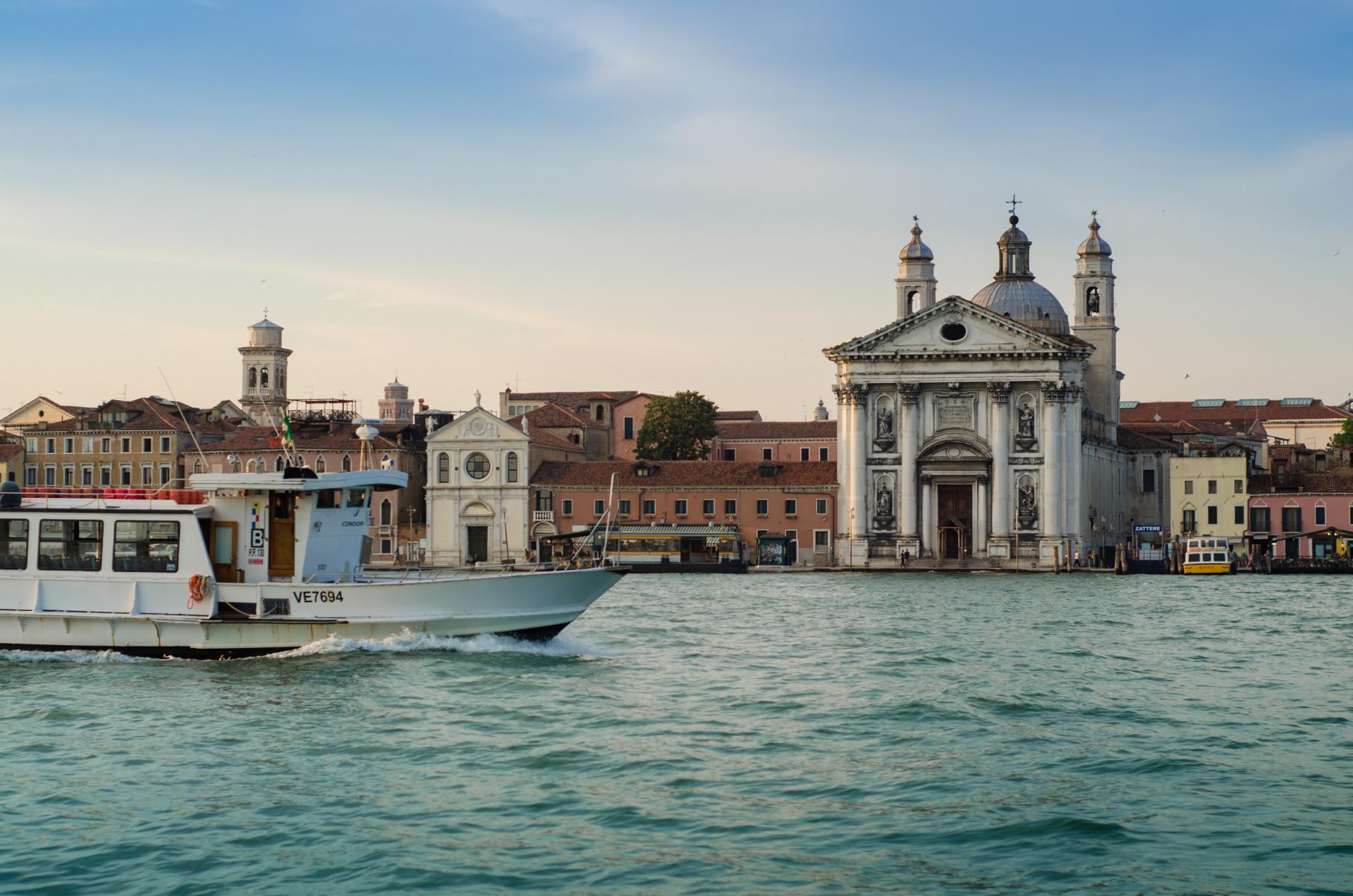

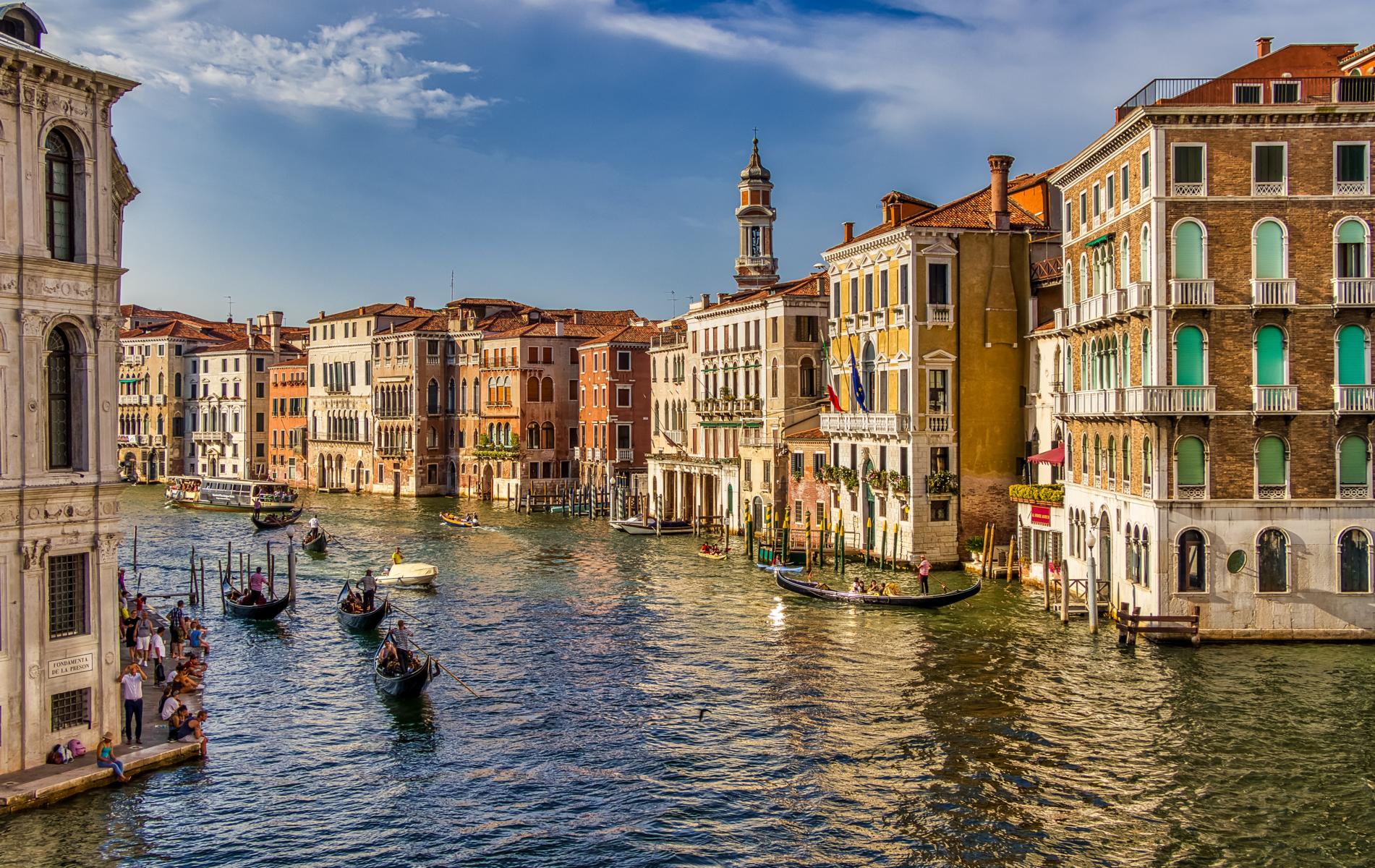


_002.jpg)