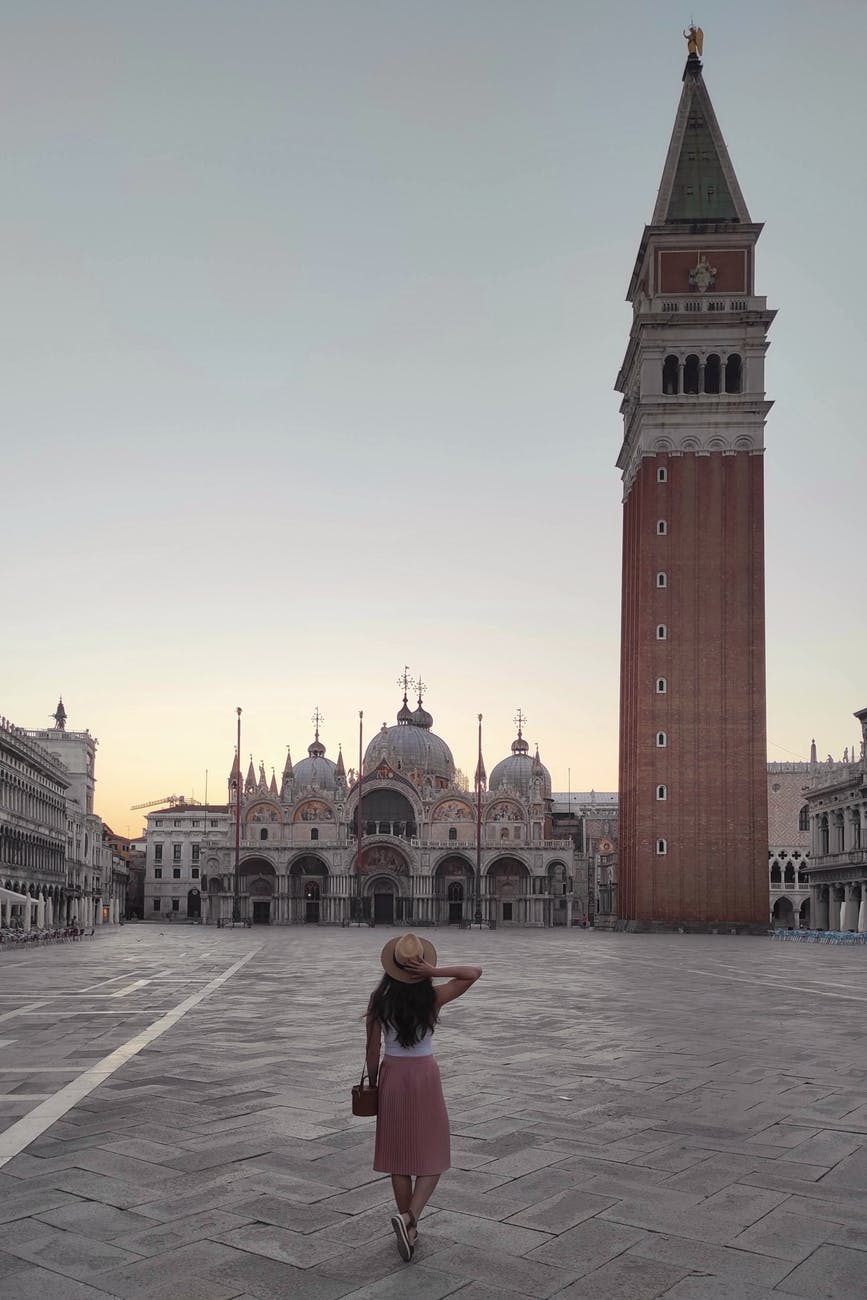
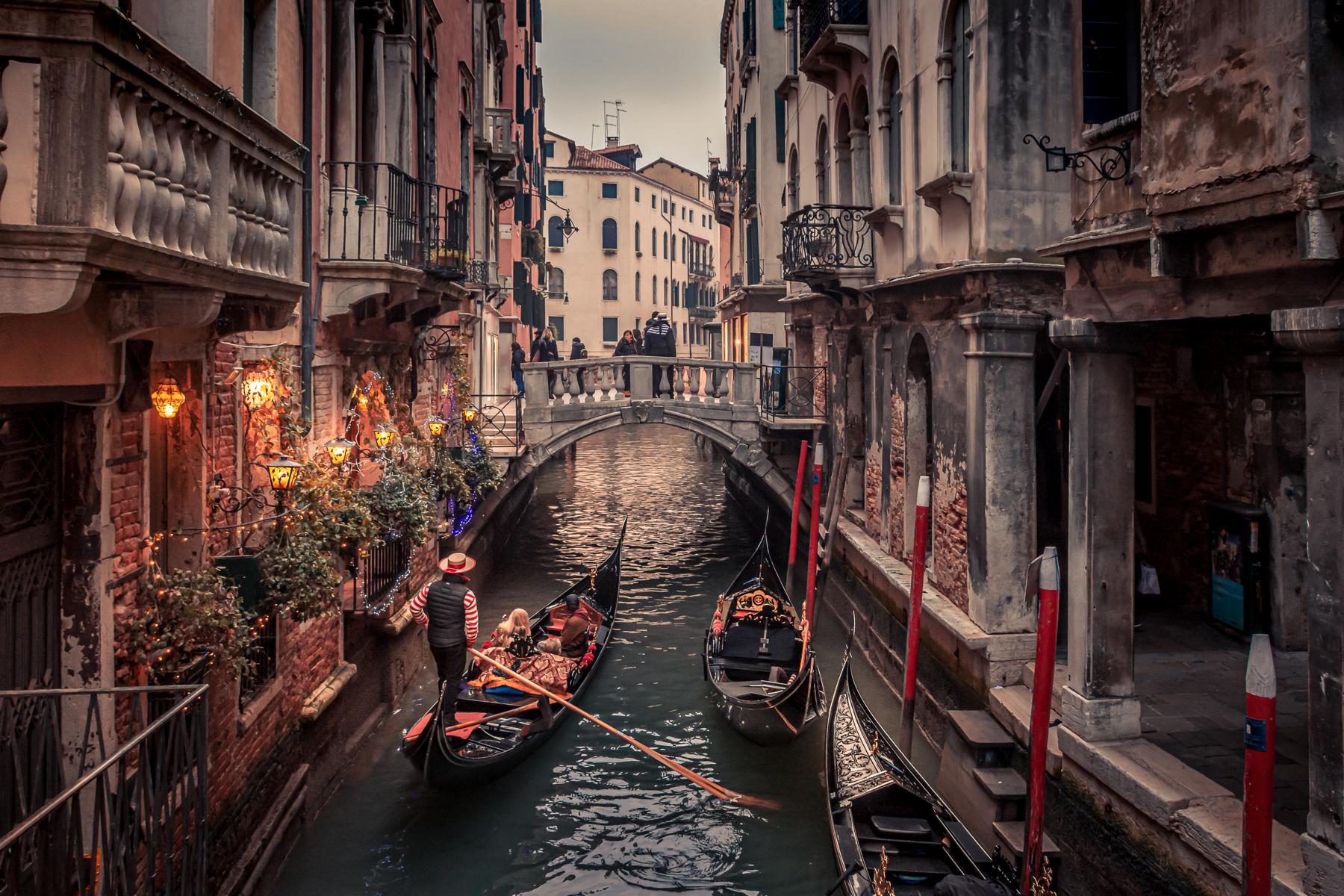
Venice is the perfect destination for a vacation, whether it is a romantic getaway or a day trip. But this beautiful city is not only known for its art and cultural treasures, gondola rides and world famous carnival. It also has a wonderful culinary tradition.
Whatever brings you here, if you are a foodie and love fish, you should not miss the opportunity to enjoy a delicious meal at one of the best fish restaurants in Venice. Indeed, Venice offers an unforgettable culinary experience with dishes prepared with high quality local products and, of course, fresh fish.
You are spoilt for choice when it comes to restaurants where you can enjoy a delicious lunch or dinner. Here are the five best fish restaurants in Venice. It’s best to try them all and find out which is your favorite.
The 5 best fish restaurants in Venice
Osteria Al Cantinon – traditional cuisine of the region
If you want to get to know the authentic Venetian cuisine, the Osteria Al Cantinon is the right address. It is located in the Sottoportego de le Colonete, 2152.
This charming restaurant will impress you with its view of the canal and its traditional dishes prepared exclusively with local ingredients: Here you can “rediscover the simplicity of traditional Venetian cuisine with a few modern reinterpretations”. Ceviche of amberjack, spaghetti with squid ink, twice cooked octopus and fried eel are just some of the delicacies that will delight your taste buds.
Osteria Al Cantinon will be at the top of your list of favorites.
Poste Vecie is another fish restaurant in Venice that you should definitely visit. It dates back to the 16th century, making it one of the oldest, if not the oldest, restaurant in Venice.
It is located in the Rialto fish market in San Polo 1608.
The romantic and elegant restaurant offers the best traditional Venetian cuisine, such as the famous cream cod, granseola (spider crab), squid and other fish specialties.
Sudest 1401 – a combination of local and oriental cuisine
I have to admit that I’m not a fan of fusion cuisine. Nevertheless, oriental dishes often arouse my curiosity, so I came to try Sudest 1401.
The restaurant is located in a Venetian palazzo and offers an intimate and relaxed atmosphere, also thanks to the beautiful garden. It is located in the Palazzo delle Zattere, Dorsoduro 1401.
Sudest 1401 is a little off the beaten tourist track, but it is no less than what you would expect from Venice. Here you can enjoy traditional dishes reinterpreted with skill, such as gnocchi with fondue and red prawns, fried mackerel with saffron sauce, or raw fish dishes such as amberjack, red prawns, scampi and scallops.
Trattoria Anzolo Raffaele – where Venetian and Sardinian cuisine meet.
To name another unusual but extraordinarily delicious culinary combination, at Trattoria Anzolo Raffaele you’ll find Venetian and Sardinian gerischte.
Since both cuisines love fish, don’t miss this delightful trattoria, one of the oldest in the city. Like many locals and tourists, I love the cozy atmosphere and the simple but refined cuisine that combines traditional Venetian cuisine with Mediterranean-Sardinian flavors.
So if you want to try the famous millefeuille with mullet roe, the tagliolini with spider crab or the grilled fish of the day, you should visit the trattoria at Campo dell’Angelo Raffaele, Dorsoduro 1722.
Wisteria – a Michelin star fish restaurant in Venice
No list of the best seafood restaurants in Venice would be complete without a Michelin-starred restaurant like Wisteria.
Located in the heart of Venice at 2908 San Polo, Wisteria’s avant-garde cuisine explores new flavors with products sourced from local farmers using sustainable farming practices.
The restaurant is open for lunch and dinner. It is characterized by its beautiful wisteria plants, hence the name, the dining room, the view of the canal and the excellent fresh fish used for dishes such as pasticcio de pesse, smoked mullet, or the “pink pearl”, oysters from the Po Delta with cream, mignonette sauce and kiwi.
Rialto market under water in Venice, Venezia, Italy.
A book tip for gourmets!
Venice On A Plate: But What A Plate!
Enrica Rocca’s book explores the culinary traditions of Venice, Italy, and features a collection of recipes inspired by the city’s unique cuisine.
The book is divided into sections that focus on different aspects of Venetian food culture, including fish and seafood, vegetables, meat, pasta, and desserts. Each section includes a range of recipes, as well as information on the history and cultural significance of the dishes.
Do you want to learn Italian while enjoying a coffee in Venice?
The most successful language learners get into the habit of studying on a regular basis. 50 Italian Coffee Breaks makes it easy to master a simple routine for improving your Italian by effortlessly integrating it into your soothing daily ritual – from a 5-minute espresso to a 15-minute latte.
One of the many benefits of being in Venice often is that I have many opportunities to meet real Venetians, such as Dimitri and his sons, who run the cute bookbinding shop Karisma.
I can count on these local friends and acquaintances for insider information and to experience Venice like a local.
This post is about food, specifically authentic Venetian specialties, and the typical places where long-time residents and newcomers like to eat.
Venetian Specialties and Restaurants
Real cicchetti
Not only real Venetians eat the infamous cicchetti, the Venetian finger food. The name cicchetti comes from the Latin word ciccus, meaning small quantities, and indeed they are small Venetian specialties.
In particular, slices of bread with sliced or fried cod, including mozzarella in carrozza, breaded sardines, breaded vegetables, meatballs, squid skewers. The best cicchetti are prepared with fresh local ingredients and are seasonal.
Bacari
Bacari, traditional Venetian wine bars, serve cicchetti among other things. Bacaro comes from the old Venetian word bacarar and means to have fun, to celebrate! The most traditional bacari can be found around the Rialto Market.
Cicchetti, typical Venetian finger food
The Spritz – a Venetian invention
Did you know that the Spritz was invented in Venice in the early 19th century? The name comes from the Austrians, as Venice was under Austrian occupation at the time.
Originally, only wine and water were mixed, and legend has it that around 1850, Venetians added a shot of red liqueur to the recipe as a sign of resistance against their Austrian oppressors.
There are now four versions of the drink in Venice: with bitters, with Cynar, with Select, and the most famous with Aperol.
Discovering Venice on your own can be an exciting and rewarding experience. A travel book will be a valuable resource where to look up historical and cultural information, as well as practical information and language tips.
Here you can find my personal recommendations on the best Venice travel guides:
In almost every restaurant you can find the food that is associated with Italy all over the world: Pizza, a thousand kinds of pasta, lasagna, and so on. Sure, Venice is part of Italy, but it was an independent republic for over 1,000 years.
Venice’s culinary history and heritage is quite different from the rest of Italy, in part because Venice was historically more connected to the Middle and Far East than the European continent!
You can eat good pizza in Venice, but it will not be better than in many other places on the mainland. So if you are looking for authentic Venetian specialties, this is the place to be.
A book tip for gourmets!
Venice On A Plate: But What A Plate!
Enrica Rocca’s book explores the culinary traditions of Venice, Italy, and features a collection of recipes inspired by the city’s unique cuisine.
The book is divided into sections that focus on different aspects of Venetian food culture, including fish and seafood, vegetables, meat, pasta, and desserts. Each section includes a range of recipes, as well as information on the history and cultural significance of the dishes.
Do you want to learn Italian while enjoying a coffee in Venice?
The most successful language learners get into the habit of studying on a regular basis. 50 Italian Coffee Breaks makes it easy to master a simple routine for improving your Italian by effortlessly integrating it into your soothing daily ritual – from a 5-minute espresso to a 15-minute latte.
So, what are the authentic Venetian dishes you can try in Venice? If you’re curious about Venetian cuisine but a little sensitive about traditional ingredients like offal, don’t read any further.
Venetian main dishes
Baccalà mantecato alla venexiana – a very delicate stockfish cream, served with polpenta croutons or bread
Fondi di carciofo – artichoke bottoms
Musetto with horseradish – a typical winter sausage, for which mainly the meat of the pig’s head is used, together with the rind and other parts of the animal
Trippa alla venexiana – tripe
Seppie in nero – squid in its own ink
Sarde in salsa – sardines in sauce
Bigoi in salsa – Pasta with onions and cured fish
Pasta e fasioi – pasta with bean sauce, sometimes more like bean soup with pasta
Risi e bisi – rice with peas
Fegato alla venexiana – liver with onions, often with polenta as a side dish
Risotto alla zucca – Pumpkin risotto
Risotto de go’ – mole goby risotto
Calamari fritti – fried calamari
Schie e polenta – Small shrimps served with soft polenta
Lasagne con baccalà – Lasagne with stockfish
Polpette di pesce, carne e verdure – Fish and meatballs with vegetables
Lasagne di pesce – fish lasagna
Fiori di zucca con mozzarella e acciuga – fried zucchini flowers with mozzarella and anchovies
Seppioline grigliate – grilled octopus
And much more
A modern interpretation of grilled squid
Here you can find the best fish restaurants in Venice:
Venetian specialties and desserts, from Venice and surroundings
Tiramisu was invented in Treviso, just 20 minutes by train from Venice.
Zaeti – cornmeal and raisin biscuits; zao is the Venetian word for yellow, the color of cornmeal.
Buranei busolai – traditional biscuits typical of the island of Burano, in the shape of a ring, but there is also a version in the shape of an S, the esse buranei.
Pan del dose – the Doge’s bread: a sweet leavened bread with dried fruit, white wine, honey and butter
Fugassa Venexiana – also known as “Venetian focaccia”: a sweet yeast bread, traditionally prepared and served at Easter.
Fritoe or Frittelle Venexiane – traditional deep-fried Carnival desserts
Galani or Crostoli – fluffy, crunchy and slightly sweet carnival treats
Mameluchi or Mammalucchi – invented at the Pasticceria Targa, like the Crostoli they are also deep fried.
Typische venezianische Getränke
And what are typical Venetian drinks?
Spritz – with Aperol, Select, Bitter or Cynar.
Prosecco – the Prosecco region is very close to Venice
Prosecco Spento – without carbonic acid
Manzoni Bianco Venezia DOC
Soave – a dry white wine
Chardonnay Veneto
Cabernet Veneto
Not to forget the famous aperitif Bellini, invented by the Cipriani family in Harry’s Bar: Bellini is prepared with fresh white peach and Prosecco.
At this point I must confess that I am not a wine drinker and therefore my list of typical wines of the Veneto region is much shorter than it would be in reality, although Veneto is the Italian region that produces the greatest quantity and variety of wines.
Local pumpkins at the Rialto Market. You can find the most delicious pumpkin dishes at La Zucca restaurant.
Bacari, restaurants and pasticcerie and cafes recommended by me
Recently, a reader asked me about the public toilets in Venice, also because the few she found were permanently or temporarily closed.
In this blog article, I will therefore share a few words about the public toilets in Venice, but the most interesting thing will be the map of Venice with the different locations and the alternatives that, in my opinion, are the best option compared to the public toilets in Venice.
The importance of public toilets in Venice – or in any foreign city – is obvious: going to the toilet is an unavoidable biological necessity.
You can find the current state of affairs on the website of Veritas, the city’s environmental hygiene company, on this page. Even though they are now almost all open again, the “almost” unfortunately remains to make their use more difficult.
The prices of public toilets in Venice
The VERITAS toilet pass, valid for 2 or 7 admissions, gives access to manned facilities with toilets and, in some cases, changing rooms/nurseries, located in the historic centre of Venice and on the islands of Murano, Burano and Lido.
On the Venezia Unica website you can buy the recharge card, which saves you the (in any case almost negligible) cost of access to the toilets. Without the Venezia Unica card, entering the public toilets in Venice costs 1.5 euro.
The prices using the Venezia Unica card for the public toilets in Venice are as follows:
It is free for people with disabilities and for children under 110 cm tall. The right to free entry is determined directly by the operator of the public toilets in Venice.
The map of public toilets in Venice, Murano, Burano and Lido
The city map with the public toilets in Venice can be found here:
Santa Lucia train station. There, using the station’s clean and accessible toilets costs one euro, compared to 1.50 euros for other public toilets in Venice.
Piazzale Roma, where Venice airport and city buses arrive.
Accademia, at the foot of the Accademia Bridge on the Dorsuduro side of the Grand Canal (near the Accademia vaporetto stop).
Calle Large dell’Ascensione, which is just beyond the narrow end of St. Mark’s Square. From the square, go through the archway, turn right and look for the restrooms (located in a short alley on the left side of the pedestrian area).
Giardini ex reali San Marco. This restroom is right on the waterfront, not far from the San Marco Giardinetti vaporetto and airport boat stop.
Tronchetto Park Island if you are arriving or departing by car or bus. The last time we were there, the public toilets were 50 cents cheaper than in the city center.
Lido di Venezia, Venice’s beach resort. The public restrooms in Venice are located in a modern building next to the Santa Maria Elisabetta ACTV station.
The public toilets in Venice, Murano, Burano and Lido
In Venice, Mestre and Murano, there are several department stores and shopping centers with public restrooms in Venice for customers.
If you’re in Dorsoduro, go to Ca’ Rezzonico near the vaporetto stop and use the impeccably maintained restrooms in the lobby. The restrooms are free even if you don’t visit the museum upstairs, and they’re located next to the gift store and checkroom on the first floor.
Otherwise, there is always the option of using the restrooms in Venice at a café or bar. So far, this has never been a problem when I’ve asked nicely, and certainly not when I’ve ordered an espresso (“un caffé”) at the counter.
Do you want to discover Venice on your own?
Discovering Venice on your own can be an exciting and rewarding experience. A travel book will be a valuable resource where to look up historical and cultural information, as well as practical information and language tips.
Here you can find my personal recommendations on the best Venice travel guides:
I love breakfast in Venice. My favorite time to leave the house is at sunrise and go to one of the many cafes that make Venice so unique. Breakfast in Venice is special for many reasons:
Tradition: Venice has a long history and a rich culinary tradition, which is also reflected in its breakfast cuisine. The city is known for its pastries, including cornetti, brioche and lots of sweet stuff, but also for savoury dishes like frittata and panini. Many Venetians still enjoy a traditional breakfast at a local café or bakery.
Quality ingredients: Venice is surrounded by fertile land and seas that provide an abundance of fresh, high-quality ingredients. Many of Venice’s breakfast dishes are made with locally sourced ingredients, such as eggs from nearby farms, freshly caught seafood and locally sourced cheeses and meats.
Coffee culture: Italians are known for their coffee culture, and Venice is no exception. The city has a long tradition of coffee roasting and brewing, and many Venetians start their day with a strong espresso or cappuccino.
Setting: Breakfast in Venice is often taken in charming cafés or bakeries that offer beautiful views of the city’s canals, bridges and historic buildings. This creates a unique and memorable experience for visitors and locals alike.
All in all, breakfast in Venice is special because it combines tradition, quality ingredients, coffee culture and a beautiful landscape to create a truly unique culinary experience.
Where to have breakfast in Venice: the best cafès and pasticcerie
Venice has many great places for breakfast, from traditional cafes to modern bakeries. Here are some options for you to consider:
Torrefazione Cannareggio: Located in the Cannaregio neighborhood, this traditional coffee roaster and café offers high-quality coffee and a delicious breakfast menu. There’s a great selection of freshly baked pastries and savory dishes, and the cozy atmosphere makes it a great place to start the day.
Pasticceria Tonolo: This bakery in the Dorsoduro district is known for its delicious pastries and cakes, including the famous Venetian sweet bread, Focaccia Veneziana. Coffee and tea are also available, making it an ideal place for breakfast or a mid-morning snack.
Rosa Salva: This historic café in the San Marco district has been serving coffee and pastries since 1879. It offers a wide selection of sweets, including traditional Venetian pastries and modern creations, as well as coffee and tea.
Caffè Florian: Located in the famous St. Mark’s Square, this is one of the oldest coffee houses in the world, dating back to 1720. It serves a variety of breakfasts, including croissants, cakes and coffee, and the elegant atmosphere and beautiful views make it a unique and memorable experience.
Pasticceria Dal Mas: This bakery in the Santa Croce district is known for its traditional Venetian pastries, including baicoli (long, thin cookies), bussolai (buttery, ring-shaped cookies) and zaletti (polenta-based cookies). Coffee and tea are also available, making it an ideal place for breakfast or a mid-morning snack.
These are just a few options, but there are many other great places to have breakfast in Venice. Whether you’re looking for traditional or modern cuisine, a cosy café or a historic setting, there’s something for everyone.
Torrefazione Cannareggio
A delicious Italian breakfast at the Torrefazione Cannareggio
Breakfast at Torrefazione Cannareggio in Venice is a good idea for several reasons:
First, Torrefazione Cannareggio is a traditional coffee roaster and café that offers high-quality coffee and a delicious breakfast menu. The café is located in the historic Cannaregio district, known for its picturesque canals and charming streets, making it a nice place to start your day.
Second, the café offers a welcoming and cozy atmosphere with indoor and outdoor seating. You can sit inside and admire the old coffee roaster or enjoy your breakfast outside overlooking the hustle and bustle of Venice and the canals.
Third, Torrefazione Cannareggio is a great place to try some of the traditional Venetian breakfast dishes. They serve a variety of freshly baked pastries such as cornetti, ciambelle and cakes made with local ingredients.
Plus, the café is off the beaten track so you can enjoy an authentic Venetian experience. You can start your day like a local, sipping coffee and enjoying delicious food while watching Venetians go about their daily lives.
In conclusion, breakfast at Torrefazione Cannareggio in Venice, Italy is a great idea because of the quality coffee and food, the cozy atmosphere, the traditional Venetian dishes, and the authentic local experience.
Staying in a Venice hotel is the perfect way to enjoy all that the lagoon city has to offer. Then you can explore late at night and early in the morning when most of the tourists have left!
I now prefer to use Booking.com to find the right accommodation for my travels. The reviews of other travelers help me find the hotel that suits me best.
Hotel Rialto* is my first choice when I need a hotel in Venice: it is located in the center of Venice, right next to the Rialto Bridge, and from there you can easily reach every corner of the city.
Pasticceria Tonolo is a popular bakery located in the Dorsoduro district of Venice, Italy. It has been serving delicious pastries and baked goods to locals and visitors for over 50 years and is considered by many to be one of the best bakeries in the city.
The bakery is best known for its traditional Venetian sweets, including the famous Venetian sweet bread, Focaccia Veneziana. This sweet bread is a soft, fluffy and buttery cake, often filled with pastry cream or jam and sprinkled with powdered sugar. Pasticceria Tonolo’s version is particularly delicious and a must for anyone having breakfast in Venice.
In addition to Focaccia Veneziana, Pasticceria Tonolo offers a wide selection of other sweet treats such as pastries, cakes, biscuits and more. There are also savory items such as sandwiches and panini, as well as coffee and tea to go with your meal.
The bakery has a cozy and welcoming atmosphere with a small seating area inside and outside. Pasticceria Tonolo is very popular with locals and tourists and can get quite busy at peak times, so it’s best to arrive early to avoid the crowds.
All in all, Pasticceria Tonolo is a must for anyone with a sweet tooth visiting Venice. The delicious traditional Venetian desserts, cozy atmosphere and friendly service make Pasticceria Tonolo a favorite among locals and visitors alike.
Pasticceria Rosa Salva is a historic café located in the heart of Venice, Italy. Founded in 1879 by the Salva family, it has been serving coffee and pastries to locals and visitors for over 140 years.
The café is located in the San Marco district of Venice, just steps away from the famous St. Mark’s Square. It has an elegant and refined atmosphere with high ceilings, chandeliers and marble floors. The walls are decorated with antique mirrors, paintings and photographs, creating a unique and unforgettable atmosphere in which to enjoy a cup of coffee or tea during your breakfast in Venice.
One of the highlights of Café Rosa Salva is the selection of traditional Venetian pastries, including baicoli (long, thin cookies), bussolai (buttery, ring-shaped cookies), and zaletti (polenta-based cookies).
In addition to traditional Venetian treats, Café Rosa Salva also offers a selection of modern pastries and cakes, including gluten-free and vegan options. There is also a small but fine menu of panini, salads, and other light dishes.
Overall, Café Rosa Salva is a must for anyone who appreciates history, culture and good food. The beautiful setting, traditional Venetian sweets, and friendly service make it a favorite among locals and tourists alike.
Although having breakfast in Venice at Caffè Florian is one of the most expensive cafes in Venice, it is also one of the most beautiful and famous.
Caffè Florian is a historic coffee house located in the famous St. Mark’s Square in Venice, Italy. It is one of the oldest and most famous coffee houses in the world, dating back to 1720. Over the centuries, it has hosted artists, writers, and intellectuals, becoming a cultural and social center of the city.
The café’s elegant and opulent interior is decorated with Murano glass chandeliers, antique mirrors and paintings. The outdoor area offers stunning views of St. Mark’s Square and the Basilica and is the perfect place to relax and people watch.
Caffè Florian in Venice is known for its excellent coffee, served in traditional silver cups, and its wide selection of pastries, cakes and other sweet treats. The menu includes traditional Venetian desserts such as bussolai and baicoli, as well as modern creations. The café also serves light meals such as salads and sandwiches, as well as a selection of cocktails and other drinks.
In addition to food and drinks, Caffè Florian is also known for its cultural events, such as art exhibitions, concerts and literary readings. Caffè Florian also offers a wide range of souvenirs, including the characteristic coffee and tea blends and porcelain cups.
In short, Caffè Florian is a must for anyone who wants to experience the history, culture and elegance of Venice. The stunning location, the delicious food and drinks, and the rich cultural heritage make Caffè Florian one of the most famous and popular places in the city.
Believe it or not, there is an extensive protocol for ordering coffee in Italy. The many rules of conduct are actually very folkloristic and are part of everyday social behaviour in Italy.
In fact, a completely different code prevails within one’s own four walls, not least because coffee is usually prepared in a coffee pot (in Italian: bialetti, caffettiera or moka). Their options are limited and so they usually serve either moka coffee straight or with milk, regardless of the time of day.
In this article you will find my observations, which can also serve as a flexible guide to ordering coffee in Italy like an Italian.
Pasticceria Dal Mas in Venice is a charming bakery located in the Cannaregio district of Venice, Italy. It has been providing locals and visitors with delicious pastries, cakes and other sweet treats since 1980.
The bakery is best known for its traditional Venetian pastries, such as baicoli and zaletti, made with high-quality ingredients and traditional methods. The zaletti in particular are a must, as they are made with corn flour, sultanas and pine nuts and have a delicious, unique taste and texture.
In addition to the traditional Venetian pastries, Pasticceria Dal Mas also offers a wide range of other sweet delicacies such as cakes, biscuits and chocolates. There is also a small but fine savory menu with panini, quiches and other light dishes.
The bakery has a cozy and welcoming atmosphere with a small indoor and outdoor seating area. The staff is friendly and knowledgeable, happy to make recommendations and answer questions about their products. I am sure you will enjoy your breakfast in Venice there.
All in all, Pasticceria Dal Mas is a must for anyone who loves sweet treats and wants to experience the traditional flavors of Venice. The high quality ingredients, traditional recipes and friendly service make Pasticceria Dal Mas a favorite with locals and visitors alike.
Enrica Rocca’s book explores the culinary traditions of Venice, Italy, and features a collection of recipes inspired by the city’s unique cuisine.
The book is divided into sections that focus on different aspects of Venetian food culture, including fish and seafood, vegetables, meat, pasta, and desserts. Each section includes a range of recipes, as well as information on the history and cultural significance of the dishes.
Discovering Venice on your own can be an exciting and rewarding experience. A travel book will be a valuable resource where to look up historical and cultural information, as well as practical information and language tips.
Here you can find my personal recommendations on the best Venice travel guides:
Do you want to learn Italian while enjoying a coffee in Venice?
The most successful language learners get into the habit of studying on a regular basis. 50 Italian Coffee Breaks makes it easy to master a simple routine for improving your Italian by effortlessly integrating it into your soothing daily ritual – from a 5-minute espresso to a 15-minute latte.
The title of this blog article sounds very pretentious, I know. I’m sure you’ve been south of the Alps a lot of times and have managed to get the caffeinated drink. In this blog post, I would like to explain to you the comprehensive protocol for how to order coffee in Italy.
So why this text? On the one hand, I want to share with you some of the things I notice during my sporadic trips to Italy as an Italian expat living abroad for over 20 years; on the other hand, I find it helpful to behave like the locals in order to make contact with them more easily and not be immediately labeled as a tourist.
Believe it or not, there is an extensive protocol for ordering coffee in Italy. Since I left Italy when I was twelve, it’s understandable that I wasn’t interested in coffee and its unspoken rules of behavior. That’s why it was all the more exciting for me to observe how my fellow countrymen order which coffee and when, because the whole procedure was not a matter of course for me.
There is something very folkloric about the many rules of how to behave, which are just part of everyday social behavior in Italy. In fact, there is a completely different code within one’s own four walls, also because coffee is usually prepared in a coffee pot (in Italian: bialetti, caffettiera or moka). Their options are limited, and so they usually serve either moka coffee straight or with milk, regardless of the time of day.
Below are my observations, which can also serve as a flexible guide to ordering coffee in Italy like an Italian – or an Italian woman.
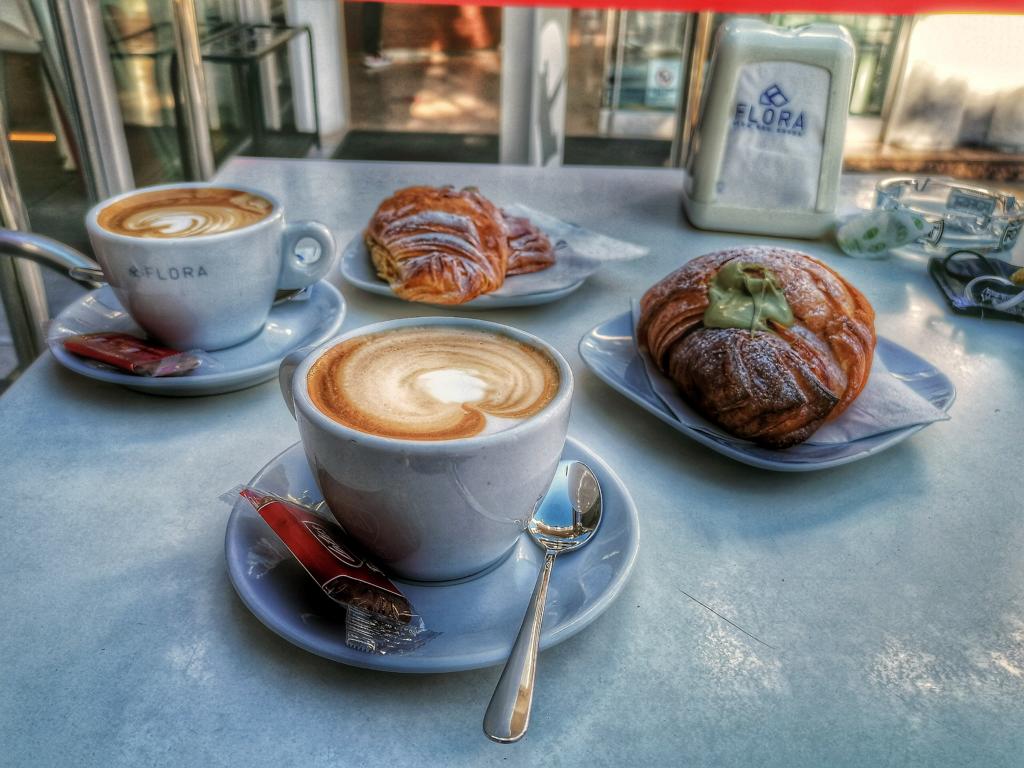
A usual breakfast in Italy includes coffee and sweet pastries. Here is a homemade ciambella in Venice.
The origin of my interest in coffee
The internalization of coffee culture among young people in Italy takes place during their teenage years. In the course of my observations, I was able to identify two behaviors among my Italian peers that only develop during adolescence: meeting friends for aperitifs and going to the most popular cafés in town and drinking coffee like the adults there.
I was never exposed to this socialization in Germany, so I hardly knew anything about Italian coffee etiquette. My few experiences with coffee as a child were limited to slurping cappuccino milk foam, which often led to me ordering cappuccinos in the afternoons when I was ten and eleven (no wonder I ended up in Germany years later).
It wasn’t until I started studying agricultural science that my curiosity about coffee was piqued, when I took a course on the cultivation of coffee and cocoa. I was quickly fascinated by the science behind the production of a seemingly simple hot beverage!
Bialetti is probably the most famous Italian company that creates moka coffee machines and exports them all over the world.
Breakfast in Venice
Are you in Venice and looking for a recommendation for a good café with delicious food? Here are my favourites and helpful information to enjoy the best coffee in the lagoon city.
If you are interested in coffee and its history, I can recommend the following books:
The World Atlas of Coffee: From Beans to Brewing – Coffees Explored, Explained and Enjoyed
In The World Atlas of Coffee: From Beans to Brewing – Coffees Explored, Explained and Enjoyed*, the origins, the growing areas, the harvest and every step of the production process are explained very well and the coffee plant as well as the different varieties are explained clearly. The path from the bean to the cup as well as all the possibilities of roasting and brewing are described in detail.
This unusual approach guides you on a journey from coffee farmer to roaster, market analyst to barista, in a style that is both rigorous and experience based, universally relevant and personally engaging. From on-farming processes to consumer benefits, you are given a deeper appreciation and understanding of coffee’s complexity.
Let’s start with the coffee (drink) options in Italy. If you like to drink coffee in the many chain stores like Starbucks, Coffee Fellows, etc., you are used to an extensive coffee menu, often with up to twenty items.
In most Italian cafes, however, the selection is much smaller. The following drinks are the most common.
Caffè
A simple espresso served in a thimble-sized cup. Sometimes espresso is served in a glass, partly because of the emphasis on presentation and partly because it cools faster and is easier to drink. It comes with a tiny spoon and sugar, and if you’re really lucky, a little cookie.
The word “espresso” is not normally used by Italians to order coffee in Italy – it is the name given to the process of making coffee on the large portafilter machines, not the drink itself. That’s why Italians simply say “un caffè“.
Caffè doppio
A word about double coffees: If you want a double espresso (“caffè doppio“), I recommend ordering two single caffès instead. First, the locals don’t tend to drink a double espresso, and second, the double takes twice as long in the cup; I prefer to drink two freshly made Italian caffés.
Caffè lungo
A caffè lungo contains a little more water: this softens the intensity of the espresso and I can sip it a little longer. This coffee also comes in a tiny cup, but it is now full to the brim.
Caffè ristretto
A caffè ristretto is the opposite of a caffè lungo: a condensed coffee that tastes anything but mild. Hardly any water is used – good for the environment! – but the caffeine concentration is very high. It’s not for me.
Caffè decaffeinato
The decaffeinated coffee is suitable for those who do not want to give up a good coffee, but prefer to drink it decaffeinated.
Caffè d’orzo
Caffè d’orzo, Italian for “barley coffee” and often shortened to simply orzo or barley coffee, is a decaffeinated, roasted grain beverage made from ground barley. It is an espresso-like beverage that, when made directly from roasted barley, is easily prepared in typical espresso machines and coffee makers.
In Italy, Caffè d’Orzo is prepared in traditional Italian espresso machines in cafes. At home, Italian families tend to make it with an orziera, a special moka pot designed for barley.
Despite the name, Caffè d’Orzo contains no coffee, only barley, and is gluten-free.
Caffè macchiato
A caffè macchiato is basically an espresso with a shot of milk foam. Of course, it’s served in a small cup.
Caffè Latte
A caffè latte is coffee with milk, i.e. coffee in a large cup with cold milk.
Cappuccino
Probably the Germans’ favorite drink on vacation, no matter where they are. A cappuccino is the perfect combination of espresso and frothed whole milk.
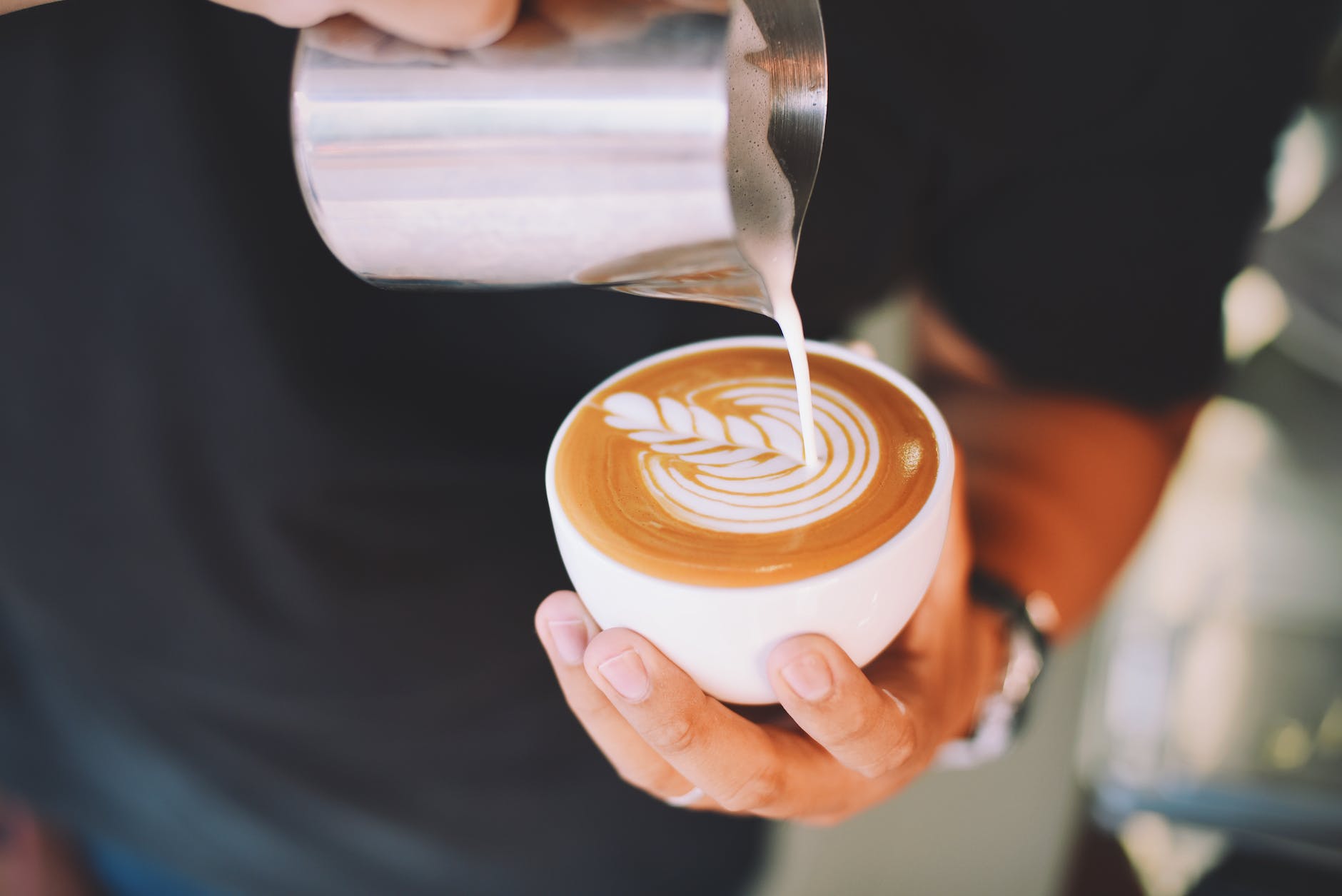
It is served in a standard cup: There are no large or small cups, except in places frequented by tourists. The coffee is poured into the cup first, followed by the milk. Since the milk foam is a little heavier than the cream of the espresso, it lifts it up and offers the opportunity to use the combination of white background and light brown surface as a drawing surface.
The real art is to create a semi-solid and uniform foam. The enthusiasm and passion for latte art is so great that annual latte art championships are held all over the world.
Cappuccino in Italy is usually served without foam figures, but sometimes I find a barista who is a true artist.
Latte macchiato
This is the reverse version of a cappuccino: milk with a shot of espresso. What is important here is the order in which the milk and coffee are mixed. In Italy, the milk foam is poured into the glass first – yes, latte macchiato is always drunk in a glass – and then the coffee.
The special feature of the latte macchiato is the many coloured layers that come from the heated and frothed milk.
And what about all the flavours and plant-based milks?
Meanwhile, in Italy, it is not only easy to find plant-based milk substitutes, but they are completely accepted. Soy milk froth is also almost indistinguishable from cow’s milk froth; only the barista will know your secret.
If you want some sugar in your coffee, just use sugar. Hazelnut, vanilla and other artificial flavors are the domain of Starbucks and Co.
And finally: Caffè corretto
You may be pleased to learn that the only acceptable way to dilute your own coffee is by adding schnapps.
If that’s your thing, ask for a caffè corretto. But even here there are some rules. The two main alcoholic drinks used to enhance coffee in Italy are brandy and grappa.
A few words of caution. First, brandy comes in its own full-sized glass, which you usually dip into your coffee. Second, caffè corretto is often drunk in the morning.
When do I drink coffee in Italy – and what kind?
Cafés usually offer a glass of water with the coffee, but sometimes I have to ask for it.
Knowing which coffee to choose is only half the battle. It is still important to know which coffee is appropriate when. You probably know that ordering a cappuccino after lunch is the fashion equivalent of wearing socks and sandals. (But a cappuccino is always delicious, no matter what time of day.)
A very simple rule of thumb is: in Italy, don’t order coffee in Italy with milk after lunch. By and large, this is the only rule that is followed from Sicily to South Tyrol.
However, it is not forbidden to order a cappuccino in the afternoon. However, it is like being a tourist in a foreign country who does not know the place.
Do you want to learn Italian while enjoying a coffee in Venice, Florence or at your favourite Italian cafè?
The most successful language learners get into the habit of studying on a regular basis. 50 Italian Coffee Breaks makes it easy to master a simple routine for improving your Italian by effortlessly integrating it into your soothing daily ritual – from a 5-minute espresso to a 15-minute latte.
Here are my top tips for ordering coffee successfully and like a local
How can I order coffee in Italy?
What’s missing is the actual order.
Italians still drink their coffee in (new) old-fashioned bars and have not yet acquired a taste for hip 21st-century coffee shops. Such bars are easily recognized by the fact that they are lined with people sipping a tiny cup of strong coffee.
Many bars do not offer table service. That’s why it’s important to jump into the fray; gesture, raise your hand, get the attention of the barista or waitress, wait to make eye contact, and shout your order confidently.
For comparison, here are the cups for cappuccino and espresso side by side under a portafilter machine.
How to pay for coffee in Italy
I know, I know. You think: Claudio, you’re crazy. I know how to pay for a coffee, and in Italy it’s no different than in Germany. But it’s not that easy in Italy.
In many Italian bars, when you order coffee in italy, you get a little slip of paper that serves as your bill. Then you get your order, and when you’re done, you pay the bartender or cashier.
In some cases, however, you pay in advance when you order. If the pub is a bit bigger, you order your drinks at the cash register, pay the cashier and then go to the bar with the receipt and tell the bartender what drinks you want if they are not listed on the receipt.
How do I know if I have to pay at the bar or the cashier? I have a simple tip for this: I usually stand there for a minute, watch the locals order, and do the same. Worst case scenario, you order your drink and are told you have to pay first.
That was a successful breakfast at my favourite coffee roastery in Venice, the Torrefazione Cannareggio.
How I drink coffee in Italy
Let’s recap: You know what coffee you want to drink and you’ve already figured out when and where to pay. With coffee in hand, you want to sit down and sip your drink, correct?
Wrong, because coffee for Italians is a quick drink that you take standing up at the counter. For me, enjoying a coffee is often a moment to relax, savour the delicious taste and observe the people around me. While many cafés in Italy offer a place to sit down, especially in tourist areas, this is not the way of the locals.
At the bar or counter is the life of the people on the go, indulging in a little caffeinated indulgence between one appointment and another. Sometimes, however, I see older people sitting at a small table in a corner, either having animated discussions about the football match in progress, or keeping a meaningful silence and sipping their very Italian coffee.
Conclusion
It is considered unacceptable to mix coffee and milk after lunch, but it is perfectly fine to have a shot with breakfast. Great!
Order coffee in italy, pay for coffee in italy, finally caffè corretto, when do i drink which coffee. drink coffee in italy, coffee types in italy with frothed milk. Caffè espresso: classic and simple italian. Caffè Macchiato: Espresso with frothed milk. Cappuccino: the most famous Italian drink. double espresso with frothed milk. Latte Macchiato: single espresso with milk in a glass. Caffelatte: cappuccino without foam. Caffè Decaffeinato: decaffeinated coffee. Caffè Lungo, caffé doppio, Caffè Marocchino. Caffè Corretto: with a shot of alcohol – grappa, sambuca, brandy. On the travel photography blog of Claudio Salvati Photography.
The retrospective Vittore Carpaccio in Venice opens on 18 March and will be on show until 18 June. The exhibition is curated by Peter Humfrey, a specialist on the painter and his environment, in collaboration with Andrea Bellieni, member of the board of directors of the Musei Civici di Venezia and director of the Correr Museum, and Gretchen Hirschauer, curator of Italian and Spanish painting at the National Gallery of Art in Washington.
With this magnificent exhibition, based on discoveries and new attributions, as well as extraordinarily revealing restorations, we can offer the public and scholars an updated historical-critical reinterpretation of Carpaccio’s painting and its evolution, from the beginnings to the late works, which are usually neglected by critics.
Andrea Bellieni, Director of the Correr Museum
Many of the works on display are on loan from museums, churches, institutes and private collections in Europe and the United States. These works are essential to offer a tour that documents the evolution of Carpaccio’s art in the most objective and complete way.
His works, perhaps more than those of any other Venetian Renaissance artist, embody the essence of “Venetian”, that is, the opulent spectacle and mythology of the Serenissima, which was then at its economic and cultural zenith. With this exhibition, Venice also celebrates its history, its tradition and one of its most famous painters, who through his art tells us about the city and its beauty, giving us images of everyday life from a past that comes alive again.
Luigi Brugnaro, Mayor of Venice
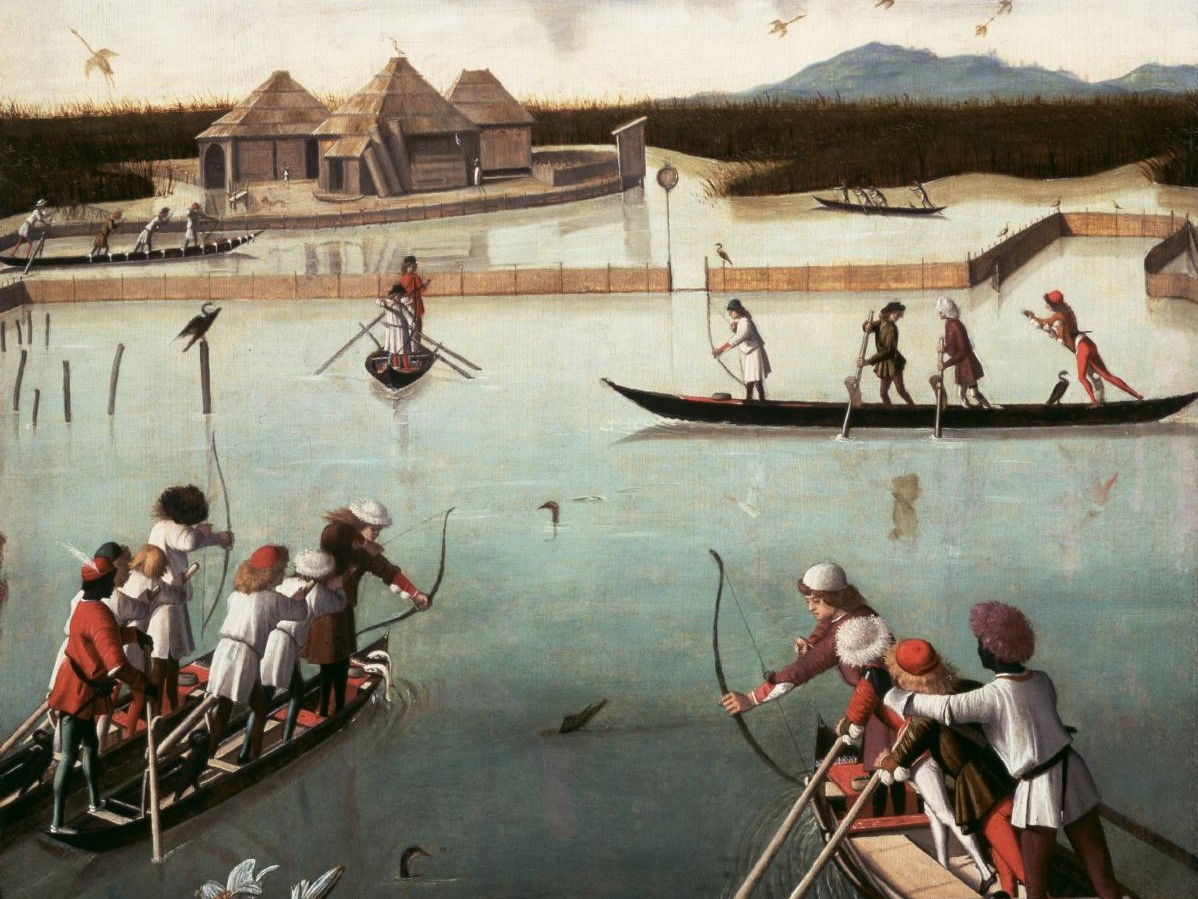
45 paintings with religious, profane or genre themes illustrate the artist’s great imagination, narrative and descriptive skills, as well as his skilful painting technique. A striking core of drawings, on the other hand, demonstrates his particular ability to ‘study’ reality in detail, revealing his interest in nature, perspective, the customs of his time and the effects of light.
Prices and opening hours of the exhibition Vittore Carpaccio in Venice
Until March 17, 2023, one day before the opening of the exhibition, tickets cost only 10 euros instead of 13.
The exhibition can be visited from March 18, 2023 to June 18, 2023. In March from 9 am to 6 pm, from April from 9 am to 7 pm. Last admission always until one hour before closing.
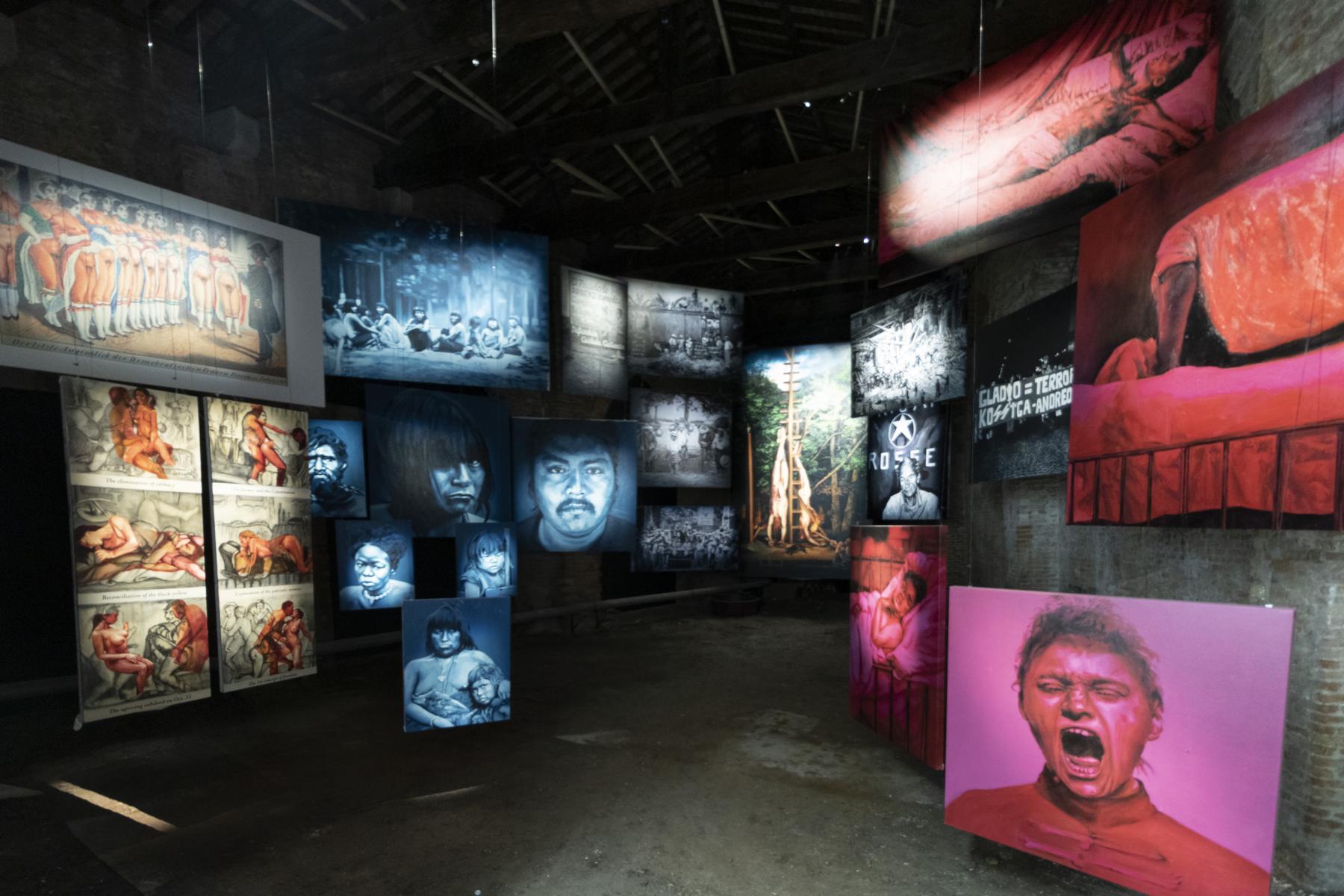
Welcome to the exciting world of the Venice Biennale, one of the oldest and most prestigious art exhibitions in the world. Held every two years in the beautiful lagoon city of Venice, the Biennale is a celebration of contemporary art, architecture, cinema, dance, music and theatre that brings together artists and creatives from around the world.
Held every two years in Venice, the Biennale consists of two main events: the International Art Exhibition and the International Architecture Exhibition. These two events differ in focus and scope and are organised by different bodies within the Biennale organisation.
In this blog post, I’ll take you on a journey through the history and significance of the Venice Biennale and give you some insider tips on what not to miss during your visit. So buckle up and let’s explore the fascinating world of the Biennale di Venezia!
The best accommodation for your visit to the Venice Biennale
There are many great hotels in Venice that are suitable for a visit to the Biennale, depending on your preferences and budget.
Here are some options:
Belmond Hotel Cipriani*: This luxury hotel is located on Giudecca Island, just a short boat ride from the Biennale venues. It offers stunning views of the lagoon and a quiet retreat from the crowds of Venice.
Hotel Danieli*: This historic hotel is located in the heart of Venice, a short walk from the Biennale venues in the Giardini. It offers elegant rooms and suites and a rooftop terrace with panoramic views.
JW Marriott Venice Resort & Spa*:This luxury hotel is set on its own private island, just a short boat ride from the Biennale venues. It offers a tranquil retreat and breathtaking views of the lagoon.
Hilton Molino Stucky Venedig*: This modern hotel is located on Giudecca Island, a short boat ride from the Biennale venues. It offers spacious rooms and suites and a rooftop terrace with panoramic views.
Hotel Excelsior Venedig*: This luxury hotel is located on Lido Island, a short boat ride from the Biennale venues. It offers elegant rooms and suites and a private beach.
If you are looking for the cheapest hotels in Venice, here is my personal selection
These are just some of the options, and there are many other great hotels in Venice suitable for a visit to the Biennale. It is important to book your accommodation well in advance, as the city can get very crowded during the Biennale.
Biennale di Venezia 2019: May you live in interesting times.
The Venice Biennale today
The Venice Biennale has a long and eventful history and has become one of the most important cultural events in the world. Today, the Venice Biennale is still considered one of the most important cultural events in the world. It attracts thousands of visitors from all over the world, including art collectors, curators, critics and enthusiasts.
Facts and figures about the Venice Biennale
The Venice Biennale is held every two years, usually from May to November. It takes place in various locations around the city, including the Giardini, a public park that houses the main exhibition pavilions, and the Arsenale, a former shipyard that has been converted into a huge exhibition space.
One of the most exciting aspects of the Venice Biennale are the National Pavilions. These are solo exhibitions organised by each participating country and set up in pavilions in the Giardini Park. Each pavilion is curated by a team of experts from that country and offers a unique perspective on that country’s art and culture.
In addition to the national pavilions, the Biennale also features a main exhibition curated by an international team of experts. This exhibition usually has a theme or concept that reflects current trends and issues in contemporary art.
In addition to the main exhibition, which features works by artists from around the world, the Biennale also offers a series of side events and special exhibitions. These take place in galleries, museums and other venues throughout the city, offering visitors the opportunity to see a wide variety of contemporary art.
The Venice Biennale is not just about the visual arts. It also includes exhibitions on architecture, film, dance, music and theatre, as well as a series of special events, lectures and performances.
The Biennale awards several prizes, including the Golden Lion for the best national pavilion, the Golden Lion for the best artist in the international exhibition and the Silver Lion for promising young artists. These awards are very prestigious and can greatly boost an artist’s career.
Venice Biennale 2022: The Milk of Dreams
Tips and tricks for your visit to the Biennale di Venezia
The Venice Biennale can be overwhelming, with so much to see and do. Here are some tips to help you get the most out of your visit:
Plan ahead: Take some time to research the Biennale and decide which pavilions and exhibitions you want to see. You can find information on the Biennale’s official website or in travel guides.
Start early: The Biennale can be very busy, so it’s a good idea to start your day early to avoid long queues and crowds. The pavilions in the Giardini usually open at 10am, so try to arrive shortly after.
Wear comfortable shoes: The Biennale is spread over several locations in Venice, so you’ll be doing a lot of walking. Wear comfortable shoes and dress for the weather.
Take breaks: it’s easy to get overwhelmed by all the art and information at the Biennale, so be sure to take breaks and take time to rest and recharge.
Explore the area around the Biennale: Although the Biennale is the main attraction, there is plenty to see and do in Venice outside of the exhibition. Take some time to explore the city’s museums, galleries and historic sites.
Keep an open mind: The Venice Biennale is a showcase for innovative contemporary art, which means some of the works may be challenging or unusual. Try to keep an open mind and visit the exhibition with curiosity and a spirit of discovery.
If you follow these tips, your visit to the Venice Biennale will be an enjoyable and rewarding experience.
Venice Biennale 2019: May you live in interesting times.
The two Venice Biennale
There are two major Biennale events that take place in Venice every two years: the International Art Exhibition and the International Architecture Exhibition. These events have different focuses and areas and are organised by different bodies within the Biennale organisation.
The International Art Exhibition, also known as the Venice Art Biennale, is a prestigious contemporary art exhibition featuring works by established and emerging artists from around the world. It takes place at various venues in Venice, including the historic Giardini della Biennale.
The International Art Exhibition, also known as the Venice Biennale, is one of the oldest and most prestigious contemporary art exhibitions in the world. It features works by established and emerging artists from around the world and is curated by a different curator for each edition. The exhibition takes place in the historic Giardini della Biennale and other venues in Venice.
To the official website of the Art Biennale in Venice:
The international architecture exhibition in Venice
The International Architecture Exhibition, also known as the Venice Architecture Biennale, is a showcase for contemporary architecture and design from around the world. It features installations, exhibitions and pavilions by architects, designers and urban planners from different countries. The Architecture Biennale takes place in the same venues as the Art Biennale and is also curated by a different curator for each edition.
To the official website of the Architecture Biennale in Venice:
In addition to these main events, there are several other biennales in Venice, including the Venice Film Festival, the Venice Theatre Biennale and the Venice Music Biennale. These events have different themes and focus on different aspects of the arts and are organised by different bodies within the Biennale organisation.
Venice Film Festival: The Venice Film Festival, also known as the Venice International Film Festival, is the oldest film festival in the world. It takes place every year at the end of August or the beginning of September and showcases a range of international films in various categories, including feature films, documentaries and short films.
Venice Theatre Biennale: The Venice Theatre Biennale, also known as the International Festival of Contemporary Theatre, is a showcase for contemporary theatre from around the world. Held every two years in Venice, it features performances, workshops and discussions with theatre professionals and artists.
Venice Music Biennale: The Venice Music Biennale, also known as the International Festival of Contemporary Music, is a showcase for contemporary music from around the world. It features concerts, performances and other events that explore different musical styles and genres.
Venice Dance Biennale: The Venice Dance Biennale is an international festival of contemporary dance that brings together renowned choreographers, dancers and companies from around the world. The festival offers a diverse programme of performances, workshops and discussions that explore the latest trends and innovations in contemporary dance.
Venice Biennale 2019: May you live in interesting times.
The origins of the Venice Biennale
The Venice Biennale, also known as the Biennale di Venezia, is one of the oldest and most prestigious international art exhibitions in the world. It was founded in 1895 to promote contemporary art and showcase the cultural diversity of different nations.
The Venice Biennale was founded by a group of Venetian artists and intellectuals led by Riccardo Selvatico, the then Mayor of Venice. The idea was first proposed in 1893 and the first exhibition was held in 1895. The original aim of the Biennale was to showcase the best of contemporary Italian art, but soon artists from all over the world were invited to participate.
The first Venice Biennale was held in 1895 and was an immediate success. It presented the works of 14 Italian artists, as well as artists from other European countries, including France, Germany and the United Kingdom. Over the years, the Biennale grew in size and scope and became known as a place where artists from all over the world came together to share their work and ideas.
Venice Biennale 2019: May you live in interesting times.
The Biennale in Venice over time
The Biennale has undergone many changes and transformations over the years.
The Venice Biennale has produced many famous artists over the years, including Pablo Picasso, Marc Chagall and Joan Miró. It has also been the site of several controversial exhibitions, including a 1978 show that included works critical of the government by Italian artist Carlo Levi.
During the Fascist regime in Italy in the 1930s, for example, the exhibition became more political and nationalist, and many international artists boycotted the event. After the Second World War, the Biennale returned to its more international roots and became a showcase for avant-garde art.
Today, the Venice Biennale is still held every two years and includes exhibitions of art, architecture, film, dance, music and theatre. It attracts visitors from all over the world and is considered one of the most important events in the international art world.
Overall, the Venice Biennale is a fascinating and exciting event that offers visitors the opportunity to see some of the most innovative and cutting-edge artwork from around the world. Whether you’re an art or culture lover, or just looking for a fun and unique travel experience, the Biennale is definitely worth a visit.
Are you looking for the best guided tours in Venice to experience the city like a local? Then you’ve come to the right place! Venice is one of the most magical cities in the world, and what better way to discover its hidden treasures than on a guided tour?
From gondola rides and culinary tours to walking and boat tours, there are endless ways to experience Venice like a local. In this blog post, I’ll share my top recommendations for the best guided tours in Venice to help you get the most out of your trip.
Some of the best guided tours in Venice take place near St Mark’s Square.
What does Venice have to offer?
Venice is a stunning city known for its many canals, beautiful architecture and incredible cultural heritage. Located in north-eastern Italy, Venice is a unique city with breathtaking views and centuries-old traditions.
The floating city is full of majestic landmarks, including St Mark’s Square, the Rialto Bridge and the Doge’s Palace. As well as the famous sights, Venice has many hidden treasures just waiting to be discovered. From charming alleyways to quaint Venetian neighbourhoods, there is something for everyone and this article on the best guided tours in Venice will help you find your future favourite tour.
Of course, you can’t forget the traditional gondola rides or the delicious Italian cuisine available everywhere in the city. Whether you are looking for a romantic getaway or an unforgettable family trip, Venice has something for everyone.
The best guided tours in Venice
When it comes to visiting Venice, a guided tour is one of the best ways to experience this iconic city. With an experienced local guide, you can explore the most beautiful parts of the city, discover its hidden treasures and learn about its rich history and culture. From walking tours to boat tours to gondola rides, there are many great guided tours in Venice to choose from. Here is a selection of the best guided tours in Venice.
For all tours in Venice applies:
Unfortunately, the many bridges and steep staircases, as well as the lack of lifts or other means of transport, make the itineraries unsuitable for people with limited mobility.
As in the rest of Italy, churches can only be entered with appropriate clothing: shoulders and knees should be covered. (Exceptions prove the rule)
Luggage and large bags are usually not allowed in museums and churches.
Some tours take place in all weathers, even during floods.
The Saint Mark Tour
Venice is more than just the centre around St Mark’s Square, but St Mark’s Basilica and its tall bell tower are probably the first images that come to mind when we think of Venice. This tour gives you the opportunity to discover both St Mark’s and the Doge’s Palace, as well as the Bridge of Sighs. This is one of the most popular and best tours in Venice.
This tour is also available in English
Duration: 2-3 hours
Entrance to the second floor of St Mark’s Basilica and the terrace
Der Spritz, nicht nur mit Aperol, ist eine venezianische Erfindung.
This popular tour takes all participants on a delicious journey through the best bacari and eateries in Venice. On this tour you will taste regional dishes, explore the lively markets of Venice and learn all about the unique ingredients of traditional Venetian cuisine. As the region around Venice is home to many excellent grape varieties, this tour includes tastings of Prosecco and wines, as well as the typical Venetian Spitz and even locally produced gin. (Those who don’t drink alcohol may be disappointed with this Venice tour).
This tour is conducted in English or Italian.
Many alcoholic beverages will be sampled – in reasonable quantities.
Are you interested in Venetian specialities and would like to know more about them? Find out what Venetians traditionally eat and drink and where to find the best restaurants in Venice:
From St Mark’s Basin you can take a gondola to Santa Maria della Salute.
A great way to experience Venice is to cruise the famous canals in a traditional Venetian gondola. On this guided tour, you’ll explore some of the city’s most famous sights, from St Mark’s Square to the Grand Canal. You’ll also enjoy a scenic gondola ride along the canal while the knowledgeable gondolier tells you stories about the city and its culture.
The Grand Canal and the Rialto Bridge at night is a popular destination.
For those who want to actively experience the nightlife, these tours take you to some of Venice’s best bars and clubs. Not only will you get a glimpse of Venice’s vibrant nightlife, but you’ll also get to explore some of the city’s most beautiful sights in the dark and learn some of its spooky history and legends.
These tours are in English, and partly also in German
Whether you’re an art lover or just curious about Venice’s history, this tour is a must if you already know the outside of the lagoon city.
The collection includes works by some of the most important artists of the 20th century, including Pablo Picasso, Jackson Pollock, Salvador Dalí, Max Ernst and many others. It also includes an important collection of Surrealist art, which was a particular passion of Guggenheim’s.
No matter which tour you choose, exploring Venice with a local guide is the best way to truly experience the city.
Hidden gem: Visit to one of the few gondola workshops in Venice
At the Squero San Trovaso, you can see how Gondolas are actually built and repaired.
The squero of San Trovaso is located along the stream of the same name and dates back to before the 17th century.
It is one of the few squeri still in use in Venice. The building in which it is housed has the typical shape of a mountain house, which is unusual for Venice. There are two reasons for this: on the one hand, both the carpenters and the wood for the construction came from Cadore; on the other hand, the slope of the forecourt and the canopy that partially covers it were useful in case of rain and for storing tools.
It is possible to arrange guided tours inside the squero during which the characteristics of these particular boats and the techniques used to make them will be explained. The tour lasts about half an hour.
When it comes to exploring Venice, a good tour is essential to get the most out of your experience, especially if it’s your first time in the lagoon. A good guide should offer in-depth knowledge and information about the city, its history and culture, and give you the opportunity to discover hidden gems and less visited areas of Venice.
A good guide should be passionate about the city and enthusiastic about telling the stories of Venice. A good tour should also offer opportunities to sample local food, visit iconic landmarks and sights, and make recommendations on what to see and do during your stay in the city.
For those looking for a truly unique experience, a food tour in Venice is one of the best ways to experience the city like a local. A good food tour will take you around the city, from traditional trattorias to market stalls and bacari, while an experienced guide teaches you about the history and flavours of Venetian cuisine.
When it comes to finding the best city tour in Venice, do your research and read reviews before you commit. There are many wonderful walking tours in Venice and this article will help you find the best walking tour in Venice for you.
Why use a local guide in Venice?
Visiting Venice for the first time can be overwhelming. It’s a city full of canals, bridges and stunning architecture, so it helps to have an experienced local guide to show you the way.
With a local guide, you’ll get a personalised tour tailored to your needs and desires. Many guides know the city like the back of their hand and can tell you stories and anecdotes from its long history.
Local guides can give you detailed information about various sights, such as where to find the best cicchetti in Venice or which temporary art exhibition might interest you. They can also take you to places that are not in the printed guidebooks, giving you an insight into the daily life of Venetians.
With a local guide, you’re also more likely to get tickets to popular attractions, because in Italy, personal relationships still play a big role. Finally, they will give you valuable tips on where to eat and where to stay in Venice.
Fun fact about getting lost in Venice? It is said that if you get lost in Venice, you can find your way back by looking for the tallest church. This is because in Venice all the streets radiate from the churches, which can be a good guide!
Now that you know why you should use a local guide for your trip, let’s take a look at some of the best culinary tours in Venice and the best guided tours in Venice.
Do you want to discover Venice on your own?
Discovering Venice on your own can be an exciting and rewarding experience. A travel book will be a valuable resource where to look up historical and cultural information, as well as practical information and language tips.
Here you can find my personal recommendations on the best Venice travel guides:
Venice is one of the world’s most beautiful cities. No wonder tourists flock there to experience it for themselves. But what are the biggest tourist traps in Venice and how can you avoid falling into them?
Are you planning a holiday in April and don’t know where to go? Then Venice in April is the place for you! By choosing the enchanting lagoon city as your destination, you can admire one of the most impressive cities in the world, discover its hidden corners and fully enjoy its many artistic beauties!
After the end of Carnival, in April Venice becomes “quieter” again, you can visit the city at your leisure, without the risk of getting stuck in the narrow Venetian streets crowded with tourists, but above all you can fully breathe in the Venetian spring, full of scents, colours and many activities for all tastes!
Why visit Venice in April?
With the arrival of spring, April makes the city even more enchanting. It brings out colours and unique scents that tourists can immerse themselves in and get to know Venice at its best.
It is the perfect time to take a break from everyday life. In this article you will find some useful tips on how to visit Venice in April in one day.
Thanks to the fact that there are not too many tourists during this month, you can enjoy the numerous attractions without wasting precious time in the queues that usually form at the entrances to the main sights.
Venice in mid-spring
With the arrival of the long-awaited spring, the likelihood of rainfall during this period is greatly reduced and temperatures rise by about 5 degrees compared to the previous month, so the warm weather begins to give way to the picturesque colours that make the Venetian lagoon unique.
During your holiday in Venice in April, you will experience mostly sunny and warm days, so I advise you to equip yourself with comfortable shoes and a camera to visit and immortalise the colours and the thousand facets that this season brings.
Among the many places from which you can enjoy breathtaking views, I recommend: the Bell Tower of St Mark, the Fondaco dei Tedeschi, the Rialto Bridge or, even better, one of the many islands around Venice, such as Burano, Murano or Torcello, which you can easily reach by vaporetto or by buying a ticket for a tour of the islands.
The sun is not as aggressive as in the summer, but don’t forget your sunscreen. Sunburn is never pleasant and, after the usually cold winter in northern latitudes, very likely!
What is there to see and do in Venice in April?
What to see and do in Venice in April? Although one of the most classic ways to visit Venice is to wander around the calli without a specific destination, discovering the most secret corners far from the crowds, I advise you to plan an itinerary in advance and make the most of every precious minute of your April holiday in Venice.
With the arrival of spring, the range of activities in the city multiplies. Here are some of the most popular ones:
To see the main sights in one day, I recommend a long walk and a gondola ride. An experienced local guide will take you to the beautiful St Mark’s Square to discover the impressive St Mark’s Basilica. In the afternoon, take an atmospheric gondola ride over the waters of the Venetian lagoon.
This is the ideal time to visit the Venetian islands by water bus. Discover the colourful Burano and its lace, watch Murano glass being made and stroll through the ancient streets and Byzantine churches of Torcello.
To indulge in one of the most popular customs of Venice’s residents and students, opt for a bacari tour. If you don’t know what I’m talking about, read this article.
I recommend the Food & Wine tour, which takes you to some of Venice’s most characteristic osterias, each with a cicchetto and a tasting of the local wine.
Finally, in a city like Venice, a visit to the museums and historic palaces is not to be missed. They are rich in culture and bring the history of the Serenissima closer to young and old.
The best accommodations in Venice
As already mentioned, the tourist flow in Venice in April is not so big and it is very difficult to find fully booked hotels. I would still advise you to book well in advance, especially if you are planning to spend Easter or April 25th in Venice, as these days attract many tourists every year.
To make it easier for you, we have selected some of the best Venetian hotels that offer great value for money and are ideally located for exploring Venice in April:
Elegance and refinement are just two of the elements that distinguish this Bed & Breakfast: You will be satisfied because B&B Bloom is a warm and cosy place to stay. Modernity blends with classic Venetian style to create a charming décor. And don’t forget to take advantage of the terrace with a panoramic view of the Serenissima, which is B&B Bloom’s unique selling point!
Antica Locanda Sturion ***
Located on the top floor of an ancient Venetian palace, this is one of the few 3-star hotels in Venice. The interior is very charming, with typical Venetian red furniture and damask, evoking the bygone days of rich spice merchants and ambassadors from all over the world.
Among the many events that take place in April in Venice, the most important are Easter Sunday, when it falls in this month, and on April 25th in Venice. In this case it is a double celebration!
Easter – La Santa Pasqua
If Easter falls in April, remember that although it is less crowded than other holidays, it is still one of the most visited in Italy. It is therefore a good idea to book your restaurant in advance to avoid any unpleasant surprises on Easter Sunday.
Traditionally, the Easter Sunday menu in Venice in April should include a hearty seafood lunch. Therefore, there are many restaurants and osterias in the city that offer a delicious Easter menu at a fixed price on this day, ideal for organising a lunch with the whole family.
If you’re not sure which restaurant to choose, don’t hesitate to ask some Venetians, who will be happy to give you advice: not only will you be able to pay less and eat well, but you’ll also find the most characteristic places where you can enjoy the excellent dishes of the most traditional Venetian cuisine.
By the way, here are the five best fish restaurants in the lagoon city:
In the afternoon, to digest your lunch, you can take a leisurely stroll along the city’s calli or in one of the many parks: for the brave ones who still have some energy left after the exhausting Easter meal, there is also the possibility of visiting at least one of the many museums in Venice in April, which are usually open at Easter:
April 25th: Saint Mark (“bocolo”) and Liberation Day.
April 25th in Venice is a double celebration: the city celebrates not only the Day of Liberation but also the feast of St Mark the Evangelist, an ideal opportunity to soak up the festive atmosphere.
According to tradition, men are supposed to give a rose “bocolo” (rose bud) to their beloved, their daughter and their sister. This is an “unmissable gesture” on 25 April in Venice that will make you feel like a real Venetian.
To make this tradition even more romantic, I suggest you give your loved one a rosebud during a gondola ride on the Grand Canal.
On average 123 mm (4.2 inches) of rain normally falls in Venice during April with rain falling on 7 days of the month. On average it rains less frequently in March but with more precipitation (128 mm on 5 days).
The weather in this city in April is quite rough, but bearable if you wear warm clothes. The normal seasonal maximum is 18°C. The seasonal minimum is 13°C. The average temperature in Venice in April is therefore 15°C. Note that these seasonal averages are in contrast to the record highs for April in Venice, with a record high of 28°C in 2011 and a record low of 3°C in 2021. You can expect about 13 days with temperatures above 18°C.
On average, there are 13:31 hours between sunrise and sunset in Venice in April. Sunrise is at 05:26 and sunset is at 18:57. With good weather conditions, April is a great month to travel to Venice, Italy.
Insider knowledge about Venice in April
Culinary specialties in Venice
April is one of the few months of the year when you can taste moeche in the Venetian lagoon, a local term for green crabs that shed their shells during the moulting phase and become tender and soft. They are caught just as they are shedding their shells and then fried, as the original recipe says.
If you love fish, don’t miss the opportunity to try this traditional Venetian dish. Make the most of it, because it is a delicacy that can only be enjoyed during a few months of the year!
The bell tower of Saint Mark
Apart from the gastronomic aspect, there is another peculiarity about San Marco that not everyone knows: during the reign of the Serenissima, the 31st of January, commemorating the return of the relics to Venice, and the 25th of June, the date of the discovery of the place where the relics were hidden in 1094, were also dedicated to the saint.
The bell tower, which collapsed on 14 July 1902, was rebuilt in less than ten years and consecrated on April 25th, 1912, on St Mark’s day, the patron saint of Venice.
It is well known that Venetians are womanisers. Casanova’s fame precedes us a little, but we know how to be just as romantic, so today I’m going to tell you about a festival I love: St Mark’s day and the Festa del Boccolo (Bocolo) on April 25th in Venice.
April 25th in Venice is not only the feast day of the patron saint of Venice, St Mark, but also the day when young Venetian lovers give their “sweetheart” a rosebud. So much for Valentine’s Day!
St Mark’s Day in Venice
The patron saint of Venice is St Mark, whose feast day is celebrated every year on April 25th. This day is known as “Festa di San Marco” (St Mark’s Day) and is an important holiday in Venice. The day is celebrated with church services, processions and other festivities throughout the city to commemorate the date of the discovery of the site where the relics were hidden in 1094.
St Mark’s Day in Venice is one of the most important events in the city, an ancient tradition linked to the historic transfer of the remains of St Mark, the city’s patron saint of Venice, to the Serenissima, which took place on 31 January.
Saint Mark is an important figure in the history and culture of Venice, being the patron saint of Venice and the symbol of Venetian identity. The famous St Mark’s Basilica in Venice is dedicated to him and his image can be found throughout the city in various forms of art and architecture.
Festa del Bocolo
This is a tradition linked to St Mark’s Day: The Festa del Bocolo is the custom of giving a rosebud to a loved one on St Mark’s Day.
This is the patron saint’s day of Venice, celebrated in memory of St Mark the Evangelist. In our city it is customary for the men to give the women of the family a red rosebud, in dialect bòccolo: at least one rose a year!
It is said that this custom has its origins in a legend: in the nineteenth century, a blonde girl called Maria, daughter of the future Doge Angelo Partecipazio, fell in love with the very brave and handsome troubadour Tancredi. The feelings of the two young people were rejected by their father, who would not allow such a marriage.
Maria asked Tancredi to fight with Charlemagne’s army against the Arabs in Spain and to clothe himself in glory so that her father would no longer resist her love. Tancredi set off, and the fame of his glorious deeds soon spread throughout the world.
One day, however, Frankish knights led by the famous Orlando came to Venice, sought out Maria and announced the death of the brave troubadour. He had fallen bleeding on a rose bush in Roncesvalles, but before he died he picked a flower and asked Orlando to take it to his beloved.
The girl took the rose, still stained with her Tancredi’s blood, and endured her grief. The next day, the feast of St Mark, she was found dead with the bloody flower on her heart. Since then, the rosebud, symbol of love open to life and the sun, is offered to women on St Mark’s Day.
Festa della Liberazione (Liberation Day) is a public holiday in Italy celebrated every year on April 25th. It commemorates the end of the Italian Civil War and the liberation of Italy from Fascist rule during the Second World War.
On April 25th, 1945, Italian resistance fighters and Allied troops liberated the city of Milan from Nazi occupation. This event marked a turning point in the war and eventually led to the end of Fascist rule in Italy.
The holiday is celebrated throughout the country with parades, speeches and other commemorative events. It is an important day in Italian history and commemorates the sacrifices made by those who fought for freedom and democracy during the Second World War.











,_La_Cena_in_Emmaus,_279699.jpg)