Im April feiert das Nu Fest 2023 in Venedig mit zwei Veranstaltungen, am 6. April im Fondaco dei Tedeschi und am 29. April im Teatrino di Palazzo Grassi, mit den Projekten Solaris (Giorgio Li Calzi-Manuel Zigante) und Impro Brain Sound Pod (Paolo Dellapiana-Valeria Sturba).
Was ist das Nu Fest 2023 in Venedig?
Nu Fest ist das wichtigste Veneto Jazz-Festival für elektronische und zeitgenössische Musik in Venetien und wurde 2007 von Marcello Mormile, dem künstlerischen Leiter des Festivals, gegründet.
Sein Wissen über experimentelle Musik und sein angeborenes Gespür für die Entdeckung neuer musikalischer Tendenzen in diesem Bereich trafen auf die Geschichte und die Struktur des Veneto Jazz und brachten beispiellose Projekte wie Nørdic Frames, ein Festival für nordische Produktionen, und unvergessliche Veranstaltungen hervor.
Die Veranstaltungen des Nu Fest 2023 in Venedig
April: Solaris im Fondaco dei Tedeschi
In Solaris, das am 6. April im Fondaco dei Tedeschi aufgeführt wird, treffen zwei unterschiedliche musikalische Wege auf eine originelle Gemeinsamkeit, inspiriert von Tarkovskys gleichnamigem Film.
Das Projekt, das 1986 aus dem Zusammentreffen von Zigantes Cello und den elektroakustischen Klängen der Trompete von Li Calzi hervorging, umfasst elektroakustische Improvisation, Elektronik und zeitgenössische Neuschreibungen von Bach und Artemyevs Klassik.
Tickets
Freier Eintritt nur nach vorheriger Anmeldung unter fondaco.culture@dfs.com. Einlass 15 Minuten vor Beginn der Veranstaltung.
Manuel Zigante, Absolvent des Konservatoriums Santa Cecilia in Rom, ist der Gründer des Turiner Streichquartetts unter der Leitung von Piero Farulli (Quartetto Italiano) und des Komponisten Gyorgy Kurtág, mit dem er bereits zahlreiche Konzerte gegeben hat.
Giorgio Li Calzi, Komponist, Trompeter und Musikproduzent, ist Kulturförderer und Regisseur von Performance-Produktionen. Er hat Jingles für viele italienische Marken wie FIAT oder Birra Moretti produziert, er hat Musik für Theater und Tanz komponiert, mit Musikern wie Wolfgang Flür (Kraftwerk), Lenine, Jon Balke, Marconi Union gespielt und während des Lockdown 2020 mit Arto Lindsay, Thomas Feiner, Frank Bretschneider, Stefan Németh und der Dichterin Chandra Livia Candiani aufgenommen.
April: Impro Brain Sound Pod im Palazzo Grassi
Der Architekt und Elektronikmusiker Paolo Dellapiana ist eine Querschnittsfigur der internationalen Experimental-Szene und war seit 1996 Mitglied der Turiner Kultband Larsen.
Im Rahmen von Nu Fest unterzeichnet er dieses neue Projekt mit der Multiinstrumentalistin und Sängerin Valeria Sturba, die elektroakustische Instrumente mit komplexen modularen Systemen kreuzt, die ad hoc entwickelt wurden, auf der ständigen Suche nach avantgardistischen Klangüberlagerungen.
Sowohl mit der Band Larsen als auch alleine hat Paolo Dellapiana seine Musik auf ausgedehnten Tourneen und Konzerten in ganz Europa und den Vereinigten Staaten präsentiert. Er hat die Bühne mit Legenden wie den Einstürzenden Neubauten, Swans, Neurosis, Breach, Crash Worship, Ulan Bator, Michael Gira, My Cat Is An Alien, Allun, Ronin, The Living Jarboe, Backworld, Xiu Xiu, Thalia Zedek, Dresden Dolls, Amber Asylum, Current 93, Johann Johann Johannsson, Baby Dee, Fovea Hex, Piano Magic, The Dead Texan geteilt.
Valeria Sturba ist eine Multiinstrumentalistin, Sängerin und Komponistin. Die ausgebildete Geigerin spielt Theremin, Keyboards, Synthesizer, elektronische Effekte, Looper und Klangspielzeug und kreuzt elektroakustische Instrumente mit komplexen modularen Ad-hoc-Systemen auf der ständigen Suche nach avantgardistischen Klangüberlagerungen.
Sie hat an vielen nationalen und internationalen Festivals teilgenommen, darunter Umbria Jazz, Electromagnetica (Chile), B-Classic (Belgien), Dong! (Dänemark), Tectonics (Schottland), Dancity, RoBOt. Er hat mit vielen Künstlern zusammengearbeitet, wie Tristan Honsinger, Ernst Reijseger, Enrico Gabrielli und Calibro35, Stefano Bollani, John De Leo, Cristina Donà, Stefano Benni, Hamid Drake, Lino Guanciale, Anna Maria Hefele, Giancarlo Schiaffini.
Venedig, die Stadt der Kanäle und Gondeln, ist bekannt für ihr einzigartiges Transportsystem. Gondeln sind ein beliebtes Transportmittel für Touristen, aber selbst eine kurze Fahrt auf dem Canal Grande kann ziemlich teuer sein.
Für diejenigen, die eine günstigere Alternative suchen, bietet der Traghetto in Venedig eine authentische und preiswerte Möglichkeit, den Canal Grande wie ein Einheimischer zu überqueren, sowie eine preiswerte Alternative zur Gondelfahrt.
In diesem Artikel erkläre ich dir, was ein Traghetto in Venedig ist, wie es sich von einer Gondelfahrt unterscheidet, wo du Traghetto-Stationen in Venedig findest, wie du es wie ein Einheimischer benutzt und wie du sowohl ein Traghetto als auch eine Gondelfahrt bei einem Besuch dieser bezaubernden italienischen Stadt erleben kannst.
Der Traghetto in Venedig
Die Haltestelle Dogana des Traghetto in Venedig
Ein Traghetto (Plural: Traghetti) ist eine Art öffentliche Gondelfähre, die in Venedig verkehrt. Es handelt sich um eine große Gondel mit flachem Boden, die die Passagiere an verschiedenen Stellen über den Canal Grande bringt, wo es keine Brücken gibt. Das Wort “Traghetto” stammt vom italienischen Wort “traghettare”, was “übersetzen” oder “transportieren” bedeutet.
Ein Traghetto, auch Paradegondel genannt, befördert bis zu 15 Fahrgäste. Die Boote verzichten auf Bugdekoration, broschierte Stühle und andere luxuriöse Ausstattungen. Sie werden von zwei Ruderern gerudert: Einer steht wie ein traditioneller Gondoliere hinter den Passagieren, der andere näher am Bug.
Im Gegensatz zu einer traditionellen Gondelfahrt, bei der du von einem Gondoliere auf eine gemütliche Tour durch die Kanäle mitgenommen wirst, ist eine Traghettofahrt eine schnelle und unkomplizierte Art, den Canal Grande zu überqueren.
Die meisten Traghetti werden schon seit Generationen von denselben Familien betrieben. Noch in den 1950er Jahren gab es etwa 30 dieser Gondelfähren. Heute gibt es nur noch etwas mehr als ein halbes Dutzend offizieller Routen, aber du kannst dich glücklich schätzen, wenn du mehr als zwei, drei oder vier zu einem bestimmten Zeitpunkt findest.
Traghetto-Fahrten werden vor allem von den Einheimischen als praktisches Transportmittel genutzt, um von einer Seite des Kanals auf die andere zu gelangen, da es in einigen Gegenden Venedigs nur sehr wenige Brücken gibt, die den Canal Grande queren.
Damit Du für Venedig bestens vorbereitet bist, findest Du hier meine persönliche Packliste für die Lagunenstadt, mit all dem, was im Reisegepäck nicht fehlen sollte.
Schließlich war bis 1854 der Ponte di Rialto die einzige Brücke über den Canal Grande in Venedig. Selbst heute gibt es nur vier Brücken über den 3,5 km langen Kanal.
Wenn du den Kanal überqueren musst und keine Brücke in der Nähe ist, hast du zwei Möglichkeiten:
Nimm das Vaporetto Nr. 1, das im Zickzack von einem Ufer zum anderen fährt, während es dem Canal Grande folgt
Geh zur nächsten Traghetto-Anlegestelle und lass dich auf die andere Seite rudern
Es ist wichtig zu wissen, dass es sich bei den Traghetto-Fahrten nicht um eine geführte Tour oder ein romantisches Gondelerlebnis handelt, sondern um ein funktionelles Mittel, um den Canal Grande zu überqueren.
Verpasse keine Geheimnisse Venedigs mehr!
Sei immer einen Schritt voraus mit meinem exklusiven Newsletter. Melde Dich jetzt an und erhalte regelmäßig faszinierende Einblicke und die neuesten Nachrichten direkt aus dem Herzen Venedigs und seiner bezaubernden Lagune. Tauche ein in die verborgenen Schätze und die unendliche Schönheit der Serenissima – ganz bequem in Deinem Posteingang.
Du bist mit dem Bestätigen der Anmeldung damit einverstanden, dass dein Nutzungsverhalten unter Verwendung von Cookies, WebBeacons und ähnlichen Technologien sowohl im Rahmen des Newsletters als auch auf den verlinkten Webseiten erfasst und für die Individualisierung der Kommunikation verwendet wird.
Ausführliche Angaben zu Inhalt und Umfang der Verarbeitung deiner Daten findest du in den Datenschutzhinweisen. Die Einwilligung kannst du zu jedem Zeitpunkt mittels des Abmelde-Links am Ende jeder E‑Mail widerrufen.
Wo befinden sich die Traghetto-Stationen?
Santa Sofia: eine von sieben Traghetto-Stationen in Venedig
Die Traghetto-Stationen befinden sich an wichtigen Punkten, an denen es keine Brücken in der Nähe gibt oder die weit auseinander liegen. Das macht sie praktisch und effizient für Einheimische und Touristen, die den Canal Grande schnell überqueren wollen, ohne zur nächsten Brücke zu laufen oder einen längeren Weg zu nehmen. Traghetto-Stationen sind oft ausgeschildert und leicht zu finden, was sie zu einer bequemen Option für alle macht, die die Wasserstraßen Venedigs befahren wollen.
Venedigs Traghetto-Stationen sind strategische Punkte entlang des Canal Grande, an denen Reisende ein Traghetto besteigen können, um von einer Seite auf die andere zu gelangen. Derzeit gibt es sieben Traghetto-Stationen an verschiedenen Punkten des Canal Grande, darunter San Samuele, Santa Maria del Giglio, San Tomà, San Sofia, Ca’ Rezzonico, Santa Maria del Mosto und San Marcuola.
Diese Traghetto-Stationen in Venedig sind leicht an ihren unverwechselbaren schwarz-gelben gondelähnlichen Booten zu erkennen, die als Fähren genutzt werden, um Fahrgäste über den Kanal zu transportieren.
Es ist wichtig zu wissen, dass die Traghetto-Stationen nicht für gemütliche Besichtigungen oder Rundfahrten gedacht sind. Traghetti sind in erster Linie ein praktisches Transportmittel für Einheimische, die ihren täglichen Aufgaben nachgehen. Für Touristen kann eine Fahrt mit dem Traghetto jedoch eine einzigartige Möglichkeit sein, den Alltag der Venezianerinnen und Venezianer kennenzulernen und ihren täglichen Aktivitäten nachzugehen.
Außerdem ist es wichtig zu wissen, dass nicht alle Traghetto-Stationen offen sind und dass es immer am besten ist, sich über die aktuellsten Informationen zu informieren, bevor du eine Fahrt mit dem Traghetto in Venedig planst.
Stadtkarte mit den eingetragenen Traghetto-Stationen in Venedig
Die beliebtesten Traghetto-Stationen in Venedig sind Santa Sofia (in der Nähe der Rialto-Brücke), San Tomà, Santa Maria del Giglio und San Samuele. Diese Haltestellen sind leicht zu erreichen und befinden sich in Gegenden, die sowohl von Einheimischen als auch von Touristen besucht werden. Die Traghettofahrten finden in der Regel tagsüber statt und die Abfahrtszeiten können je nach Jahreszeit und Wetterlage variieren. Es ist daher ratsam, die Fahrpläne an den Bahnhöfen zu überprüfen oder einen Einheimischen nach den neuesten Informationen zu fragen.
traghetto San Marcuola (GESCHLOSSEN)
traghetto Santa Sofia (täglich 9:00-18:00)
traghetto Vin/Carbon (montags bis freitags 9:00-12:00)
traghetto San Tomà (täglich 9:00-18:30)
traghetto Giglio (GESCHLOSSEN)
traghetto Santa Maria del Giglio (täglich 9:00-18:00)
traghetto Dogana (täglich 9:00-18:00)
Traghetto in Venedig an Feiertagen
Offen sind nur die Verbindungen traghetto Vin/Carbon und traghetto San Tomà
Kein Traghetto-Dienst am 1. Januar, 15. August, 25. und 26. Dezember
Am 24. und am 31. Dezember endet der Dienst bereits um 13.00 Uhr
Für aktuelle Informationen besuche bitte die Offizielle Website des Traghetto in Venedig:
Eine Traghetto-Fahrt in Venedig ist eine sehr gute Alternative zur Gondelfahrt.
Die Kosten für eine Traghetto-Fahrt in Venedig sind recht niedrig. Der Standardpreis für eine Traghettofahrt liegt aktuell (März 2023) bei 2 Euro pro Person für eine einfache Fahrt über den Canale Grande. Einwohner zahlen sogar noch weniger, und zwar 70 Cent pro Traghetto-Fahrt in Venedig.
Bitte beachte jedoch, dass die Preise variieren können und es immer am besten ist, die aktuellen Preise zu überprüfen, bevor du ein Traghetto besteigst.
Tickets für eine Fahrt mit dem Traghetto in Venedig gibt es nicht: Beim Einsteigen zahlst du dem Traghetto-Betreiber den Betrag in bar, im besten Fall passend. Es werden keine Kreditkarten akzeptieren.
Für alle, die wenig Geld haben oder eine schnelle und praktische Möglichkeit suchen, den Canal Grande zu überqueren, kann eine Fahrt mit dem Traghetto eine kostengünstige Option sein. Es ist wichtig, daran zu denken, dass sich Preise und Informationen im Laufe der Zeit ändern können. Daher ist es immer am besten, sich über die aktuellsten Informationen zu informieren, bevor du eine Traghetto-Fahrt in Venedig planst.
Praktische Tipps für deine Traghetto-Fahrt in Venedig
Folge den “Traghetto”-Schildern bis zur nächstgelegenen Anlegestelle, einem kleinen Holzsteg am Rande des Canal Grande. Normalerweise pendeln die Boote fast ununterbrochen hin und her, du solltest also nicht lange warten müssen, wenn der Service läuft.
Wenn das Traghetto auf der anderen Seite des Kanals ankommt, steigst du ein und suchst dir einen Sitz- oder Stehplatz. Sieh nach hinten, denn das Boot dreht sich, wenn es die Anlegestelle verlässt.
Die Venezianer stehen während der Überfahrt traditionell, aber du kannst dich auch gerne auf einen Sitz oder auf die Reling setzen und ein Ruderer kann dir mit einer Geste zu verstehen geben, dass du dich setzen sollst, wenn die letzten Touristen in den Kanal gestürzt sind.
Gib dem Ruderer deinen Fahrpreis, wenn du das Boot betrittst oder verlässt. Wenn du kein genaues Kleingeld hast, versuche mit Münzen statt mit Scheinen zu bezahlen.
Versuche nicht, ein Traghetto im Rollstuhl, mit einem Kinderwagen oder mit schwerem Gepäck zu besteigen. Benutze stattdessen das Vaporetto Nr. 1, das ein flaches Deck hat und vollständig zugänglich ist.
Obwohl es offizielle Betriebszeiten gibt, sind die Zeiten, zu denen das Traghetto verkehrt, in Wirklichkeit unberechenbar. Wenn sie in Betrieb sind, fahren die Boote in der Regel von frühmorgens bis 19 oder 20 Uhr über den Canal Grande hin und her, im Sommer auch etwas später – manchmal mit einer Mittagspause dazwischen.
Wenn du an einem Traghetto ankommst und kein Boot in Sicht ist, mach es wie die Venezianer und nimm entweder das Vaporetto oder spar dir das Geld, indem du zur nächsten Brücke über den Canal Grande läufst.
Die Vaporetto-Option macht am meisten Sinn, wenn du einen ein- bis siebentägigen ACTV Travel Pass hast, mit dem du während des Gültigkeitszeitraums unbegrenzt die öffentlichen Wasserbusse nutzen kannst.
Den Traghetto wie ein Einheimischer benutzen
Eine Fahrt mit dem Traghetto in Venedig kann ein einzigartiges und authentisches Erlebnis sein, das dich in die lokale Kultur eintauchen lässt. Hier sind einige Tipps, wie du das Traghetto wie ein Einheimischer benutzen kannst.
Mit dem Traghetto in Venedig kannst du nicht nur den Canal Grande überqueren, sondern Venedig wie ein Einheimischer erleben. Die Einheimischen in Venedig nutzen das Traghetto als bequemes Transportmittel, um von einer Seite des Canal Grande zur anderen zu gelangen, ohne einen längeren Weg über die Brücken nehmen zu müssen. Um wirklich in das venezianische Leben einzutauchen, findest du hier einige Tipps, wie du das Traghetto wie ein Einheimischer benutzen kannst:
Halte dich an die lokale Etikette: Wenn du das Traghetto benutzt, ist es wichtig, die Etikette der Einheimischen zu beachten. Die meisten Einheimischen stehen während der Überquerung und halten sich an der mittleren Stange fest. Sie ziehen es oft vor, sich nicht zu unterhalten oder Fotos zu machen, da das Traghetto in erster Linie als Transportmittel und nicht als Touristenattraktion genutzt wird. Wenn du die Sitten und Gebräuche der Einheimischen respektierst, kannst du dich nahtlos einfügen und die Fahrt wie ein echter Venezianer erleben.
Steh in der Schlange: Während der Hauptverkehrszeiten kann es vorkommen, dass sich eine Schlange bildet, um das Traghetto zu besteigen. Einheimische warten in der Regel geduldig in der Schlange, und es ist wichtig, dass du das auch tust. Vermeide es, in der Schlange nach vorne zu springen. Zu warten, bis du an der Reihe bist, und die Warteschlange zu respektieren, ist in Venedig üblich und zeugt von Rücksicht auf die Einheimischen.
Achte auf die Routen des Traghettos: Das Traghetto hat bestimmte Routen, die den Canal Grande an verschiedenen Stellen kreuzen. Es ist wichtig, die Routen und Traghetto-Stationen im Voraus zu kennen, um sicherzugehen, dass du in die richtige Richtung fährst. Einige Traghetto-Stationen in Venedig werden eher von Touristen frequentiert, während andere hauptsächlich von Einheimischen genutzt werden.
Habe passendes Wechselgeld: Traghetto-Fahrten sind nur mit Bargeld möglich und der Fahrpreis ist beträgt nur wenige Euro, also deutlich weniger als bei einer Gondelfahrt. Wenn du das genaue Wechselgeld dabei hast, geht das Einsteigen reibungsloser und schneller. Außerdem können die Tarife für Traghettofahrten je nach Tageszeit variieren, daher solltest du dich vor dem Einsteigen über die aktuellen Preise informieren.
Genieße die lokale Perspektive: Wenn du mit dem Traghetto fährst, hast du einen einzigartigen Blick auf Venedig vom Wasser aus. Wenn du in der Mitte des Traghettos stehst, kannst du das geschäftige Treiben auf dem Canal Grande beobachten: vorbeifahrende Boote, Gondeln, die über das Wasser gleiten, und Einheimische, die ihrem Alltag nachgehen. Es ist ein Einblick in den authentischen venezianischen Lebensstil, der eine andere Perspektive bietet als das, was du von den Straßen oder Brücken aus sehen kannst.
Das Traghetto wie ein Einheimischer zu benutzen, ist nicht nur eine praktische Art, sich in Venedig fortzubewegen, sondern auch eine Gelegenheit, in die lokale Kultur einzutauchen und Venedig aus einer einzigartigen Perspektive zu erleben. Wenn du dich an die Etikette hältst, in der Warteschlange stehst, die Routen kennst, das richtige Kleingeld dabei hast und die lokale Perspektive genießt, kannst du die venezianische Lebensart richtig genießen und das Beste aus deiner Traghetto-Fahrt in Venedig herausholen.
Erlebe eine Traghetto- und eine Gondelfahrt in Venedig
Zwar ist eine Traghetto-Fahrt in Venedig eine kostengünstige Alternative zur Gondelfahrt, aber de romantischste Art, Venedig zu entdecken, ist immer noch in einer Gondel zu zweit.
Eine der einzigartigsten Erfahrungen, die du in Venedig machen kannst, ist eine Kombination aus einer Traghetto- und einer traditionellen Gondelfahrt während deines Besuchs. Während Traghettofahrten funktional und effizient sind und eine schnelle und günstige Möglichkeit bieten, den Canal Grande zu überqueren, bietet eine Gondelfahrt ein gemütlicheres und romantischeres Erlebnis, bei dem du die malerischen Kanäle Venedigs in einer traditionellen venezianischen Gondel erkunden kannst.
Um das Beste aus diesem Erlebnis zu machen, kannst du mit einer Traghettofahrt beginnen, um den Canal Grande zu überqueren und die andere Seite der Stadt zu erreichen. Wenn du in der Mitte des Traghettos stehst und dich an der zentralen Stange festhältst, kannst du das geschäftige Treiben auf dem Canal Grande beobachten, mit den vorbeifahrenden Booten und den Einheimischen, die ihrem Alltag nachgehen. Es ist ein einzigartiger Aussichtspunkt, der es dir ermöglicht, Venedig aus einer anderen Perspektive zu sehen und gleichzeitig zu erleben, wie die Einheimischen das Traghetto als Transportmittel nutzen.
Sobald du die andere Seite des Kanals erreicht hast, kannst du das Traghetto verlassen und das Viertel zu Fuß erkunden. Du kannst durch die engen Gassen schlendern, die malerischen Brücken überqueren und den Charme von Venedigs Straßen und Plätzen in dich aufsaugen. Wenn du an den Kanälen entlang schlenderst, entdeckst du vielleicht sogar ein paar versteckte Juwelen wie einheimische Geschäfte, Cafés oder Kunsthandwerkstätten, die du sonst vielleicht übersehen hättest.
Nachdem du die Gegend erkundet hast, kannst du eine traditionelle Gondelfahrt machen, um die romantische Seite Venedigs zu erleben. Gondeln sind mit ihren glatten schwarzen Rümpfen und gebogenen Bugspitzen das Wahrzeichen von Venedig. Eine Gondelfahrt ist eine gemütliche und intime Art, die ruhigeren Kanäle Venedigs zu erkunden, abseits des Trubels am Canale Grande. Du kannst dich entspannt zurücklehnen, während dein Gondoliere durch die engen Kanäle schippert, dir ein Ständchen mit traditionellen venezianischen Liedern bringt oder dir interessante Geschichten über die Geschichte und Kultur der Stadt erzählt.
Eine romantische Gondelfahrt zu zweit
Eine Gondelfahrt zu zwei ist immer romantisch, nicht nur am Valentinstag. Eine private Gondelfahrt* kostet um die 160 Euro für 30 Minuten.
(Achte darauf, dass Du wirklich eine private Gondelfahrt buchst, und nicht an den Gruppenfahrten teilnimmst, die zwar günstiger sind, aber weit weniger romantisch.)
Gondel auf dem Canal Grande in Venedig, Venezia, Italien.
Während deiner Gondelfahrt kannst du die atemberaubende Architektur Venedigs bewundern, darunter die eleganten Paläste, historischen Kirchen und malerischen Brücken, die die Kanäle säumen. Du kannst auch die komplizierten Details der Gondeln selbst bewundern, von den kunstvollen Schnitzereien auf dem Ferro (dem eisernen Bug) bis zu den Plüschpolstern der Sitze. Es ist ein wahrhaft magisches Erlebnis, bei dem du in die zeitlose Schönheit Venedigs eintauchen und bleibende Erinnerungen schaffen kannst.
Die Kombination aus einer Traghetto- und einer Gondelfahrt bietet ein abgerundetes Venedig-Erlebnis, bei dem du sowohl die funktionalen als auch die romantischen Aspekte dieser einzigartigen Stadt genießen kannst. Es ist eine Chance, Venedig aus verschiedenen Perspektiven zu sehen, mit den Einheimischen zu interagieren und in die reiche Kultur und Geschichte dieser bezaubernden Stadt einzutauchen. Egal, ob du dich für eine schnelle Fahrt mit dem Traghetto über den Canal Grande oder eine gemütliche Gondelfahrt durch die engen Kanäle entscheidest, beide Erlebnisse werden sicher zu den Höhepunkten deines Venedigbesuchs gehören. Nimm also auf jeden Fall sowohl eine Traghetto- als auch eine Gondelfahrt in deinen Reiseplan auf, um ein unvergessliches venezianisches Abenteuer zu erleben.
Die zwölfte Ausgabe der Art Night Venezia 2023 zieht sich wie ein roter Faden von der Ca’ Foscari Universität über die Calli, Campi, Museen, Paläste, Galerien, Buchhandlungen… durch die Stadt und darüber hinaus und bezieht auch Murano und Mestre mit ein.
Art Night Venezia: Eine Nacht voller künstlerischer Magie
Wenn du Kunst und Kultur liebst, dann solltest du die Art Night Venezia nicht verpassen! Diese jährlich stattfindende Veranstaltung in der wunderschönen Stadt Venedig ist ein Fest der Kunst, der Kreativität und des kulturellen Erbes, das Besucher aus aller Welt anzieht. Mit ihrer einzigartigen Mischung aus traditioneller und zeitgenössischer Kunst, eindringlichen Erlebnissen und einer lebendigen Atmosphäre verspricht die Art Night Venezia einen unvergesslichen Abend voller künstlerischer Inspiration und kultureller Entdeckungen.
Die Art Night Venezia ist eine einzigartige Veranstaltung, die im historischen Zentrum von Venedig stattfindet, einer UNESCO-Welterbestätte, die für ihr reiches künstlerisches und kulturelles Erbe bekannt ist. Die Veranstaltung findet normalerweise im späten Frühling oder im Frühsommer statt, wenn die Tage länger sind und die Stadt in das magische Licht der Dämmerung getaucht ist.
Während der Art Night Venezia erwacht die Stadt mit einer Fülle von Kunstausstellungen, Performances, Installationen und Veranstaltungen zum Leben, die die Vielfalt der Kunstformen und -stile zeigen, die in Venedig gedeihen. Von traditionellen Gemälden, Skulpturen und Fotografien bis hin zu zeitgenössischen Installationen, Multimedia-Vorführungen und Performances ist für jeden Kunstliebhaber etwas dabei.
Einer der einzigartigen Aspekte der Art Night Venezia ist die Art und Weise, wie die Kunst in das Stadtgefüge selbst integriert ist. Historische Paläste, Museen, Kirchen und öffentliche Plätze werden in eindrückliche Kunsterlebnisse verwandelt, mit ortsspezifischen Installationen, die der ohnehin schon atemberaubenden Architektur und Kulisse der Stadt eine neue Dimension verleihen. Diese Mischung aus Kunst und Geschichte schafft eine wahrhaft magische Atmosphäre, die du so noch nie erlebt hast.
Art Night Venezia 2023
Die Art Night Venezia 2023 wächst weiter und übertrifft die Zahl von 115 Städten, die den Besuchern dieses Jahr kulturelle Erlebnisse, Führungen, Workshops, Shows, Konzerte und unübersehbare Veranstaltungen für eine heiße Kunstnacht bieten.
Der Termin ist für Samstag, den 17. Juni 2023, um 18 Uhr, wo alles begann, im Innenhof der Ca’ Foscari mit dem traditionellen START! für die Verteilung von Gadgets und institutionellen Grüßen, bevor es nach dem “Mond” ins Getümmel geht.
Hunderte von Veranstaltungsorten werden beteiligt sein und Hunderte von Events werden stattfinden, die leider, wie bei den anderen Ausgaben, wenig beworben und kommuniziert werden.
Abends öffnen Museen, Kultureinrichtungen, Theater, Buchhandlungen, Galerien, Vereine und Künstlerateliers bei freiem Eintritt.
Sobald das Programm veröffentlicht wird, werde ich es entsprechend verlinken.
Die Art Night Venezia bietet die seltene Gelegenheit, einige der berühmtesten Kunstschätze Venedigs nach Feierabend zu erkunden, was dem Erlebnis einen Hauch von Exklusivität verleiht. Viele Museen, Galerien und Kultureinrichtungen öffnen ihre Türen für Besucher bis spät in den Abend hinein, sodass du ohne die üblichen Menschenmassen und Ablenkungen in die Welt der Kunst eintauchen kannst.
Du kannst die Meisterwerke venezianischer Renaissance-Maler wie Tizian, Tintoretto und Veronese in den Accademia-Galerien oder in der Peggy Guggenheim Collection bewundern. Du kannst auch Ausstellungen zeitgenössischer Kunst in der Punta della Dogana, im Palazzo Grassi oder auf der Biennale von Venedig besuchen, auf der die neuesten Trends und Innovationen in der zeitgenössischen Kunst aus der ganzen Welt präsentiert werden.
Zusätzlich zu den etablierten Kunstorten ermutigt die Art Night Venezia auch lokale Künstler und aufstrebende Talente, ihre Werke in Pop-up-Galerien, Ateliers und unkonventionellen Räumen in der ganzen Stadt zu präsentieren. Dies bietet eine einzigartige Gelegenheit, lokale Künstler zu entdecken und zu unterstützen und die lebendige zeitgenössische Kunstszene in Venedig zu erleben.
Intensive Kunsterlebnisse und interaktive Installationen
Die Art Night Venezia 2023 geht über traditionelle Ausstellungen hinaus und bietet eindringliche Kunsterlebnisse und interaktive Installationen, die alle deine Sinne ansprechen. Von Lichtinstallationen, die historische Gebäude in Leinwände aus Farbe und Licht verwandeln, bis hin zu Multimedia-Displays, die Kunst mit Technologie verschmelzen, erweitert die Veranstaltung die Grenzen des künstlerischen Ausdrucks und lädt dich ein, Teil des kreativen Prozesses zu werden.
Du kannst an interaktiven Installationen teilnehmen, die das Publikum zum Mitmachen anregen, wie z. B. Virtual-Reality-Erlebnisse, interaktive Skulpturen und Multimedia-Displays, die auf deine Bewegungen oder Gesten reagieren. Diese einzigartigen und innovativen Kunsterlebnisse ermöglichen es dir, voll und ganz in die Welt der Kunst einzutauchen und deine eigene, einzigartige Verbindung zu den ausgestellten Werken herzustellen.
Kulturelle Veranstaltungen und Aufführungen
Bei der Art Night Venezia geht es nicht nur um visuelle Kunst, sondern auch um das reiche kulturelle Erbe Venedigs, das durch verschiedene Veranstaltungen und Aufführungen gefeiert wird. Du kannst Live-Musik, Tanzvorführungen, Theateraufführungen und andere kulturelle Veranstaltungen genießen, die die Vielfalt und den Reichtum der venezianischen Kultur zeigen.
Wenn ich in Venedig bin, gehe ich oft zu jüdischen Ghetto spazieren und erreiche die Fondamenta degli Ormesini, bis mich erwartetermaßen und doch plötzlich der Duft von Kaffee umweht, süß und samtig, wie eine Wolke aus Schokolade, Tabak, frischen Haselnüssen und Früchten.
Meine Nase führt mich direkt zur Torrefazione Cannaregio in Venedig, einem historischen venezianischen Betrieb, der vor fast 100 Jahren gegründet wurde und inzwischen die einzige Kaffeerösterei mit Direktverkauf im historischen Zentrum der Lagunenstadt ist. Aus meiner Sicht ist ihrer der beste Kaffee in Venedig.
Wo du die Torrefazione Cannaregio in Venedig finden kannst
Die Torrefazione Cannaregio in Venedig ist eine historische Kaffeerösterei im Stadtteil Cannaregio.
Bis vor einigen Jahren befand sie sich in Rio Terà San Leonardo, die “Fußgängerautobahn” für alle, die vom Bahnhof Santa Lucia nach San Marco und Cannaregio möchten. Das war ein kleiner Laden, schon damals mit viel Charme.
Im Jahr 2018 erfolgte dann der Umzug in eine der schönsten Gegenden Venedigs, mit schönen Sitzgelegenheiten, Kaffeeverkostungen und auch verschiedenen Tee- und Schokoladensorten im Angebot.
Die Torrefazione Cannaregio in Venedig befindet sich jetzt im Sestiere Cannaregio, wie der Name verrät. Cannaregio ist das größte Sestiere in Venedig und liegt im nördlichen Teil der Stadt. Es ist bekannt für seine vielen malerischen Kanäle, historischen Paläste und das jüdische Ghetto.
Cannaregio ist auch für seine lebhafte Atmosphäre bekannt, vor allem entlang der Strada Nova, einer belebten Straße mit vielen Geschäften, Cafés und Restaurants. Die neue Räumlichkeit erweckt den Eindruck eines historischen Orts, mit den sichtbaren Backsteinen der Bar und den typisch venezianischen Holzbalken an der Decke.
Hier findest Du sowohl Venezianer als auch Touristen: ein entspannender Ort, ideal für ein gutes Frühstück mit einem exzellenten Espresso und hausgemachtem Cornetto, aber auch, um sich nach einem Tag in Venedig zu stärken: das ist Torrefazione Cannaregio in Venedig. Hier wird die Idee des geselligen Beisammenseins der alten venezianischen Kaffeehäuser wiederbelebt, aber ohne die Kosten des Markusplatzes.
Der Kaffee wird in Marghera, also auf dem venezianischen Festland, geröstet, was es ermöglicht, einen vernünftigen Preis beizubehalten und gleichzeitig Rohstoffe von höchster Qualität anzubieten.
Die Torrefazione Cannaregio verfügt nicht nur über eine eigene Rösterei, sondern auch über einen gut sortierten Laden, in dem du Kaffee in Bohnen oder gemahlen, für Mokkakannen und Siebträgermaschinen kaufen kann.
In den gut sortierten Mahagoniregalen hinter der Theke hat man die Qual der Wahl zwischen verschiedenen Kaffeemischungen, die nur darauf warten, probiert zu werden.
Die Torrefazione Cannaregio in Venedig ist bekannt für ihren hochwertigen Kaffee und ihre traditionellen Röstmethoden.
Ob Kaffeekenner oder Neuling, das Personal ist bestens vorbereitet und immer bereit, bei der Suche nach der perfekten Mischung zu helfen, ganz nach dem Geschmack des Kunden, der im übertragenen Sinne an die Hand genommen und bei der Auswahl und Verkostung angeleitet wird, um die ideale Kombination zu finden.
Wie das Gericht eines großen Kochs folgt auch der Kaffee seinem eigenen Rezept. Alles, was du hier findest, von der Mischung bis hin zu Single-Origin-Kaffeebohnen, folgt einem bestimmten Verhältnis von Gramm Kaffee zu Gramm Wasser. Das ist das Ergebnis einer gründlichen Recherche von Maela Galli, der Geschäftsführerin und Managerin des Unternehmens, und ihren Mitarbeitern.
Jede Mühle ist mit einer Zahl versehen, die den Sekunden entspricht, die der Barista braucht, um die je nach Kaffeesorte erforderliche Menge zu mahlen; Sekunden, die der Barista studiert, um die perfekte Tasse zu erhalten.
Damit unterscheidet sich die Torrefazione Cannaregio in Venedig von anderen Bars und Cafés in Venedig, in denen die Bewirtung, und nicht der Kaffee, im Vordergrund stehen.
Falls Du Dich für Kaffee und seiner Geschichte interessierst, kann ich dir folgende Bücher empfehlen:
The World Atlas of Coffee: From Beans to Brewing – Coffees Explored, Explained and Enjoyed
In The World Atlas of Coffee: From Beans to Brewing – Coffees Explored, Explained and Enjoyed* werden die Ursprünge, die Anbaugebiete, die Ernte und jeden Schritt des Produktionsprozesses sehr gut erläutert und die Kaffeepflanze sowie die verschiedenen Sorten anschaulich erklärt. Der Weg von der Bohne bis zur Tasse sowie alle Möglichkeiten des Röstens und Brühens werden detailliert beschrieben.
Das Buch Kosmos Kaffee* ist die Begleitlektüre der Sonderausstellung »Kosmos Kaffee« des Deutschen Museums aus dem Jahre 2019, bei der eine Freundin von mir mitgewirkt hat. Dieses Werk durchleuchtet das vielseitige Getränk aus einer wissenschaftlichen und zugleich sinnlichen Perspektive und nimmt Dich mit auf eine genussvolle und überraschende Reise durch den “Kosmos Kaffee”.
Die Kaffeesorten der Torrefazione Cannaregio in Venedig
Torrefazione Cannaregio in Venedig hat über 30 verschiedene Kaffeesorten im Angebot, darunter Single-Origin-Kaffeesorten und Mischungen. Hier ist der beste Kaffee in Venedig.
Die Torrefazione Cannaregio in Venedig bietet eine große Auswahl an Kaffeesorten, die jeden Geschmack treffen. Sie bieten verschiedene Mischungen, Röstungen und Herkünfte von Kaffeebohnen an, jede mit ihrem eigenen Geschmack und Aroma.
Wenn du einen starken und kräftigen Kaffee magst, probiere die Mischung Intenso, die aus sorgfältig ausgewählten Robusta- und Arabica-Bohnen besteht. Für einen milderen und sanfteren Geschmack ist die Delicato-Mischung die perfekte Wahl.
Der Coffee Shop bietet auch Single-Origin-Kaffeebohnen an, die aus einer bestimmten Region oder von einer bestimmten Farm stammen. So kannst du die einzigartigen Eigenschaften von Kaffee aus verschiedenen Teilen der Welt kennen lernen. Wer zum Beispiel auf der Suche nach einem fruchtigen und blumigen Kaffee ist, sollte den äthiopischen Sidamo oder den costaricanischen Tarrazu probieren, die beide für ihr unverwechselbares Geschmacksprofil bekannt sind.
In der Torrefazione Cannaregio in Venedig gehört zu einem typischen Frühstück ein Kaffeegetränk wie ein Cappuccino oder Espresso und ein Cornetto.
Neben den traditionellen Kaffeegetränken wie Espresso, Cappuccino und Milchkaffee bietet die Torrefazione Cannaregio in Venedig auch eine Reihe von Kaffeespezialitäten an. Der Affogato al Caffè zum Beispiel ist ein köstlicher Genuss, bei dem eine Kugel Vanille-Gelato in einem Schuss heißem Espresso ertränkt wird. Außerdem gibt es eine Reihe von aromatisierten Kaffeesorten wie Haselnuss und Vanille für alle, die ihren Kaffee gerne süß und aromatisch mögen.
Hausmischung Remer
Die Hausmischung “Remer“, mit der alle Kaffeegetränke an der Bar zubereitet werden, besteht aus acht Single-Origin-Kaffeesorte mit ausgewogener Säure, die sich für alle Tageszeiten eignet. Du kannst die Mischung sowohl als Espresso als auch als Mokka probieren und kaufen.
Ich habe festgestellt, dass sich der Kaffee bei der Extraktion schichtet, was die klassische Crema ergibt, die aber durch gutes Rühren aufgebrochen werden muss, um die Aromen wieder ins Gleichgewicht zu bringen. “Remer” ist eine Mischung mit sehr feiner Crema aus 100 % Arabica-Kaffee, mittelheller Röstung und einem Abgang mit Tabaknoten. Der Geschmack ist harmonisch, elegant und warm.
Kaffeesorte Guatemala
Es gibt noch die Single-Origin-Kaffeesorte Guatemala: 100% Arabica, aber diesmal eine Kaffeesorte aus einem einzigen Anbaugebiet. Der Kaffee hat eine stärkere Säure, ist aber gleichzeitig süßer und eignet sich gut für Milchgetränke. Rundere Noten, würzig und kräuterig im Abgang, mit einem Hauch Vanille. Als Cappuccino-Trinken ist diese Sorte für mich der beste Kaffee in Venedig.
Ein ganz besonderer Geschmack, der auf seine Geschichte zurückzuführen ist. In der Antike wurde der Kaffee auf Schiffen über das Meer transportiert und während der Reise in Säcke verpackt, in denen er Wind, Feuchtigkeit und Salz ausgesetzt war. Weniger Säure, viel dichtere und anhaltendere Crema. Die Haselnuss sticht hervor, ein typisch asiatisches Aroma.
Hier findest du die weiteren Produkte der Torrefazione Cannaregio in Venedig:
Wenn du eine Reise nach Venedig planst, solltest du dich als erstes mit den italienischen Essgewohnheiten vertraut machen.
Italienerinnen und Italiener sind bekanntermaßen wählerisch, wenn es ums Essen geht, und sie haben ihre eigene Etikette, was man beim Essen tun und lassen sollte, und das nicht nur bei Pasta.
In diesem Artikel erkläre ich dir, wie du wie ein gebührtiger Italiener – oder eine gebührtige Italienerin – Pasta kochen und essen kannst, damit du wie ein Profi nach Venedig reisen und wie ein Einheimischer aussehen kannst!
Spaghetti mit dem Messer schneiden, geht das?
In Italien ist es zwar nicht verboten, Nudeln – vor allem Spaghetti – mit dem Messer zu schneiden, bevor du sie isst, aber das solltest du nicht tun.
Vielleicht denkst du, dass nichts schlimmes dabei ist, und Spaghetti um die Gabel zu wickeln doch recht schwierig ist. Was soll schon passieren, wenn du beim Schneiden von Spaghetti im Restaurant erwischt wirst?
Viele Italienerinnen und Italiener nehmen die Sache mit dem Essen sehr ernst und können sich sehr echauffieren, wenn sie sehen, dass du die Nudeln schneidest. Das ist eine Art Beleidigung oder sogar ein Sakrileg. In den meisten Fällen aber lachen sie nur, und manchmal machen sie sich über dich lustig.
Was du vielleicht schon über Italiener und Essen gehört hast, sind nicht nur Klischees. Als Italiener, der im Ausland lebt, kann ich das bezeugen.
Auch wenn ich inzwischen flexibler und weniger voreingenommen bin, gibt es immer noch einige Essensgewohnheiten, die ich mir im Laufe der Jahre nicht abgewöhnen konnte, und andere seltsame Verhaltensweisen, die mich immer noch schockieren.
Eine davon ist das Essen von Pizza mit Ananas darauf. Das ist einfach nur eklig und ich kann mir wirklich nicht vorstellen, dass sie gut schmeckt. Das ist eines der Dinge, die du nicht tun solltest, wenn du nach Venedig fährst. Frag nicht nach Pizza Hawaii. Tu das bitte nicht!
Das andere ist die Krux mit dem Schneiden von Spaghetti oder anderen Nudelsorten. In Italien macht man das mit kleinen Kindern, wenn sie lernen, selbst zu essen, und noch nicht in der Lage sind, souverän die Spaghetti um die Gabel zu wickeln.
Wenn du das als Erwachsener machst, siehst du aus wie ein Verrückter oder ein Ausländer, der kein Interesse daran hat, richtig italienisch essen zu lernen. Wenn wir Italiener Spaghetti essen, rollen wir sie einfach auf der Gabel – ohne Löffel, was ebenfalls komisch ist, aber nicht so schlimm, wie die Spaghetti mit dem Messer zu schneiden.
Abgesehen davon kannst du natürlich mit deinem Essen machen, was du willst und es so essen, wie es dir am besten schmeckt. Für einen Italiener ist das einfach komisch, aber wer weiß, was meine Landsleute in Deutschland mit dem hiesigen Essen alles anstellen: Bestimmt essen sie gebratene Weißwürste beim Sonnenuntergang, wenn sie zum Oktoberfest nach München kommen.
Pasta-Knigge in Italien: Wie du Pasta richtig kochst und isst
Wenn du Italien besuchst, gibt es einige Dinge, die du wissen solltest, und einige Essensregeln, die du vielleicht befolgen möchtest – einfach aus Spaß, um etwas Neues auszuprobieren, oder aus Respekt vor der lokalen Kultur.
Natürlich ist das nicht verpflichtend; jeder sollte essen, was er mag und wie er es mag. Aber weil wir Italiener so wählerisch sind, wenn es um unser Essen geht, solltest du es vielleicht lernen, wenn du in Italien nicht negativ auffallen möchtest.
Tipp 1: Pasta kochen wie die Weltmeister
Wenn du Pasta kochen willst, solltest du lernen, wie man sie auf italienische Art zubereitet. Dazu befolgst du diese einfachen Schritte:
Nimm einen großen Topf und bringe darin Wasser mit etwas Salz zum Kochen. Als Faustregel: 1 Liter Wasser pro 100gr Nudeln, z.B. Spaghetti.
Während es kocht, gibst du die Spaghetti hinein, ohne sie zu zerbrechen. Gib sie einfach senkrecht hinein und warte ein paar Sekunden, bis der Teil, der im Wasser liegt, weich wird. Dann rutschen die oberen Enden automatisch ins Wasser, ansonsten kannst du mit einem Holzlöffel nachhelfen.
Schmecke sie nach 8 Minuten ab, wenn du sie “al dente” magst, ansonsten lass sie so lange kochen, bis sie deiner Meinung nach gar sind. Je nach Marke und Art der Nudeln kannst du auf der Packung nachsehen, wie viele Minuten es höchstens dauert.
Lass die Nudeln abtropfen! Du kannst sie entweder direkt auf den Tellern mit Olivenöl und Parmesankäse servieren oder sie zurück in die Pfanne geben und die Soße dazugeben, das du eventuell zubereitet hast, damit es sich leichter mischen lässt.
Auf dem Teller servieren und ohne Messer essen. Versuche stattdessen, die Spaghetti um die Gabel zu wickeln.
Wichtig ist, dass die Nudeln direkt nach dem abtropfen mit der Soße vermischt werden. Ansonsten kleben sie später einandender und können nicht den Geschmack der Soße aufnehmen.
Tipp 2: Zerschneide die Spaghetti nicht auf dem Teller!
Wenn du im Restaurant Spaghetti serviert bekommst, benutze nicht dein Messer, um sie in kleine Stücke zu brechen. Erwachsene in Italien tun das nur für ihre kleinen Kinder, wenn diese lernen, selbstständig zu essen.
Ansonsten lernen auch erwachsene Kinder, wie man Spaghetti mit der Gabel aufrollt. Es ist ganz einfach und ich bin sicher, wenn du es einmal probiert hast, wirst du ein Profi.
Tipp 3: Kein Käse zu Pasta mit Fisch oder Meeresfrüchten
Eine weitere italienische Etikette besagt, dass wir normalerweise keinen Parmesankäse zu Pasta mit Meeresfrüchten geben, weil Käse und Meeresfrüchte nicht wirklich zusammenpassen, sagen Feinschmecker.
Da viele Spezialitäten in Venedig Fisch oder Meeresfrüchte enthalten, ist das der Grund, warum Käse in venezianischen Lökalen selten serviert wird. Aber das ist keine große Sache, und viele Leute tun es trotzdem.
Für die Fisch- und Meeresfrüchtefeinschmecker unter uns habe ich folgenden Blogeintrag geschrieben, in dem ich Venedigs beste Fischrestaurants unter die Lupe genommen habe:
Tipp 4: Das Brot, das es als Beilage zu Nudeln gibt, ist für die “Scarpetta”
Etwas sehr Italienisches ist es, Brot zu verwenden, um die Soße aufzufangen, die nach dem Essen der Pasta in dem Teller zurückbleibt. Ich finde das echt lecker, vor allem wenn die Soße gut schmeckt, wenn auch nicht immer sehr elegant. Das nennt sich “Scarpetta”.
Bei einem romantischen Rendezvous solltest du das vielleicht nicht tun, aber ich würde es tun. Vor allem, wenn die Soße so gut ist. Scarpetta ist die beste Art, dein Essen zu beenden.
Tipp 5: Bestelle kein Risotto alla Milanese in Venedig
Obwohl du fast überall gute Pizza bekommen kannst, musst du wissen, dass die Originalpizza aus Neapel kommt, das Risotto und das Osso Buco aus Mailand, die Tagliatelle und Tortellini aus Bologna und die Pasta all’Amatriciana aus der Nähe von Rom.
Die italienische Küche ist (fast) überall gut, aber du solltest die lokalen Gerichte wählen, um das Beste von jedem Ort zu bekommen. Wenn du nicht weißt, was das typische Gericht ist, frag den Kellner, der dir gerne hilft, wenn er Englisch spricht. Wenn nicht, werden sie sich auf irgendeine Weise verständigen.
Ansonsten findest Du eine Auflistung der venezianischen Spezialitäten hier:
Ähnlich wie Weißwürste in Bayern gibt es für einen Kaffee mit Milch strikte Regeln, die es zu befolgen gibt. Vor allem ein Cappuccino gilt in Italien als Frühstücksgetränk und wird von Einheimischen selten nach 11 Uhr getrunken. Wenn du später am Tag einen Kaffee trinken möchtest, probiere stattdessen einen Espresso – einfach nur einen “caffè” bestellen – oder einen Caffè Macchiato.
Einen Beitrag über die durchaus unüberschaubare italienische Trinketikette von kaffeehaltigen Getränken findest du hier:
Ansonsten findest Du eine Auflistung der venezianischen Spezialitäten hier:
Tipp 7: Vermeide die vielen Touristenfallen Venedigs
Venedig ist eine der meistbesuchte Städte der Welt und dementsprechend nicht immun gegen die vielen Touristenfallen, die Betrüger und Abzocker sich einfallen lassen.
Venedig ist berüchtigt für seine Touristenfallen, und du solltest es vermeiden, in Restaurants zu essen, die Bilder von Essen im Freien oder aufdringliche Kellner haben, die versuchen, dich hinein zu locken. Frag stattdessen Einheimische nach Empfehlungen oder recherchiere im Voraus.
Vergiss nicht, die Preise zu überprüfen: Restaurants in Venedig können teuer sein und es ist wichtig, die Preise vor der Bestellung zu überprüfen, um Überraschungen zu vermeiden, wenn die Rechnung kommt.
Sei dir auch bewusst, dass einige Restaurants einen Obolus oder Coperto verlangen, also eine Gebühr für Brot und Tischservice. Das ist inzwischen nicht mehr überall der Fall, aber noch weit verbreitet.
Tipp 9: Trinkgeld ist weder nötig noch wird es erwartet
Jetzt verstehst du, warum wir Italiener nie Trinkgeld geben, wenn wir ins Ausland reisen. Das liegt nicht daran, dass wir geizig sind, sondern einfach an unserer Kultur.
Kellner, Kellnerinnen, Träger und andere Servicekräfte erhalten einen vollen Lohn, also brauchen sie kein Trinkgeld, um ihren Lohn aufzurunden. Oft wird das Trinkgeld auch mit dem “Coperto” bereits abgedeckt.
In manchen Fällen ist Trinkgeld natürlich willkommen, wird aber nicht erwartet und in nicht-touristischen Gegenden ist das Personal überrascht – manchmal auch überfordert -, wenn ich dennoch Trinkgeld für einen ausgezeichneten Service geben möchte.
Tipp 10: Benutze einige italienische Grußformeln
Jeder kennt das Wort “ciao”, aber vielleicht wusstest du nicht, wie man es buchstabiert. C I A O, und jetzt weißt du auch, dass wir “ciao” sowohl zur Begrüßung als auch zur Verabschiedung benutzen, aber nur zwischen Freunden und Menschen, die sich schon lange kennen, oder zwischen sehr jungen Menschen.
Zwischen Erwachsenen, die sich nicht kennen, und zwischen Jugendlichen und Erwachsenen sagen wir hingegen “Buongiorno” – ein guten Tag, das morgens bis nachmittags gilt -, oder “Buonasera” – guten Abend, wird bereits ab dem späten Nachmittag gesagt. Das zieht sich durch ganz Italien durch, von Sizilien nach Südtirol.
Ich habe nie verstanden, was die formelle Art ist, um von mittags bis 16 Uhr Hallo zu sagen. Möglich sind beide Begrüßungen.
Wenn du ein Geschäft betrittst, in ein Restaurant gehst oder jemanden triffst, würdest du zur Begrüßung Buongiorno oder Buonasera sagen. Und wenn du dich mit deiner ungeschickten Aussprache anfreunden kannst, klingt das für uns niedlich und dein Gegenüber wird die Mühe zu schätzen wissen.
Im Folgenden findest du einige nützliche Vokabeln:
Ja: Si
Nein: No
Bitte (beim Fragen): Per favore
Danke: Grazie
Gern geschehen: Prego
Prost! (Auf deine Gesundheit): Salute!
Entschuldigung (für Aufmerksamkeit): Scusi
Entschuldige mich (zum Vorbeigehen): Permesso
Sprichst du Deutsch oder Englisch? Parla Tedesco o Inglese?
Ich verstehe nicht: Non capisco
Es tut mir leid: Mi dispiace
Für die Wissbegierigen unter uns gibt es diesen italienischen Sprachführer, der dich bei all deinen Abenteuern südlich der Alpen begleiten wird:
Der Sprachführer Italienisch ist der ideale Begleiter für Reise und Urlaub, denn er ermöglicht eine einfache Verständigung auch ohne Italienischkenntnisse. Er bietet praktische Hilfe mit den wichtigsten Wörtern, Sätzen und Redewendungen.
Die Initiative “Domenica al Museo” ist ein Programm, das Besuchern an jedem ersten Sonntag im Monat Zugang zu Museen und Kulturstätten kostenlos in Venedig und überall in Italien ermöglicht. Das Programm wurde 2014 eingeführt, um mehr Menschen zu ermutigen, das kulturelle Erbe Italiens zu besuchen und zu schätzen. Somit kommst du kostenlos in Venedig ins Museum am ersten Sonntag im Monat.
Im Rahmen dieser Initiative können Besucher eine Reihe von staatlichen Museen, archäologischen Stätten und anderen kulturellen Einrichtungen in ganz Italien kostenlos besuchen. Dazu gehören beliebte Stätten wie das Kolosseum und das Forum Romanum in Rom, die Uffizien in Florenz und die Accademia-Galerie in Venedig.
Das Programm hat erfolgreich dazu beigetragen, mehr Besucher zu den kulturellen Stätten in Italien zu locken, und zwar sowohl Einheimische als auch Touristen. Es ist jedoch zu beachten, dass einige Stätten immer noch eine Reservierung im Voraus verlangen, vor allem während der Hauptreisezeit, um die Besucherzahlen zu kontrollieren und die Sicherheit und den Genuss der Besucher zu gewährleisten.
Museum kostenlos in Venedig – am ersten Sonntag im Monat sind viele Museen in Venedig kostenlos.
Kostenlos in Venedig ins Museum: “Domenica al museo”
Venedig verfügt über ein immenses künstlerisches Erbe. Es gibt Kunst fast überall, sogar an unerwarteten Orten. Deshalb kann ich problemlos sagen, dass Venedig ein riesiges Freilichtmuseum ist, wie einige andere italienische Städte.
Die Lagunenstadt trägt ein künstlerisches und kulturelles Erbe mit sich, das sich über Jahrhunderte erstreckt; dieses wertvolle Erbe ist in Museen, Palästen und Kunststätten für alle Interessierte aufbewahrt.
Wusstest du, dass es auch Kunststätten gibt, die nichts kosten? Neben den wichtigsten und bekanntesten Museen in Italien gibt es viele interessante kostenlose Museen in Venedig und anderen italienischen Städten, die dieses Jahr einen Besuch wert sind.
In diesem Artikel habe ich einen Leitfaden für kostenlose Museen in Venedig hinsichtlich der Initiative “Sonntag im Museum “Domenica al Museo” zusammengestellt, damit auch du kostenlos sonntags ins Museum in Venedig kannst.
Literatur über Venedig
Die Lektüre von Büchern über Venedig kann deine Erfahrung beim Besuch der Stadt in vielerlei Hinsicht verbessern
Sie können dir helfen, den historischen und kulturellen Kontext besser zu verstehen. Venedig hat eine sehr spannende und reiche Geschichte sowie Kultur, die ohne ein gewisses Hintergrundwissen nur schwer zu verstehen ist. Die Lektüre von Büchern kann diesen Kontext liefern und dir helfen, die Kunst, Architektur und Traditionen der Stadt zu verstehen.
Die Lagunenstadt war außerdem Schauplatz vieler berühmter literarischer Werke, darunter Shakespeares “Der Kaufmann von Venedig” und Thomas Manns “Tod in Venedig”. Die Lektüre dieser Werke kann deine Verbindung zur Stadt vertiefen und dir neue Einblicke in ihre Kultur und Geschichte geben.
Insgesamt kann die Lektüre von Büchern über Venedig zu einem besseren Verständnis und einer größeren Wertschätzung der Stadt führen, so dass du einen erfüllteren und angenehmeren Besuch erleben kannst.
Welche Museen unterstützen die Initiative “Domenica al Museo”?
Die städtischen Museen, die sich anschließen, sind zahlreich, aber das Angebot umfasst nicht den Eintritt zu Sonderausstellungen. Wenn Du also eine aktuelle Ausstellung in einem der Museen kostenlos in Venedig besuchen möchtest, empfehle ich Dir, zuerst einen Blick auf die offizielle Website des Museums und der Ausstellung zu werfen und gegebenenfalls Informationen über die Webseite zu bekommen, die Du in meiner Liste unten findest.
Hier das offizielle Video des italienischen Kulturministeriums:
Kalender und Termine für kostenlose Museen in Venedig 2023
5. Februar 2023
5. März 2023
2. April 2023
7. Mai 2023
4. Juni 2023
2. Juli 2023
6. August 2023
3. September 2023
1. Oktober 2023
5. November 2023
3. Dezember 2023
An wen richtet sich die “Sonntags im Museum”-Initiative?
Die Initiative “Sonntags im Museum” sieht vor, dass alle Bürgerinnen und Bürger an jedem ersten Sonntag im Monat freien Eintritt in alle staatlichen Museen und staatlichen archäologischen Stätten haben.
Darüber hinaus sieht die Initiative den kostenlosen Eintritt in alle städtischen Museen in Venedig vor, die Teil des “Sistema Musei in Comune” sind. Früher war dies auf die Einwohnerinnen und Einwohner der Metropole beschränkt, inzwischen dürfen auch Touristen vom freien Eintritt in die städtischen Museen profitieren.
Da nun alles klar ist, gebe ich Dir im Folgenden meine persönlichen Tipps, wie Du einen besonderen Sonntag voller Kultur verbringen und wunderbare Orte entdecken kannst, ohne einen einzigen Euro auszugeben.
Ein letzter Hinweis bzgl. der Liste der kostenlosen Museen in Venedig
Bevor ich mit der Liste beginne, damit du kostenlos sonntags ins Museum in Venedig kannst, möchte ich eine kurze Empfehlung aussprechen:
Da die Initiative “Sonntags im Museum” sehr erfolgreich war, ist es sehr wahrscheinlich, dass die Museen von Einheimischen und Touristen belagert werden und du womöglich lange anstehen musst, bevor du eintreten kannst.
Deswegen rate ich dir, mit einem der großen und renommierten Museen anzufangen und danach, sollte noch Zeit sein, ein kleineres und nicht so bekanntes Museum zu besuchen, damit du nicht erneut lange Schlange stehen musst.
Bequemes Schuhwerk hat, wie so oft, eine entscheidende Rolle, damit du den Tag gut überstehst.
Museum kostenlos in Venedig – am ersten Sonntag im Monat sind viele Museen in Venedig kostenlos.
Die Museen, die du kostenlos in Venedig besuchen kannst
Verpasse nicht die Chance, die schönste Stadt der Welt zu sehen und die wichtigsten Museen in Venedig kostenlos zu besuchen. Wenn Du weiterliest, zeige ich Dir alle Museen, die an der Initiative “kostenlos sonntags ins Museum” in Venedig teilnehmen, damit Du nicht mehr unvorbereitet bist!
Kostenlose Museen in Venedig
Im Folgenden findest du eine Liste aller Museen Venedigs, die an der Aktion “Domenica al Museo” teilnehmen. Der letzte Einlass ist normalerweise immer eine Stunde vor Schließung.
Gallerie dell’Accademia di Venezia
Die Gallerie dell’Accademia di Venezia ist ein Kunstmuseum im Stadtteil Dorsoduro in Venedig, Italien. Es befindet sich am Südufer des Canal Grande, in der Nähe der Ponte dell’Accademia. Das Museum beherbergt eine beeindruckende Sammlung venezianischer Kunst aus der Zeit vor dem 19. Jahrhundert, darunter Werke von Bellini, Carpaccio, Tintoretto, Veronese und Tizian.
Dieser Band Die Accademia in Venedig* vermittelt eine Begegnung mit bedeutenden Werken der Galleria dell’Accademia in Venedig. Es sind Meisterwerke aus fünf Jahrhunderten von Künstlern wie den Bellinis, Carpaccio, Giorgione, Tizian, Tintoretto, Veronese, Vater und Sohn Tiepolo und den Vedutenmalern Canaletto und Guardi.
Das Museum ist in der Scuola Grande della Carità untergebracht, einer ehemaligen Wohltätigkeitsorganisation, die Anfang des 19. Jahrhunderts in eine Kunstgalerie umgewandelt wurde. Jahrhundert in eine Kunstgalerie umgewandelt wurde. Das Gebäude selbst ist ein beeindruckendes Beispiel für die Architektur des venezianischen Barocks, mit großen Treppen und hohen Decken.
Das ist eins der wichtigsten Museen, deswegen ist der Andrang normalerweise recht hoch.
Biblioteca nazionale Marciana – Sale monumentali e Ridotti dei Procuratori
Die Biblioteca Nazionale Marciana (Nationalbibliothek des Markusdoms) ist eine historische Bibliothek an der Piazzetta San Marco, direkt neben dem Dogenpalast und der Basilica di San Marco. Die Bibliothek wurde im späten 16. Jahrhundert gegründet und beherbergt über eine Million Bände, darunter seltene Handschriften, Inkunabeln und frühe Drucke.
Der Sale Monumentali e Ridotti dei Procuratori ist einer der beeindruckendsten Bereiche der Bibliothek. Es ist ein prächtiger Saal, der mit kunstvollen Gemälden und Fresken an den Wänden und Decken verziert ist. Ursprünglich wurde dieser Saal für politische Versammlungen der venezianischen Republik genutzt, heute dient er als Ausstellungsraum für die seltenen und wertvollen Sammlungen der Bibliothek.
Das Museo d’Arte Orientale Venezia, auch bekannt als das Museum für Orientalische Kunst, ist ein Museum im Stadtteil Santa Croce in Venedig, Italien. Es ist im Palazzo Pesaro Papafava untergebracht, einem Palast aus dem 17. Jahrhundert, der restauriert wurde, um die Sammlung des Museums zu präsentieren.
Das Museum verfügt über eine große Sammlung asiatischer Kunst mit über 30.000 Objekten aus China, Japan, Indien und anderen Teilen Asiens. Die Sammlung umfasst Gemälde, Skulpturen, Keramiken, Textilien und andere dekorative Kunstwerke. Viele der Gegenstände wurden von italienischen Kaufleuten und Reisenden im 18. und 19. Jahrhundert.
Das Museo di Palazzo Grimani ist ein Museum im Stadtteil Santa Maria Formosa in Venedig, Italien. Das Museum ist im Palazzo Grimani untergebracht, einem Palast aus der Renaissance, der einst einer der einflussreichsten Familien Venedigs gehörte. Das Museum beherbergt eine Sammlung von Kunstwerken und Antiquitäten, die einst der Familie Grimani gehörten, sowie Werke aus anderen privaten Sammlungen.
Der Palazzo Grimani selbst ist ein architektonisches Meisterwerk mit einer beeindruckenden Fassade und einem einzigartigen Grundriss, der den Reichtum und die Macht der Familie zur Schau stellen sollte. Die Sammlung des Museums umfasst viele der Originalmöbel und -dekorationen des Palastes sowie eine Reihe bedeutender Kunstwerke aus verschiedenen Epochen der venezianischen Geschichte.
Die Galleria Franchetti alla Ca’ d’Oro ist ein Kunstmuseum im Palast Ca’ d’Oro am Canale Grande in Venedig, Italien. Das Museum zeigt eine breite Palette von Kunstwerken aus der Gotik, der Renaissance und dem Barock, darunter Werke von berühmten Künstlern wie Tizian, Bellini und Tintoretto.
Der Palast selbst ist ein schönes Beispiel für die venezianische Gotik und wurde im 15. Jahrhundert für die Familie Contarini gebaut. Später wurde er von der Familie Grimani erworben, bevor er an den Baron Giorgio Franchetti verkauft wurde, der ihn schließlich 1916 dem italienischen Staat schenkte.
Achtung: Die englischsprachige Version der Website ist unvollständig und wird offensichtlich nicht gepflegt.
Das Museo Archeologico Nazionale (Nationales Archäologisches Museum) in Venedig widmet sich der Geschichte und Archäologie der Region Venedig. Das Museum ist in dem wunderschönen Palazzo Loredan Vendramin Calergi aus der Renaissance untergebracht, der den Canal Grande im Stadtteil Cannaregio überblickt.
Die Sammlungen des Museums sind in mehrere Abteilungen unterteilt, darunter prähistorische und frühgeschichtliche Archäologie, antike griechische und römische Kunst sowie Kunst und Archäologie aus byzantinischer und mittelalterlicher Zeit. Das berühmteste Exponat des Museums ist der geflügelte Löwe des Heiligen Markus, das Symbol der Republik Venedig.
Concordia Sagittaria, area archeologica sotto la Cattedrale
Concordia Sagittaria ist eine archäologische Stätte, etwa 50 Kilometer nordöstlich von Venedig. Sie befindet sich unterhalb der heutigen Kathedrale Santa Maria Assunta in der Stadt Concordia Sagittaria.
Der Ort war ursprünglich eine antike römische Stadt, die im 1. Jahrhundert n. Chr. gegründet wurde und ein wichtiges Zentrum für Handel und Gewerbe war. Im Laufe der Jahrhunderte wurde sie von verschiedenen Invasionsmächten erobert, darunter die Langobarden und die Franken, bevor sie von den Venezianern im 16.
Die archäologische Stätte beherbergt die Überreste antiker römischer Bauwerke, wie ein Theater, ein Amphitheater, ein Forum und eine Basilika. Besucher können auch die Überreste mittelalterlicher Gebäude sehen, darunter ein Baptisterium, eine Krypta und die Fundamente der Kathedrale.
Museo archeologico nazionale Concordiese di Portogruaro
Das Museo Archeologico Nazionale Concordiese di Portogruaro ist ein nationales archäologisches Museum in der Stadt Portogruaro, 60km nordöstlich von Venedig. Das Museum widmet sich der Archäologie und Geschichte der antiken venezianischen Stadt Concordia Sagittaria, die in der Römerzeit ein wichtiges Handelszentrum war und nur wenige Km von Portogruaro entfernt ist.
Die Sammlung des Museums umfasst eine Vielzahl archäologischer Artefakte aus der antiken Stadt, darunter Mosaike, Skulpturen, Keramiken und andere Gegenstände, die mit dem täglichen Leben im antiken Concordia zu tun haben. Eines der Highlights des Museums ist ein großes römisches Mosaik aus dem 4. Jahrhundert n. Chr., das in der nahe gelegenen Stadt Pramaggiore entdeckt wurde.
Das Museo Archeologico di Quarto d’Altino ist ein archäologisches Museum in der Stadt Quarto d’Altino, etwa 20 km nördlich von Venedig. Das Museum zeigt Artefakte und Exponate, die mit der antiken römischen Stadt Altinum zu tun haben, die sich in der Gegend befand und ein wichtiges Handelszentrum darstellte.
Die Sammlung des Museums umfasst eine Vielzahl von Objekten, darunter Töpferwaren, Münzen, Schmuck und architektonische Fragmente, sowie Informationen über die Geschichte und das tägliche Leben der Stadt. Zu den bemerkenswertesten Gegenständen der Sammlung gehören eine Statue der Göttin Venus, ein großer Mosaikboden und eine Sammlung von antikem römischem Glas.
Das Museo Nazionale di Archeologia del Mare di Caorle ist ein nationales Museum in der Stadt Caorle, 55 km östlich von Venedig. Das Museum widmet sich der Archäologie des Meeres und konzentriert sich dabei auf die Geschichte der maritimen Aktivitäten und des Handels in der Adria.
Die Sammlung des Museums umfasst ein breites Spektrum an archäologischen Artefakten, darunter antike Schiffswracks, Werkzeuge und Ausrüstungen, die von Seeleuten und Fischern benutzt wurden, sowie Gegenstände, die mit dem Handel in der Adria in Verbindung stehen.
Einer der Höhepunkte des Museums sind mehrere gut erhaltene römische Schiffe, die in den Gewässern vor der Küste von Caorle entdeckt wurden. Diese Schiffe stammen aus dem 1. Jahrhundert v. Chr. und wurden vermutlich für Handel und Transport in der Adria eingesetzt.
Das Museo Nazionale di Villa Pisani ist ein nationales Museum in der Stadt Stra, 30km westlich von Venedig. Das Museum ist in der großartigen Villa Pisani untergebracht, einem historischen Palast, der im 18. Jahrhundert für die Adelsfamilie Pisani erbaut wurde.
Die Sammlung des Museums umfasst eine Reihe von Gemälden, Skulpturen und anderen Kunstwerken aus dem 18. und 19. Jahrhundert, darunter auch Werke von bekannten italienischen Künstlern wie Giambattista Tiepolo und Francesco Guardi.
Neben der Kunstsammlung bietet das Museum auch die Möglichkeit, die prächtigen Gärten der Villa mit ihren gepflegten Rasenflächen, Springbrunnen und anderen dekorativen Elementen zu erkunden. Die Gärten sind im klassischen italienischen Stil angelegt, mit symmetrischen Wegen und Blumenbeeten, die um eine zentrale Achse angeordnet sind.
Dass die Venezianer Frauenhelden sind, ist hinlänglich bekannt. Casanovas Ruhm eilt uns ein wenig voraus, aber wir wissen, wie man genauso romantisch ist, und deshalb erzähle ich dir heute von einem Fest, das ich sehr mag: die Festa del Boccolo (Bocolo) am 25. April in Venedig.
Der 25. April in Venedig ist nicht nur der Festtag des Schutzpatrons, des heiligen Markus, sondern auch der Tag, an dem junge venezianische Verliebte ihrer “Liebsten” eine Rosenknospe schenken. So viel zum Valentinstag!
Markusfest
Der Schutzpatron von Venedig ist der Heilige Markus, dessen Festtag jedes Jahr am 25. April gefeiert wird. Dieser Tag ist als “Festa di San Marco” (Fest des Heiligen Markus) bekannt und ist ein wichtiger Feiertag in Venedig. Der Tag wird mit Gottesdiensten, Prozessionen und anderen Festivitäten in der ganzen Stadt gefeiert, zum Gedenken an das Datum der Entdeckung des Ortes, an dem die Reliquien 1094 versteckt worden waren.
Der Markustag in Venedig ist eines der wichtigsten Ereignisse in der Stadt, eine alte Tradition, die mit der historischen Überführung der sterblichen Überreste des Heiligen Markus, des Schutzpatrons der Stadt, in die Serenissima verbunden ist, die am 31. Januar stattfanden.
Der Heilige Markus ist eine wichtige Figur in der venezianischen Geschichte und Kultur, denn er ist der Schutzpatron der Stadt und das Symbol der venezianischen Identität. Der berühmte Markusdom in Venedig ist ihm gewidmet, und sein Bildnis findet sich überall in der Stadt in verschiedenen Formen von Kunst und Architektur.
Festa del Bocolo
Dies ist eine Tradition, die mit dem Markustag zusammenhängt: Das Festa del Bocolo besteht aus dem Brauch, der Geliebten am Markustag eine Rosenknospe zu schenken.
Dies ist das Patronatsfest von Venedig, das zum Gedenken an den heiligen Evangelisten Markus gefeiert wird. In unserer Stadt ist es Brauch, dass die Männer den Frauen der Familie eine rote Rosenknospe schenken, im Dialekt bòccolo: mindestens eine Rose pro Jahr!
Dieser Brauch, so heißt es, geht auf eine Legende zurück: Um das 19. Jahrhundert verliebte sich ein blondes Mädchen namens Maria, Tochter des künftigen Dogen Angelo Partecipazio, in den sehr tapferen und gut aussehenden Troubadour Tancredi. Die Gefühle der beiden jungen Leute wurden von ihrem Vater abgelehnt, der eine solche Heirat nicht zulassen wollte.
Maria bat Tancredi, mit dem Heer Karls des Großen gegen die Araber in Spanien zu kämpfen und sich mit Ruhm zu bekleiden, damit ihr Vater sich ihrer Liebe nicht länger widersetzen würde. Tancredi brach auf, und der Ruhm seiner glorreichen Taten verbreitete sich bald in der ganzen Welt.
Eines Tages jedoch kamen fränkische Ritter unter der Führung des berühmten Orlando nach Venedig, suchten Maria auf und verkündeten den Tod des tapferen Troubadours. Er war in Roncesvalles blutend auf einen Rosenbusch gefallen, doch bevor er starb, pflückte er eine Blume und bat Orlando, sie seiner Geliebten zu bringen.
Das Mädchen nahm die Rose, die noch immer mit dem Blut ihres Tancredi befleckt war, und verharrte in ihrem Kummer. Am nächsten Tag, dem Fest des Heiligen Markus, wurde sie tot aufgefunden, mit der blutigen Blume auf ihrem Herzen. Seitdem wird die Rosenknospe, Symbol der Liebe, die sich dem Leben und der Sonne öffnet, den Frauen am Markustag angeboten.
Die “Festa della Liberazione” (Tag der Befreiung) ist ein nationaler Feiertag in Italien, der jedes Jahr am 25. April gefeiert wird. Er erinnert an das Ende des italienischen Bürgerkriegs und die Befreiung Italiens von der faschistischen Herrschaft während des Zweiten Weltkriegs.
Am 25. April 1945 befreiten italienische Widerstandskämpfer und alliierte Truppen die Stadt Mailand von der Nazi-Besatzung. Dieses Ereignis markierte einen Wendepunkt im Krieg und führte schließlich zum Ende der faschistischen Herrschaft in Italien.
Der Feiertag wird mit Paraden, Reden und anderen Gedenkveranstaltungen im ganzen Land begangen. Er ist ein wichtiger Tag in der italienischen Geschichte und erinnert an die Opfer, die diejenigen gebracht haben, die während des Zweiten Weltkriegs für Freiheit und Demokratie gekämpft haben.
Planst Du einen Urlaub im April und weißt nicht, wohin Du fahren sollst? Dann ist Venedig im April der richtige Ort für Dich! Wenn Du die bezaubernde Lagunenstadt als Reiseziel wählst, kannst Du eine der eindrucksvollsten Städte der Welt bewundern und ihre versteckten Winkel entdecken, um ihre vielen künstlerischen Schönheiten in vollen Zügen zu genießen!
Mit dem Ende des Karnevals wird es in Venedig im April wieder “ruhiger”, Du kannst die Stadt in aller Ruhe besuchen, ohne Gefahr zu laufen, in den engen venezianischen Gassen stecken zu bleiben, die von Touristen überfüllt sind, aber vor allem kannst du den venezianischen Frühling voll einatmen, der voller Düfte, Farben und vieler Aktivitäten für jeden Geschmack ist!
Warum Venedig im April
Mit dem Beginn des Frühlings macht der April die Stadt noch bezaubernder. Er bringt Farben und einzigartige Düfte hervor, in die Touristen eintauchen und Venedig von seiner besten Seite kennenlernen können.
Dies ist die perfekte Zeit, um eine Pause vom Alltag zu machen. In diesem Artikel wirst Du einige nützliche Tipps findest, wie Du Venedig im April an einem Tag besuchen kannst
Dank der Tatsache, dass in diesem Monat nicht allzu viele Touristen unterwegs sind, kannst Du die zahlreichen Attraktionen genießen, ohne wertvolle Zeit in den Warteschlangen zu verschwenden, die sich normalerweise an den Eingängen der wichtigsten Sehenswürdigkeiten bilden.
Markusplatz, Venedig.
Venedig in der Mitte des Frühlings
Mit der Ankunft des lang ersehnten Frühlings nimmt die Wahrscheinlichkeit von Niederschlägen in dieser Zeit stark ab und die Temperaturen steigen im Vergleich zum Vormonat um etwa 5 Grad, so dass das warme Wetter beginnt, Platz zu machen und jene malerischen Farben mit sich bringt, die die venezianische Lagune einzigartig machen.
Während Deines Urlaubs in Venedig im April wirst Du meist sonnige und warme Tage erleben, also rate ich Dir, Dich mit bequemen Schuhen und einer Kamera auszustatten, um die Farben und die tausend Facetten, die diese Jahreszeit mit sich bringt, zu besuchen und zu verewigen.
Unter den vielen Orten, von denen aus Du eine atemberaubende Aussicht genießen kannst, empfehle ich Dir: den Glockenturm von St. Markus, den Fondaco dei Tedeschi, die Rialto-Brücke oder, noch besser, eine der vielen Inseln rund um Venedig, wie Burano, Murano oder Torcello, Die du ganz einfach mit dem Vaporetto erreichen kannst, oder indem du ein Ticket für eine Inselrundfahrt kaufst.
Aber vorsicht: Die Sonne wird zwar nicht so aggressiv sein wie im Sommer, aber vergiss die Sonnencreme nicht. Ein Sonnenbrand ist nie angenehm und nach dem üblicherweise kalten Winter in nördlichen Breitengraden sehr wahrscheinlich!
Was kannst Du in Venedig im April sehen und tun
Obwohl eine der klassischsten Arten, Venedig zu besuchen, darin besteht, sich ohne ein genaues Ziel in den Calli zu verirren und die geheimsten Ecken fernab der Touristenströme zu entdecken, rate ich Dir, im Voraus eine Reiseroute zu planen und jede kostbare Minute deines Aprilurlaubs in Venedig zu nutzen.
Mit der Ankunft des Frühlings vervielfacht sich auch das Angebot an Aktivitäten in der Stadt. Hier sind einige der beliebtesten:
Um die wichtigsten Sehenswürdigkeiten an einem Tag zu besichtigen, empfehle ich einen langen Spaziergang und eine Gondelfahrt. Ein erfahrener einheimischer Guide bringt Dich zum wunderschönen Markusplatz, um den beeindruckenden Markusdom zu entdecken. Am Nachmittag hingegen lässt Du Dich bei einer stimmungsvollen Gondelfahrt von den Wassern der venezianischen Lagune einlullen.
Der Zeitraum ist ideal, um mit dem Wasserbus zu den venezianischen Inseln zu besuchen. Dabei kannst Du das farbenfrohe Burano und seine Spitzenarbeiten entdecken, bei der Herstellung von Murano-Glas zusehen und durch die alten Straßen und byzantinischen Kirchen von Torcello schlendern.
Um einem der beliebtesten Bräuche unter den Einwohnern und Studenten Venedigs nachzukommen, entscheide Dich für eine Bacari-Tour. Wenn Du nicht weißt, wovon ich sprechen, kannst Du diesen Artikel lesen. Ich empfehle diese Food & Wein-Tour, die einen Besuch in charakteristischen Osterien Venedigs beinhaltet und in jeder einen Cicchetto und eine lokale Weinverkostung beinhaltet.
Und schließlich darf in einer Stadt wie Venedig ein Besuch in den Museen und historischen Palästen nicht fehlen. Sie sind reich an Kultur und bringen Jung und Alt die Geschichte der Serenissima näher.
Die besten Unterkünfte in Venedig
Wie bereits erwähnt, ist der Zustrom von Touristen in Venedig im April nicht so groß und es ist sehr schwierig, ausgebuchte Hotels zu finden. Ich raten Dir trotzdem, im Voraus zu buchen, vor allem wenn Du Dich entscheidest, Ostern oder den 25. April dort zu verbringen, da diese Tage jedes Jahr viele Touristen anziehen.
Um es dir leichter zu machen, haben wir für dich einige der besten venezianischen Hotels ausgewählt, die ein hervorragendes Preis-Leistungs-Verhältnis bieten und ideal gelegen sind, um Venedig im April zu erkunden:
Eleganz und Raffinesse sind nur zwei der Elemente, die dieses Bed & Breakfast auszeichnen: Du wirst zufrieden sein, denn das B&B Bloom ist eine warme und gemütliche Unterkunft. Modernität verschmilzt mit dem klassischen venezianischen Stil zu einem charmanten Dekor. Und vergiss nicht, die Terrasse mit Panoramablick auf die Serenissima zu nutzen, die das Alleinstellungsmerkmal des Bed & Breakfast Bloom ist!
Antica Locanda Sturion ***
Im obersten Stockwerk eines antiken venezianischen Palastes steht eines der seltenen 3-Sterne-Hotels, das zu den ältesten in Venedig gehört. Die Einrichtung ist sehr charmant, mit den typischen venezianischen roten Möbeln und Damasten, die an vergangene Zeiten reicher Gewürzhändler und Botschafter aus aller Welt erinnern.
Unter den vielen Veranstaltungen im Monat April in Venedig sind die wichtigsten der Ostersonntag, wenn er in diesen Monat fällt, und der 25. April… in diesem Fall wird doppelt gefeiert!
Ostern – La Santa Pasqua
Wenn Ostern in den April fällt, solltest Du daran denken, dass die Stadt trotz des geringeren Andrangs im Vergleich zu anderen Feiertagen immer noch eine der meistbesuchten in Italien ist. Es ist daher eine gute Idee, im Voraus das Restaurant zu reservieren, um am Ostersonntag keine bösen Überraschungen zu erleben.
Der Tradition nach sollte das Menü am Ostersonntag in Venedig im April ein herzhaftes Meeresfrüchte-Mittagessen beinhalten. Daher gibt es viele Restaurants und Osterien in der Stadt, die an diesem Tag ein köstliches Ostermenü zum Festpreis anbieten, das ideal ist, um ein Mittagessen mit der ganzen Familie zu organisieren.
Wenn Du Dir bei der Wahl des Restaurants unsicher bist, zögere nicht, einige Venezianer um Rat zu fragen, die dir sicher gerne einen Tipp geben: So kannst Du nicht nur weniger bezahlen und gut essen, sondern auch die charakteristischsten Orte finden, an denen du die ausgezeichneten Gerichte der traditionellsten venezianischen Küche genießen kannst.
Hier findest Du übrigens die fünf besten Fischrestaurant, die die Lagunenstadt zu bieten hat:
Um dein Mittagessen zu verdauen, kannst Du am Nachmittag einen gemütlichen Spaziergang durch die Calli der Stadt oder in einem der vielen Parks machen:
Für die Wagemutigen, die nach dem anstrengenden Osteressen noch Energie haben, gibt es auch die Möglichkeit, mindestens eines der vielen Museen in Venedig im April zu besuchen, die normalerweise an Ostern geöffnet sind:
25. April: Der Heilige Markus (“bocolo”) und der Tag der Befreiung
Am 25. April ist der Feiertag in Venedig doppelt herzlich: Die Stadt feiert nicht nur den Tag der Befreiung, sondern auch den Heiligen Markus, den Evangelisten, und bietet damit eine ideale Gelegenheit, die Atmosphäre dieses Festtages zu erleben.
Die Tradition besagt, dass Männer ihrer Geliebten, ihrer Tochter und ihrer Schwester eine Rose “bocolo” (Rosenknospe) schenken sollen. Dies ist eine “unübersehbare Geste” am 25. April in Venedig, mit der Du Dich wie ein echter Venezianer fühlen kannst.
Um diese Tradition noch romantischer zu machen, empfehle ich Dir, die Rosenknospe während einer Gondelfahrt auf dem Canal Grande an deinen Lieblingsmenschen zu übergeben.
Eine romantische Gondelfahrt zu zweit
Eine Gondelfahrt zu zwei ist immer romantisch, nicht nur am Valentinstag. Eine private Gondelfahrt* kostet um die 160 Euro für 30 Minuten.
(Achte darauf, dass Du wirklich eine private Gondelfahrt buchst, und nicht an den Gruppenfahrten teilnimmst, die zwar günstiger sind, aber weit weniger romantisch.)
Gondel auf dem Canal Grande in Venedig, Venezia, Italien.
Das Wetter in Venedig im April
Das Wetter im April in Venedig ist etwas regnerisch (mit 123 mm Niederschlag an 7 Tagen). Im März regnet es durchschnittlich zwar weniger oft, dafür mehr Regenvolumen (128 mm an 5 Tagen).
Das Wetter ist im April in dieser Stadt ziemlich rau, aber es ist erträglich, wenn Du warme Kleidung trägst. Der normale saisonale Höchstwert liegt bei 18°C. Das saisonale Minimum liegt bei 13°C. Die Durchschnittstemperatur im April in Venedig liegt also bei 15°C. Beachte, dass diese saisonalen Durchschnittswerte im Gegensatz zu denen stehen, die in Venedig im April beobachtet werden: 2011 wurde ein Rekordhoch von 28°C und 2021 ein Rekordtief von 3°C verzeichnet. Du kannst etwa 13 Tage mit Temperaturen über 18°C erwarten.
Im Durchschnitt vergehen 13:31 Stunden zwischen Sonnenaufgang und Sonnenuntergang in Venedig im April. Der Sonnenaufgang ist um 05:26 Uhr und der Sonnenuntergang ist um 18:57 Uhr.
Bei guten Wetterbedingungen ist der April ein guter Monat, um nach Venedig in Italien zu reisen.
Insider-Wissen über Venedig im April
Kulinarische Spezialitäten in Venedig
Der April ist einer der wenigen Monate im Jahr, in denen Du in der venezianischen Lagune Moeche probieren kannst, ein mundartlicher Begriff für grüne Krabben, die während der Häutungsphase ihre Schalen abwerfen und zart und weich werden.
Sie werden genau in der Häutungsphase gefangen, wenn sie ihre Schalen abwerfen und dann, wie das Originalrezept sagt, gebraten.
Wenn Du verrückt nach Fisch bist, darfst Du die Gelegenheit nicht verpassen, dieses traditionelle venezianische Gericht zu probieren. Nutze sie, denn es ist eine Delikatesse, die man nur in wenigen Monaten des Jahres genießen kann!
Der Glockenturm von Sankt Markus
Abgesehen vom gastronomischen Aspekt gibt es noch eine weitere Besonderheit in Bezug auf den heiligen Markus, die nicht jeder kennt: Während der Herrschaft der Serenissima wurden der 31. Januar, zum Gedenken an die Rückkehr der Reliquien nach Venedig, und der 25. Juni, das Datum der Entdeckung des Ortes, an dem die Reliquien 1094 versteckt worden waren, ebenfalls dem Heiligen gewidmet.
Der Glockenturm, der am 14. Juli 1902 in sich zusammenstürzte, wurde in weniger als zehn Jahren wieder aufgebaut und am 25. April 1912, dem Gedenktag des Heiligen Markus, dem Schutzpatron von Venedig, eingeweiht.
Willkommen in der aufregenden Welt der Biennale von Venedig, einer der ältesten und renommiertesten Kunstausstellungen der Welt. Die Biennale findet alle zwei Jahre in der wunderschönen Lagunenstadt Venedig statt und ist ein Fest für zeitgenössische Kunst, Architektur, Kino, Tanz, Musik und Theater, das Künstler und Kreative aus der ganzen Welt zusammenbringt.
Es gibt zwei Hauptveranstaltungen der Biennale, die alle zwei Jahre in Venedig stattfinden: die Internationale Kunstausstellung und die Internationale Architekturausstellung. Diese beiden Veranstaltungen unterscheiden sich in ihrem Schwerpunkt und Umfang und werden von verschiedenen Stellen innerhalb der Biennale-Organisation organisiert.
In diesem Blogbeitrag nehme ich Dich mit auf eine Reise durch die Geschichte und Bedeutung der Biennale von Venedig und gebe Dir ein paar Insidertipps, was Du bei deinem Besuch auf keinen Fall verpassen solltest. Also schnall Dich an und lass uns die faszinierende Welt der Biennale di Venezia erkunden!
Die besten Unterkünfte für Deinen Besuch der Biennale von Venedig
Es gibt viele tolle Hotels in Venedig, die sich gut für einen Besuch der Biennale eignen, je nach Deinen Vorlieben und Deinem Budget.
Hier sind ein paar Optionen:
Belmond Hotel Cipriani*: Dieses Luxushotel befindet sich auf der Insel Giudecca, nur eine kurze Bootsfahrt von den Veranstaltungsorten der Biennale entfernt. Es bietet einen atemberaubenden Blick auf die Lagune und einen ruhigen Rückzugsort von den Menschenmassen Venedigs.
Hotel Danieli*: Dieses historische Hotel liegt im Herzen von Venedig, nur einen kurzen Spaziergang von den Veranstaltungsorten der Biennale in den Giardini entfernt. Es bietet elegante Zimmer und Suiten und eine Dachterrasse mit Panoramablick.
JW Marriott Venice Resort & Spa*: Dieses Luxushotel liegt auf seiner eigenen Privatinsel, nur eine kurze Bootsfahrt von den Biennale-Veranstaltungsorten entfernt. Es bietet einen ruhigen Rückzugsort und einen atemberaubenden Blick auf die Lagune.
Hilton Molino Stucky Venedig*: Dieses moderne Hotel liegt auf der Insel Giudecca, nur eine kurze Bootsfahrt von den Schauplätzen der Biennale entfernt. Es bietet geräumige Zimmer und Suiten und eine Dachterrasse mit Panoramablick.
Hotel Excelsior Venedig*: Dieses Luxushotel befindet sich auf der Insel Lido, nur eine kurze Bootsfahrt von den Veranstaltungsorten der Biennale entfernt. Es bietet elegante Zimmer und Suiten und einen Privatstrand.
Suchst Du nach den preisgünstigstens Hotels in Venedig, findest Du hier meine persönliche Auswahl
Das sind nur einige der Möglichkeiten, und es gibt noch viele andere tolle Hotels in Venedig, die für einen Besuch der Biennale geeignet sind. Es ist wichtig, dass Du Deine Unterkunft rechtzeitig buchst, da die Stadt während der Biennale sehr voll werden kann.
Biennale di Venezia 2019: May you live in interesting times.
Die Biennale von Venedig heute
Die Biennale von Venedig blickt auf eine lange und bewegte Geschichte zurück und hat sich im Laufe der Zeit zu einem der wichtigsten kulturellen Ereignisse der Welt entwickelt. Auch heute noch gilt die Biennale von Venedig als eine der wichtigsten Kulturveranstaltungen der Welt. Sie zieht Tausende von Besuchern aus der ganzen Welt an, darunter Kunstsammler, Kuratoren, Kritiker und Enthusiasten.
Fakten über die Biennale von Venedig
Die Biennale von Venedig findet alle zwei Jahre statt, normalerweise von Mai bis November. Sie findet an verschiedenen Orten in der Stadt statt, unter anderem in den Giardini, einem öffentlichen Park, in dem die Hauptausstellungspavillons untergebracht sind, und im Arsenale, einer ehemaligen Schiffswerft, die zu einer riesigen Ausstellungsfläche umgebaut wurde.
Einer der spannendsten Aspekte der Biennale von Venedig sind die nationalen Pavillons. Das sind Einzelausstellungen, die von jedem teilnehmenden Land organisiert werden und in Pavillons im Giardini-Park untergebracht sind. Jeder Pavillon wird von einem Expertenteam aus dem jeweiligen Land kuratiert und bietet eine einzigartige Perspektive auf die Kunst und Kultur des Landes.
Neben den nationalen Pavillons bietet die Biennale auch eine Hauptausstellung, die von einem internationalen Expertenteam kuratiert wird. Diese Ausstellung hat in der Regel ein Thema oder Konzept, das aktuelle Trends und Fragen der zeitgenössischen Kunst widerspiegelt.
Neben der Hauptausstellung, die Werke von Künstlern aus der ganzen Welt zeigt, bietet die Biennale auch eine Reihe von Begleitveranstaltungen und Sonderausstellungen. Diese finden in Galerien, Museen und anderen Veranstaltungsorten in der ganzen Stadt statt und bieten den Besuchern die Möglichkeit, eine große Vielfalt an zeitgenössischer Kunst zu sehen.
Bei der Biennale von Venedig geht es nicht nur um visuelle Kunst. Sie umfasst auch Ausstellungen zu Architektur, Film, Tanz, Musik und Theater sowie eine Reihe von Sonderveranstaltungen, Vorträgen und Aufführungen.
Die Biennale vergibt mehrere Preise, darunter den Goldenen Löwen für den besten nationalen Pavillon, den Goldenen Löwen für den besten Künstler in der internationalen Ausstellung und den Silbernen Löwen für vielversprechende junge Künstler. Diese Preise sind sehr prestigeträchtig und können die Karriere eines Künstlers stark fördern.
Biennale von Venedig 2022: Il latte dei sogni / The Milk of Dreams
Tipps und Tricks für die Biennale di Venezia
Die Biennale von Venedig kann überwältigend sein, weil es so viel zu sehen und zu tun gibt. Hier sind einige Tipps, die dir helfen, das Beste aus deinem Besuch zu machen:
Plane im Voraus: Nimm dir etwas Zeit, um die Ausstellung zu recherchieren und zu entscheiden, welche Pavillons und Ausstellungen du sehen möchtest. Informationen findest du auf der offiziellen Website der Biennale oder in Reiseführern.
Beginne früh: Auf der Biennale kann es sehr voll werden, deshalb ist es eine gute Idee, den Tag früh zu beginnen, um lange Schlangen und Menschenmassen zu vermeiden. Die Pavillons in den Giardini öffnen normalerweise um 10 Uhr, also versuche, kurz danach anzukommen.
Zieh bequeme Schuhe an: Die Biennale ist über mehrere Orte in Venedig verteilt, du wirst also viel laufen müssen. Achte darauf, bequeme Schuhe zu tragen und dich dem Wetter entsprechend zu kleiden.
Mache Pausen: Es ist leicht, von all der Kunst und den Informationen auf der Biennale überwältigt zu werden, deshalb solltest du Pausen einlegen und dir Zeit zum Ausruhen und Auftanken nehmen.
Erkunde die Umgebung der Biennale: Auch wenn die Biennale die Hauptattraktion ist, gibt es in Venedig auch außerhalb der Ausstellung viel zu sehen und zu unternehmen. Nimm dir etwas Zeit, um die Museen, Galerien und historischen Sehenswürdigkeiten der Stadt zu erkunden.
Sei aufgeschlossen: Die Biennale von Venedig ist ein Schaufenster für innovative zeitgenössische Kunst, was bedeutet, dass einige der Werke anspruchsvoll oder ungewohnt sein können. Versuche, aufgeschlossen zu sein und die Ausstellung mit Neugier und Entdeckergeist zu besuchen.
Wenn Du diese Tipps befolgst, wird Dein Besuch der Biennale in Venedig zu einem angenehmen und lohnenden Erlebnis.
Biennale von Venedig 2019: May you live in interesting times.
Die zwei Biennale von Venedig
Es gibt zwei große Biennale-Veranstaltungen, die alle zwei Jahre in Venedig stattfinden: die Internationale Kunstausstellung und die Internationale Architekturausstellung. Diese Veranstaltungen haben unterschiedliche Schwerpunkte und Bereiche und werden von verschiedenen Stellen innerhalb der Biennale-Organisation organisiert.
Die Internationale Kunstausstellung, auch bekannt als Kunstbiennale von Venedig, ist eine renommierte Ausstellung zeitgenössischer Kunst, bei der Werke etablierter und aufstrebender Künstler aus aller Welt gezeigt werden. Sie findet an verschiedenen Orten in Venedig statt, unter anderem in den historischen Giardini della Biennale.
Die Internationale Kunstausstellung, die auch als Kunstbiennale von Venedig bekannt ist, ist eine der ältesten und renommiertesten Ausstellungen für zeitgenössische Kunst in der Welt. Sie zeigt Werke von etablierten und aufstrebenden Künstlern aus der ganzen Welt und wird bei jeder Ausgabe von einem anderen Kurator kuratiert. Die Ausstellung findet in den historischen Giardini della Biennale und anderen Veranstaltungsorten in Venedig statt.
Die Internationale Architekturausstellung, auch bekannt als die Architekturbiennale von Venedig, ist ein Schaufenster für zeitgenössische Architektur und Design aus der ganzen Welt. Sie zeigt Installationen, Exponate und Pavillons von Architekten, Designern und Stadtplanern aus verschiedenen Ländern. Die Architekturbiennale findet an denselben Orten wie die Kunstbiennale statt und wird auch bei jeder Ausgabe von einem anderen Kurator kuratiert.
Zur offiziellen Website der Architektur-Biennale: labiennale.org
Weitere Biennale-Veranstaltungen
Neben diesen Hauptveranstaltungen gibt es in Venedig noch mehrere andere Biennalen, darunter das Filmfestival von Venedig, die Theaterbiennale von Venedig und die Musikbiennale von Venedig. Diese Veranstaltungen haben unterschiedliche Themen und konzentrieren sich auf verschiedene Aspekte der Kunst und werden von verschiedenen Stellen innerhalb der Biennale-Organisation organisiert.
Filmfestival von Venedig: Das Filmfestival von Venedig, auch bekannt als das Internationale Filmfestival von Venedig, ist das älteste Filmfestival der Welt. Es findet jedes Jahr Ende August oder Anfang September statt und zeigt eine Reihe internationaler Filme in verschiedenen Kategorien, darunter Spielfilme, Dokumentarfilme und Kurzfilme.
Theaterbiennale von Venedig: Die Theaterbiennale von Venedig, auch bekannt als Internationales Festival des zeitgenössischen Theaters, ist ein Schaufenster für zeitgenössisches Theater aus der ganzen Welt. Sie findet alle zwei Jahre in Venedig statt und bietet Aufführungen, Workshops und Diskussionen mit Theaterprofis und Künstlern.
Musikbiennale von Venedig: Die Musikbiennale in Venedig, auch bekannt als Internationales Festival für zeitgenössische Musik, ist ein Schaufenster für zeitgenössische Musik aus der ganzen Welt. Sie bietet Konzerte, Aufführungen und andere Veranstaltungen, die verschiedene Musikstile und -genres erkunden.
Tanzbiennale von Venedig: Die Tanzbiennale di Venezia ist ein internationales Festival für zeitgenössischen Tanz, das renommierte Choreografen, Tänzer und Kompanien aus der ganzen Welt zusammenbringt. Das Festival bietet ein vielfältiges Programm mit Aufführungen, Workshops und Diskussionen, die die neuesten Trends und Innovationen im zeitgenössischen Tanz erkunden.
Biennale von Venedig 2019: May you live in interesting times.
Die Ursprünge der Biennale von Venedig
Die Biennale von Venedig, auch bekannt als Biennale di Venezia, ist eine der ältesten und renommiertesten internationalen Kunstausstellungen der Welt. Sie wurde 1895 ins Leben gerufen, um zeitgenössische Kunst zu fördern und die kulturelle Vielfalt der verschiedenen Nationen zu präsentieren.
Die Biennale von Venedig wurde von einer Gruppe venezianischer Künstler und Intellektueller unter der Leitung des damaligen Bürgermeisters von Venedig, Riccardo Selvatico, gegründet. Die Idee wurde erstmals 1893 vorgeschlagen und die erste Ausstellung fand 1895 statt. Das ursprüngliche Ziel der Biennale war es, das Beste der zeitgenössischen italienischen Kunst zu präsentieren, aber schon bald wurden auch Künstler aus der ganzen Welt eingeladen.
Die erste Biennale in Venedig fand 1895 statt und war sofort ein Erfolg. Sie präsentierte die Werke von 14 italienischen Künstlern sowie von Künstlern aus anderen europäischen Ländern, darunter Frankreich, Deutschland und das Vereinigte Königreich. Im Laufe der Jahre wuchs die Biennale in Größe und Umfang und wurde als Ort bekannt, an dem Künstler aus der ganzen Welt zusammenkommen, um ihre Arbeiten und Ideen auszutauschen.
Biennale von Venedig 2019: May you live in interesting times.
Die Biennale di Venezia im Laufe der Zeit
Die Biennale hat im Laufe der Jahre mehrere Veränderungen und Wandlungen durchgemacht.
Die Biennale von Venedig hat im Laufe der Jahre viele berühmte Künstlerinnen und Künstler hervorgebracht, darunter Pablo Picasso, Marc Chagall und Joan Miró. Sie war auch Schauplatz mehrerer umstrittener Ausstellungen, darunter eine Schau aus dem Jahr 1978, die regierungskritische Werke des italienischen Künstlers Carlo Levi zeigte.
Während des faschistischen Regimes in Italien in den 1930er Jahren wurde die Ausstellung zum Beispiel politischer und nationalistischer, und viele internationale Künstler boykottierten die Veranstaltung. Nach dem Zweiten Weltkrieg kehrte die Biennale zu ihren internationaleren Wurzeln zurück und wurde zu einem Schaufenster für Avantgardekunst.
Auch heute noch findet die Biennale von Venedig alle zwei Jahre statt und umfasst Ausstellungen zu Kunst, Architektur, Film, Tanz, Musik und Theater. Sie zieht Besucher aus der ganzen Welt an und gilt als eines der wichtigsten Ereignisse in der internationalen Kunstwelt.
Insgesamt ist die Biennale von Venedig eine faszinierende und aufregende Veranstaltung, die den Besuchern die Möglichkeit bietet, einige der innovativsten und innovativsten Kunstwerke aus der ganzen Welt zu sehen. Ganz gleich, ob du Kunst- oder Kulturliebhaber bist oder einfach nur ein unterhaltsames und einzigartiges Reiseerlebnis suchst, die Biennale ist auf jeden Fall einen Besuch wert.
Die Retrospektive “Vittore Carpaccio” wird am 18. März eröffnet und ist bis zum 18. Juni zu sehen. Die Ausstellung wird von Peter Humfrey, einem Spezialisten für den Maler und sein Umfeld, zusammen mit Andrea Bellieni, im Verwaltungsausschuss der Musei Civici di Venezia sowie Leiter des Museum Correr, und Gretchen Hirschauer, Kuratorin für italienische und spanische Malerei an der National Gallery of Art in Washington, kuratiert.
Mit dieser großartigen Ausstellung, die auf Entdeckungen und neue Zuschreibungen sowie außerordentlich aufschlussreiche Restaurierungen zurückgeht, können wir der Öffentlichkeit und den Wissenschaftlern eine aktualisierte historisch-kritische Neuinterpretation von Carpaccios Malerei und ihrer Entwicklung bieten, von den Anfängen bis zu den späten Werken, die von den Kritikern gewöhnlich heruntergespielt werden.
Andrea Bellieni, Leiter des Museums Correr
Viele der ausgestellten Werke sind Leihgaben von Museen, Kirchen, Instituten und Privatsammlungen aus Europa und den Vereinigten Staaten. Diese Werke sind unerlässlich, um einen Rundgang vorzuschlagen, der die Entwicklung von Carpaccios Kunst auf möglichst objektive und vollständige Weise dokumentiert.
Seine Werke verkörpern vielleicht mehr als die anderer venezianischer Renaissance-Künstler das Wesen des ‘Venezianischen’, d.h. das opulente Spektakel und die Mythologie der Serenissima, die damals auf ihrem wirtschaftlichen und kulturellen Höhepunkt stand. Mit dieser Ausstellung feiert Venedig auch seine Geschichte, seine Tradition und einen seiner berühmten Maler, der mit seiner Kunst von der Stadt und ihrer Schönheit erzählt und uns Bilder des täglichen Lebens aus einer Vergangenheit überliefert, die so wieder lebendig wird.
Luigi Brugnaro, Bürgermeister von Venedig
45 Gemälde mit religiösen, profanen oder Genre-Themen verdeutlichen die große Vorstellungskraft, die erzählerischen und beschreibenden Fähigkeiten des Künstlers sowie seine gekonnte Maltechnik. Ein auffälliger Kern von Zeichnungen zeigt dagegen seine besondere Fähigkeit, die Realität bis ins kleinste Detail zu “studieren”, und offenbart sein Interesse an der Natur, der Perspektive, den Bräuchen seiner Zeit und den Auswirkungen des Lichts.
Preise und Öffnungszeiten
Bis zum 17. März 2023, also einem Tag vor Eröffnung der Ausstellung, kosten die Eintrittskarten nur 10 statt 13 Euro.
Die Ausstellung kann vom 18. März 2023 bis zum 18. Juni 2023 besucht werden. In März von 9 bis 18 Uhr, ab April von 9 bis 19 Uhr. Letzter Einlass immer bis einer Stunde vor Schließung.
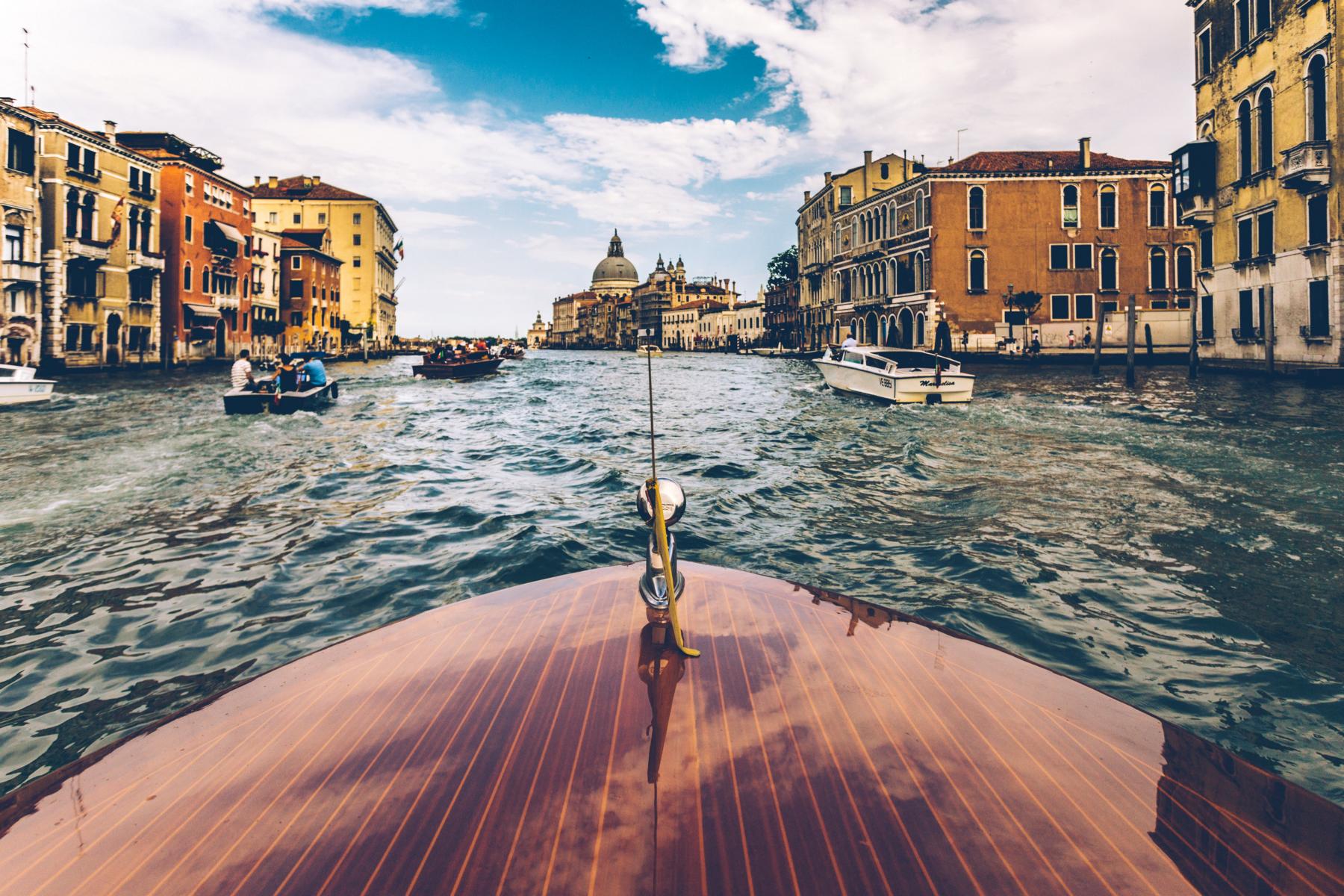











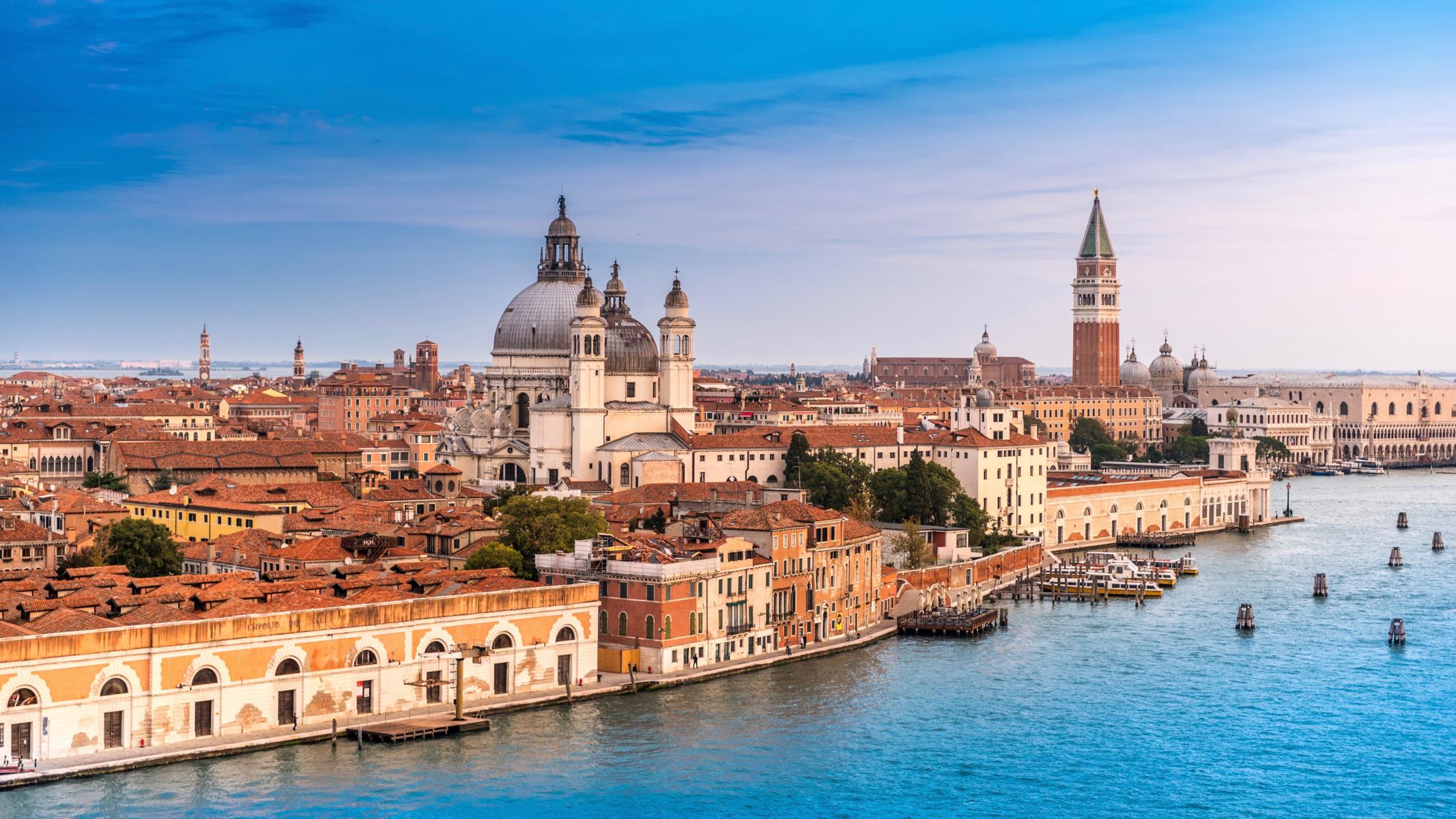



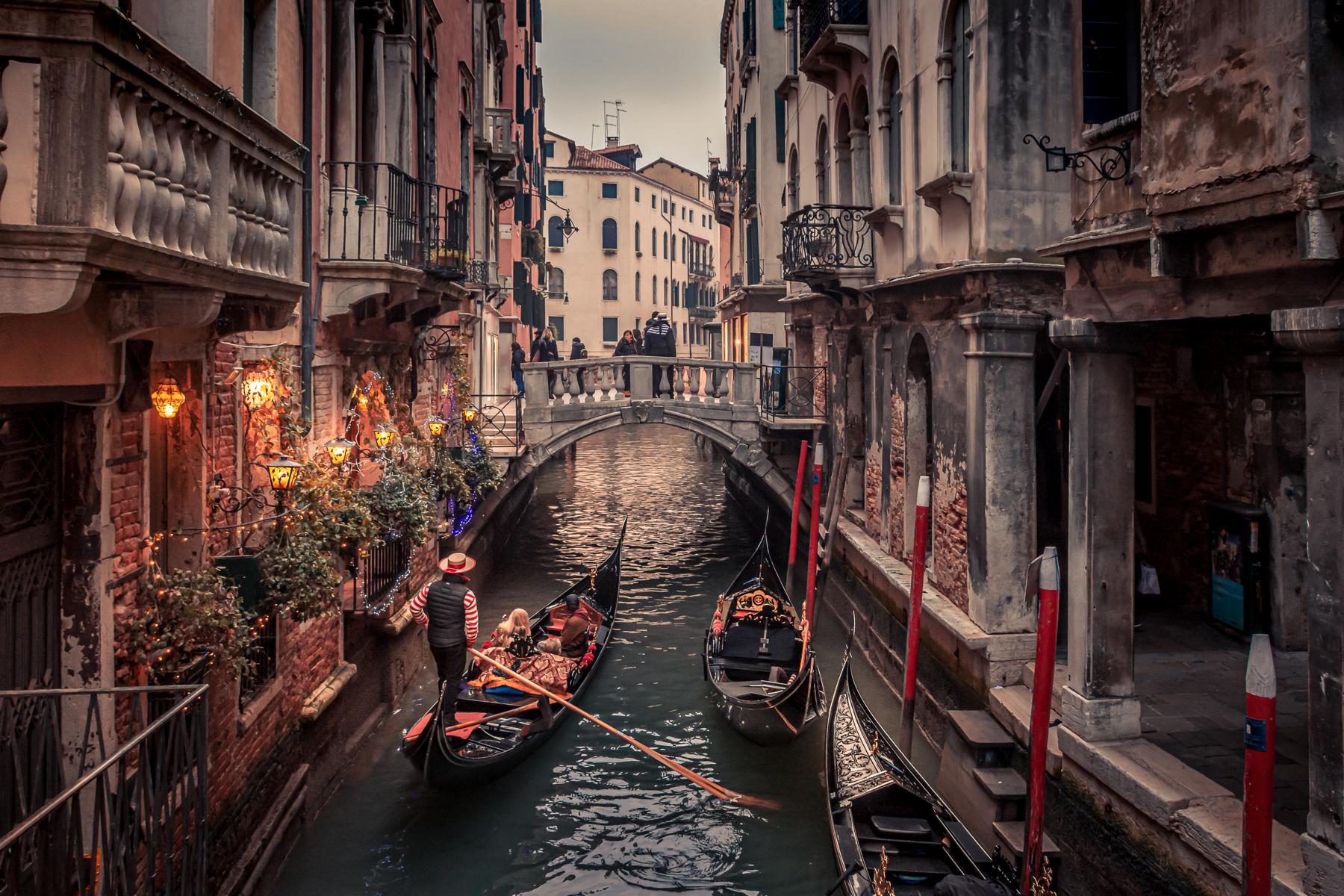


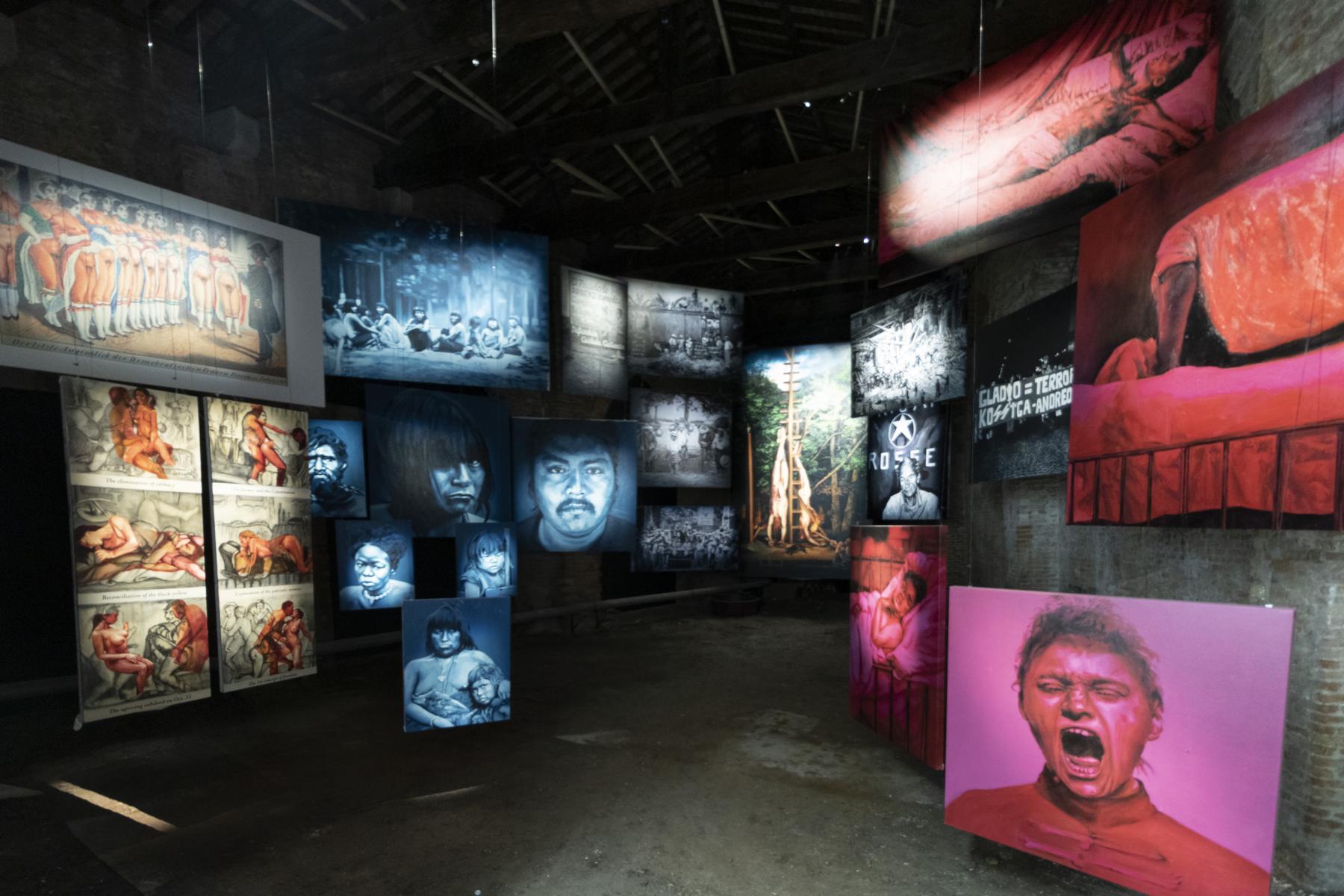


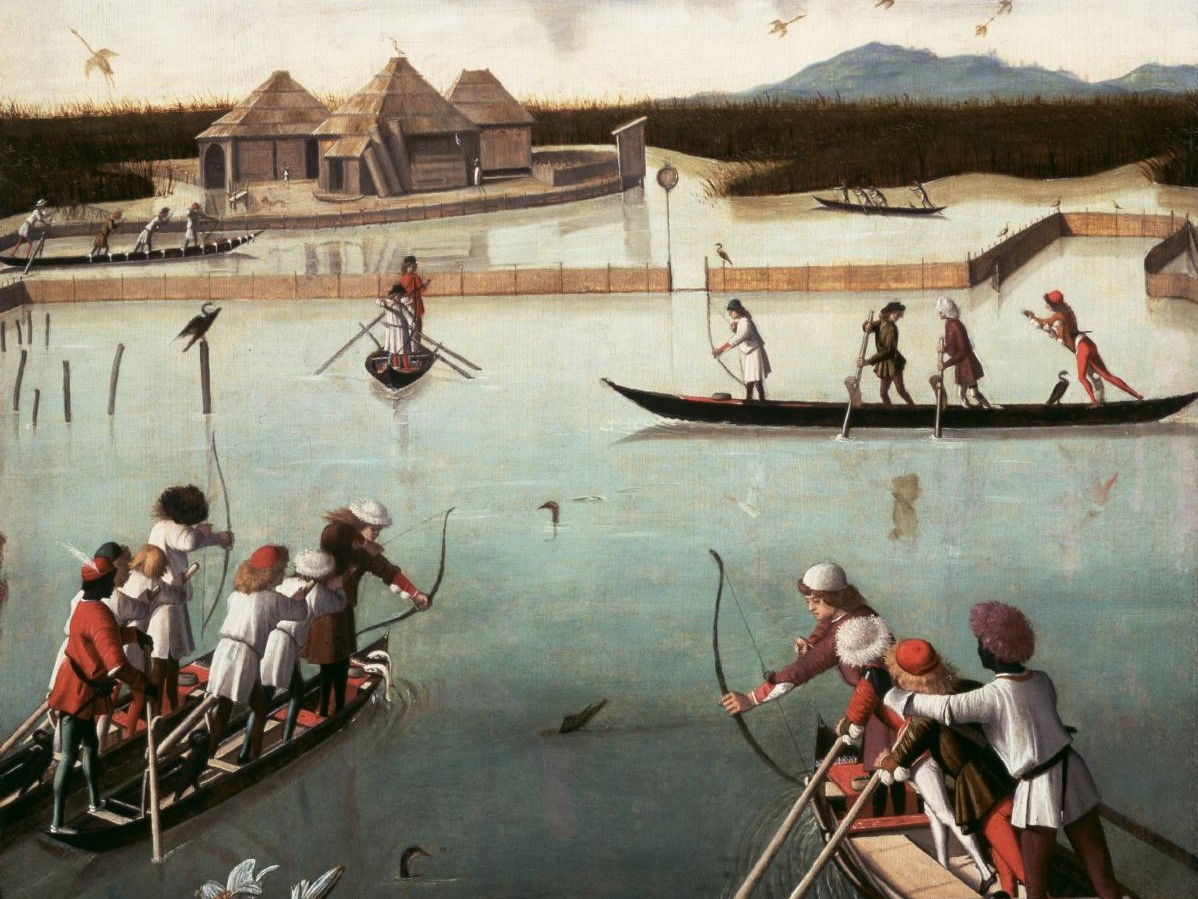
,_La_Cena_in_Emmaus,_279699.jpg)