Author: Claudio

  • The 5 most curious activities to do in Venice in winter

    The 5 most curious activities to do in Venice in winter

    In this post I’ll show you some of the best things to do in Venice in winter for an unforgettable trip to the most beautiful cold lagoon in the world. Visiting Venice in winter is an experience you will never forget.

    The city becomes intimate and mysterious, and despite the low temperatures, winter is one of the best seasons to visit Venice. With the exception of the Carnival season, tourist flows are low and visitors become rare and discreet. Prices are lower and the queues at the various sites are much shorter. In short, an excellent situation to take advantage of.

    For more – and detailed – reasons to visit Venice in winter, click here:

    In this post I’ll tell you what to do in Venice in winter, how to dress and what sights you should visit in the cold season.

    Staying in a hotel on Venice is the perfect way to enjoy everything the lagoon city has to offer. Then you can explore late in the evening and early in the morning when most tourists have already left!

    Meanwhile, I prefer to use Booking.com to find the right accommodation for my travels. The reviews from other travelers help me figure out which hotel suits me best. Hotel Rialto* is my first choice when I need a hotel in Venice: it is located in the center of Venice, right by the Rialto Bridge, and from there every corner of the city can be reached in no time.

    Venice winter weather

    However, before we leave, I would like to answer a basic question: How cold is it in Venice in winter?

    Of course, those who like it rather wam will find the Venetian climate rather unpleasant in winter. In addition to the low temperatures, the wind chill is made even colder by fog, humidity and winds like scirocco and bora. It is definitely advisable to check the weather forecast before traveling.

    In winter, temperatures in Venice can drop sharply, down to zero degrees, but rarely below. Normally, the maximum temperature is 8 degrees Celsius.

    The atmosphere is very humid, perhaps that is what affects the perception of cold the most. But since it is a lagoon, it is not like you can have everything!

    It is rare that it snows, but not impossible. In short, just dress well and you’re good to go.

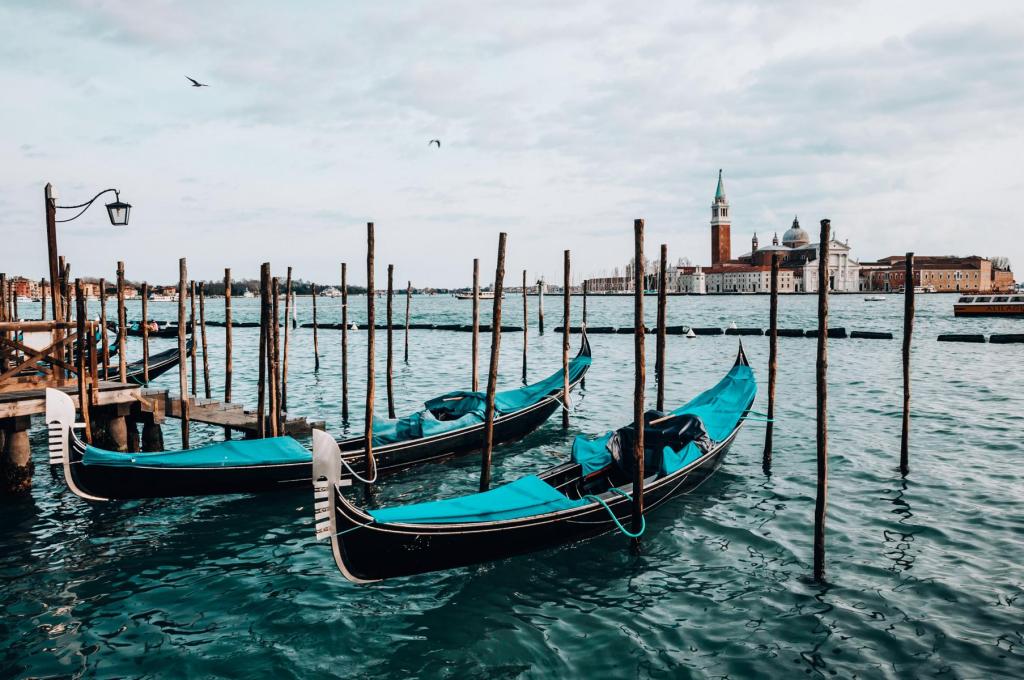
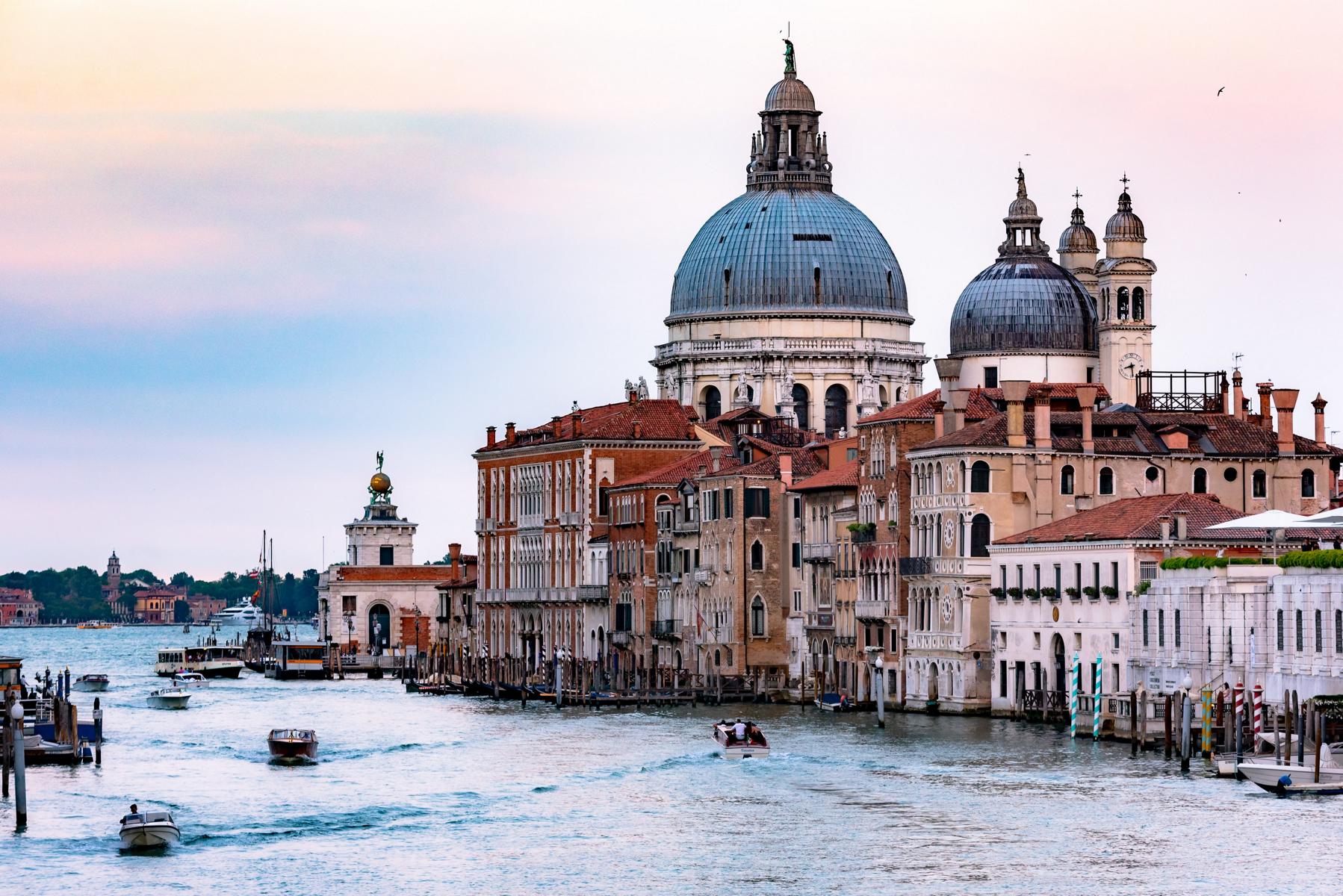
    Winter in Venice - gondolas in front of San Giorgio Maggiore
    Winter in Venice – gondolas in front of San Giorgio Maggiore

    Literature about Venice

    Reading books about Venice can enhance your experience of visiting the city in many ways:

    • They help to better understand the historical and cultural context. Venice has a very exciting and rich history as well as culture, and reading books can provide this context and help you understand the city’s art, architecture and traditions.
    • While the major tourist attractions in Venice are well known, there are also many hidden gems that you can discover by reading books.
    • The lagoon city has also been the setting for many famous literary works, including Shakespeare’s “The Merchant of Venice” and Thomas Mann’s “Death in Venice.” Reading these works can deepen your connection to the city and give you new insights into its culture and history.

    Overall, reading books about Venice can lead to a better understanding and appreciation of the city, so you can have a more fulfilling and enjoyable visit.

    How to dress in winter in Venice

    The motto is: Dress according to the onion principle! (That is, in layers, for those who can do little with the term). The clothes I list below are clothes that can never be missing from my backpack for Venice.

    • Fleece or winter leggings*: whether you are a man or a woman, bring fleece leggings. They are a great invention, lightweight, comfortable and super warm.
    • Thermal underwear*: thermal underwear is very useful if you spend your days hiking in cold and freezing conditions.
    • Gloves, scarf and hat*: it is important to cover your face and hands well. The cold is intense, but above all it is very wet. If you don’t protect your extremities well, you risk catching a cold and losing the desire to walk around Venice, ruining your vacation.
    • Waterproof shoes*: this also seems like a truism, but it’s not. Because even when the water level is low, your feet can get wet pretty quickly if it rains. And who likes to have soggy feet. So, comfortable, waterproof and warm shoes.

    By the way, you can find my personal packing list for Venice here:

    Winter in Venice: the best 5 activities

    A trip to Venice in winter is an incredible opportunity to visit parts of the city that are usually ignored, or to explore sights you’ve never seen because of the long queues. Or to do things you would normally have avoided because they were too expensive in high season. Or join guided walks that you normally wouldn’t do because of the crowds in the city.

    Take a gondola ride

    Venice can be cold in winter, I don’t want to hide that. Still, that’s no reason to skip the classic gondola ride in Venice. I know it sounds obvious, but it’s like climbing the Eiffel Tower in Paris or visiting the Colosseum in Rome.

    There are things that need to be done.

    As the saying goes, when you’re in Rome, do as the Romans do. So in Venice, a gondola ride is in order. Especially when it’s foggy, a gondola ride makes sense.

    But then only go after sunset and definitely not during the day. It is an absolutely magical experience. It feels like you are floating in the fog and the dim light of the gondola lantern shines like it was in the 1600s.

    If it’s a nice day, take advantage of the sunny hours. As for the cold, there are usually blankets that the gondolier puts over the legs of the passengers.

    A romantic gondola ride for two

    A gondola ride for two is always romantic, not only on Valentine’s Day. A private gondola ride* costs around 160 euro for 30 minutes.

    (Make sure you really book a private gondola ride, and don’t join the group rides, which are cheaper but far less romantic).

    Gondola on the Grand Canal in winter in Venice is always a unique experience.
    Gondola on the Grand Canal in Venice.

    Visit the museums and other attractions in Venice in winter

    To escape the cold a bit, you can always escape to one of the many museums in Venice. You can start with the following sights that I really like in Venice, or choose a few that appeal to you more.

    • Free walking tour: given the small number of tourists or large groups, a great way to discover hidden parts of the city is by joining a free tour. There are several tours available, from the classic version to the one that uncovers the secrets of Venice;
    • Ticket to the Doge’s Palace* with visit to the prisons: A visit to the Doge’s Palace is an absolute must when you visit Venice, especially in winter. Since there are fewer visitors, you can enjoy the Doge’s Palace and its thousands of stories in peace and without stress;
    • The art gallery Galleria dell’Accademia* houses the richest collection of Venetian and Venetian painting with artists who have influenced the history of European painting.
    • The Museo Correr is one of the most important and representative museums in the city of Venice. It illustrates the art, civilization and history of Venice through its various departments and rich and varied collections.
    • The Peggy Guggenheim Collection* The Peggy Guggenheim Collection is one of the most important museums of twentieth-century European and American art in Italy.
    • Guided tour of St. Mark’s Basilica*: St. Mark’s Basilica is a charming building that represents the splendor of the Republic of Venice during the thousand years of the Serenissima.

    Warmed up within the walls of the Theater La Fenice

    Another way to spend a cold night in Venice is to attend an opera performance in one of the most beautiful theaters you have ever seen. The Teatro La Fenice offers a rich program of plays and operas every year, where you are sure to find something to your taste.

    Here you can buy tickets: Theater La Fenice*

    New Year's Eve Concert in Venice - Full theater La Fenice in the lagoon city. An exceptional option for the winter in Venice.
    New Year’s Eve Concert in Venice at La Fenice Theater

    Sip a delicious hot chocolate

    Chocolate came to Venice in the early 17th century. At that time, the first coffee shops also served excellent cups of hot chocolate in winter. Casanova himself loved to drink it, mainly because of its aphrodisiac effect.

    The best hot chocolate I ever had in Venice was from Caffè Florian in St. Mark’s Square.

    Caution. Again, prices for traffic at the table are double those for traffic at the bar counter.
    In winter in Venice, hot chocolate is often a tasty treat. Venice in Winter can be delightful.

    Spend a special evening at Venice Casino

    Why lock yourself in your hotel room on a winter night when the Casino di Venezia is just a short walk away? Stop by the front desk and pick up a free ticket to experience an evening with a difference. You can try your luck at the gaming tables, but if you don’t feel up to it, you can also take the opportunity to visit one of the city’s most beautiful Venetian palaces.

    Admission costs between 5 and 10 euros, but is free if you stay at a hotel in Venice. (Please check with your hotel beforehand if the offer applies to your hotel).

    The casino is closed on December 24 and 25.

  • The Crown Jewel of Venice: Uncovering the beautiful Wonders of the Rialto Bridge

    The Crown Jewel of Venice: Uncovering the beautiful Wonders of the Rialto Bridge

    If you are planning a day trip to Venice, there are a few sights you should not miss. One of them is the majestic “Ponte di Rialto” or Rialto Bridge, immortalized by artists like Canaletto and even mentioned by Shakespeare, whose Shylock in The Merchant of Venice asks, “What’s new on the Rialto?”

    Whether you’re planning a romantic getaway in Venice or wondering what to do with your family, the Rialto Bridge should be on your itinerary.

    Gondeln an der Rialto-Brücke in Venedig

    History of the Rialto Bridge

    The Rialto Bridge was built to provide access to the Rialto Market and to connect the San Marco and San Polo districts. It is the oldest bridge over the Canal Grande. The bridge in its current form dates back to 1591, but its history goes back much further.

    It was originally a pontoon bridge built in 1181, which was replaced by a wooden structure in 1255. It was damaged by fire during a riot in 1310 and then collapsed twice – the first time in 1444 under the weight of people using it as a lookout point for a regatta, and then again in 1524.

    The bridge as we know it today is the result of decades of proposals by famous architects who competed to design a sturdy replacement for the wooden stone bridge. Among the architects who participated in the competition were Michaelangelo and Palladio, an architect best known today for his impressive country villas.

    Accommodation near the Rialto bridge?

    The Hotel Rialto, right by the Rialto Bridge and the Fondaco dei Tedeschi, Venezia, Italy.

    The location of this 4-star hotel is ideal for exploring and discovering the city. Imagine sitting at the window of your Junior Suite and admiring the Rialto Bridge. Under the arch of the bridge, gondolas and boats constantly cross the Grand Canal and the vaporetti stop just steps from the hotel to bring all of Venice to you.

    View of the Grand Canal from the Fondaco dei Tedeschi, Venice, Italy.

    In the end, Antonio da Ponte’s design was chosen, similar to the previous wooden bridge, and construction of the new marble bridge began in 1588. It was opened in 1591 and was the only place to cross the Grand Canal on foot until the construction of the Accademia Bridge in 1854. Today it is one of the most popular tourist attractions in Venice.

    There are many shops on the Rialto Bridge, most of them selling luxury goods such as jewelry, watches or Murano glass. There were shops on the first wooden bridge in 1250; at that time the city financed the maintenance of the bridge from the rent of the rooms.

    Fun fact: The rent for about 16m² on the bridge (8m² ground floor, 8m² first floor) is about 5,000 euros/month.

    Do you want to discover Venice on your own?

    Discovering Venice on your own can be an exciting and rewarding experience. A travel book will be a valuable resource where to look up historical and cultural information, as well as practical information and language tips.

    Here you can find my personal recommendations on the best Venice travel guides:

    Why is the Rialto Bridge in Venice so famous?

    The location of the Rialto Bridge makes it possible to capture the splendid atmosphere of the sunset over the Grand Canal in the southwest; the reddish sky and the last rays of the sun are reflected on the water, illuminating the bright palaces along the canal with a warm light. Venice is certainly not lacking in romantic atmosphere, but the city is even more beautiful at sunset.

    View of Rialto Bridge in Venice

    Some technical details about the Ponte di Rialto

    One of the most impressive features of the Rialto Bridge is its construction. The bridge is held together by a series of interlocking stones and a unique system of dovetail joints, which allowed the structure to withstand the weight of heavy traffic and the forces of the Grand Canal.

    The Rialto Bridge has a single span with a height of 7.5 meters and a width of 22 meters. The bridge is supported by two ramps leading to a central portico with three arches. The portico is lined with shops and the arches are decorated with statues of St. Mark, St. Theodore and the Annunciation.

    The architecture of the Rialto Bridge is also notable for its elegance and simplicity. The design of the bridge is characterized by clean lines and a sense of symmetry, creating a harmonious and pleasing appearance. The use of Istrian stone also gives the bridge a warm and inviting appearance, making it a popular destination for tourists and locals alike.

    Where is the Rialto Bridge located in Venice?

    A walk across the Rialto Bridge is at the top of the list of romantic things to do in Venice, as it offers a beautiful view of the Grand Canal and numerous small souvenir shops.

    If you’re wondering how to get to the Rialto Bridge, there are several options. You can walk north from St. Mark’s Square through the quaint streets of the city to the Grand Canal – you can’t miss the Rialto Bridge! Or take a water bus and get off at the Rialto Bridge stop. Get your camera ready for one of Venice’s most breathtaking sights… The Rialto Bridge is one of the best photo opportunities in Venice!

    Fondaco dei Tedeschi

    The luxury shopping center on the Grand Canal, in an ancient thirteenth-century palace, offers not only three floors of priceless brand-name goods in the middle of the oldest part of Venice, but also a free visit to the roof terrace with breathtaking views of the canal and the Rialto Bridge. However, this is only possible with prior booking: 15-minute slots are offered from 10:30 to 18:30.

    Tip: Book two slots in a row. You can show both bookings at the first control, so that you stay on the roof terrace during the "shift change" and are not sent back to the waiting hall. That way you have the terrace for a minute or two just for you and your photos; tripods have been allowed, by the way.

    The name suggests that the building served as a settlement for German-speaking merchants and craftsmen in the late Middle Ages and Renaissance; even the Fuggers had a trading post here. Today, the premises still have signs and coats of arms of various merchants engraved on columns, shelves, windows, walls, facades and plinths to claim the space for themselves.

    Beware of the tourist traps in Venice

    Venice is one of the world’s most beautiful cities. No wonder tourists flock there to experience it for themselves. But what are the biggest tourist traps in Venice and how can you avoid falling into them?

    Here are some other things to look out for.

    Things to know about the Rialto Bridge

    Here are some numbers and trivia to learn more about the Rialto Bridge:

    • The Rialto Bridge is 28 meters long and 22 meters wide; the average height above the water is 7.5 meters.
    • From 1591 until 1854 (when the Accademia Bridge was completed), the Rialto Bridge was the only way to cross the Grand Canal on foot.
    • The design of the bridge was considered daring, but it turned out to be very successful: no maintenance was needed for over a century. The first restoration was carried out in 1738.
    • There are 24 shops on the Rialto Bridge, 12 on each side.
    • There are three pedestrian crossings: a central one, about 10 meters wide; two lateral ones, about 3 meters wide.
    • To cross the bridge you have to climb 80 to 120 steps, depending on which passage you use and where you come from.
    • The bas-reliefs that decorate the bridge include a man with a third leg and a woman crouching over the flames. According to Venetian legend, they represent two merchants who opposed the construction of the bridge because they were skeptical about its ability to bear weight.
    • The bas-reliefs depicting St. Mark and St. Theodore are by Tiziano Aspetti, a 16th century Venetian sculptor who was very active in Venice.
    • The name Rialto comes from the Latin “Rivus altus”, which can be translated into Italian as “deep canal”: this expression was probably used to indicate that the area was free from flooding.
  • Keine Spaghetti mit dem Messer schneiden! Über die feinen Regeln und Etikette der italienischen Küche in Venedig

    Keine Spaghetti mit dem Messer schneiden! Über die feinen Regeln und Etikette der italienischen Küche in Venedig

    Wenn du eine Reise nach Venedig planst, solltest du dich als erstes mit den italienischen Essgewohnheiten vertraut machen.

    Italienerinnen und Italiener sind bekanntermaßen wählerisch, wenn es ums Essen geht, und sie haben ihre eigene Etikette, was man beim Essen tun und lassen sollte, und das nicht nur bei Pasta.

    In diesem Artikel erkläre ich dir, wie du wie ein gebührtiger Italiener – oder eine gebührtige Italienerin – Pasta kochen und essen kannst, damit du wie ein Profi nach Venedig reisen und wie ein Einheimischer aussehen kannst!

    Spaghetti mit dem Messer schneiden, geht das?

    In Italien ist es zwar nicht verboten, Nudeln – vor allem Spaghetti – mit dem Messer zu schneiden, bevor du sie isst, aber das solltest du nicht tun.

    Vielleicht denkst du, dass nichts schlimmes dabei ist, und Spaghetti um die Gabel zu wickeln doch recht schwierig ist. Was soll schon passieren, wenn du beim Schneiden von Spaghetti im Restaurant erwischt wirst?

    Viele Italienerinnen und Italiener nehmen die Sache mit dem Essen sehr ernst und können sich sehr echauffieren, wenn sie sehen, dass du die Nudeln schneidest. Das ist eine Art Beleidigung oder sogar ein Sakrileg. In den meisten Fällen aber lachen sie nur, und manchmal machen sie sich über dich lustig.

    Was du vielleicht schon über Italiener und Essen gehört hast, sind nicht nur Klischees. Als Italiener, der im Ausland lebt, kann ich das bezeugen.

    Auch wenn ich inzwischen flexibler und weniger voreingenommen bin, gibt es immer noch einige Essensgewohnheiten, die ich mir im Laufe der Jahre nicht abgewöhnen konnte, und andere seltsame Verhaltensweisen, die mich immer noch schockieren.

    Eine davon ist das Essen von Pizza mit Ananas darauf. Das ist einfach nur eklig und ich kann mir wirklich nicht vorstellen, dass sie gut schmeckt. Das ist eines der Dinge, die du nicht tun solltest, wenn du nach Venedig fährst. Frag nicht nach Pizza Hawaii. Tu das bitte nicht!

    Das andere ist die Krux mit dem Schneiden von Spaghetti oder anderen Nudelsorten. In Italien macht man das mit kleinen Kindern, wenn sie lernen, selbst zu essen, und noch nicht in der Lage sind, souverän die Spaghetti um die Gabel zu wickeln.

    Wenn du das als Erwachsener machst, siehst du aus wie ein Verrückter oder ein Ausländer, der kein Interesse daran hat, richtig italienisch essen zu lernen. Wenn wir Italiener Spaghetti essen, rollen wir sie einfach auf der Gabel – ohne Löffel, was ebenfalls komisch ist, aber nicht so schlimm, wie die Spaghetti mit dem Messer zu schneiden.

    Abgesehen davon kannst du natürlich mit deinem Essen machen, was du willst und es so essen, wie es dir am besten schmeckt. Für einen Italiener ist das einfach komisch, aber wer weiß, was meine Landsleute in Deutschland mit dem hiesigen Essen alles anstellen: Bestimmt essen sie gebratene Weißwürste beim Sonnenuntergang, wenn sie zum Oktoberfest nach München kommen.

    In Italien unvorstellbar: Spaghetti mit dem Messer schneiden.

    Pasta-Knigge in Italien: Wie du Pasta richtig kochst und isst

    Wenn du Italien besuchst, gibt es einige Dinge, die du wissen solltest, und einige Essensregeln, die du vielleicht befolgen möchtest – einfach aus Spaß, um etwas Neues auszuprobieren, oder aus Respekt vor der lokalen Kultur.

    Natürlich ist das nicht verpflichtend; jeder sollte essen, was er mag und wie er es mag. Aber weil wir Italiener so wählerisch sind, wenn es um unser Essen geht, solltest du es vielleicht lernen, wenn du in Italien nicht negativ auffallen möchtest.
    Tipp 1: Pasta kochen wie die Weltmeister

    Wenn du Pasta kochen willst, solltest du lernen, wie man sie auf italienische Art zubereitet. Dazu befolgst du diese einfachen Schritte:

    1. Nimm einen großen Topf und bringe darin Wasser mit etwas Salz zum Kochen. Als Faustregel: 1 Liter Wasser pro 100gr Nudeln, z.B. Spaghetti.
    2. Während es kocht, gibst du die Spaghetti hinein, ohne sie zu zerbrechen. Gib sie einfach senkrecht hinein und warte ein paar Sekunden, bis der Teil, der im Wasser liegt, weich wird. Dann rutschen die oberen Enden automatisch ins Wasser, ansonsten kannst du mit einem Holzlöffel nachhelfen.
    3. Schmecke sie nach 8 Minuten ab, wenn du sie “al dente” magst, ansonsten lass sie so lange kochen, bis sie deiner Meinung nach gar sind. Je nach Marke und Art der Nudeln kannst du auf der Packung nachsehen, wie viele Minuten es höchstens dauert.
    4. Lass die Nudeln abtropfen! Du kannst sie entweder direkt auf den Tellern mit Olivenöl und Parmesankäse servieren oder sie zurück in die Pfanne geben und die Soße dazugeben, das du eventuell zubereitet hast, damit es sich leichter mischen lässt.
    5. Auf dem Teller servieren und ohne Messer essen. Versuche stattdessen, die Spaghetti um die Gabel zu wickeln.

    Wichtig ist, dass die Nudeln direkt nach dem abtropfen mit der Soße vermischt werden. Ansonsten kleben sie später einandender und können nicht den Geschmack der Soße aufnehmen.

    Tipp 2: Zerschneide die Spaghetti nicht auf dem Teller!

    Wenn du im Restaurant Spaghetti serviert bekommst, benutze nicht dein Messer, um sie in kleine Stücke zu brechen. Erwachsene in Italien tun das nur für ihre kleinen Kinder, wenn diese lernen, selbstständig zu essen.

    Ansonsten lernen auch erwachsene Kinder, wie man Spaghetti mit der Gabel aufrollt. Es ist ganz einfach und ich bin sicher, wenn du es einmal probiert hast, wirst du ein Profi.

    In Italien gilt es, Spaghetti um die Gabel zu wickeln und nicht Spaghetti mit dem Messer schneiden

    Tipp 3: Kein Käse zu Pasta mit Fisch oder Meeresfrüchten

    Eine weitere italienische Etikette besagt, dass wir normalerweise keinen Parmesankäse zu Pasta mit Meeresfrüchten geben, weil Käse und Meeresfrüchte nicht wirklich zusammenpassen, sagen Feinschmecker.

    Da viele Spezialitäten in Venedig Fisch oder Meeresfrüchte enthalten, ist das der Grund, warum Käse in venezianischen Lökalen selten serviert wird. Aber das ist keine große Sache, und viele Leute tun es trotzdem.

    Für die Fisch- und Meeresfrüchtefeinschmecker unter uns habe ich folgenden Blogeintrag geschrieben, in dem ich Venedigs beste Fischrestaurants unter die Lupe genommen habe:

    Tipp 4: Das Brot, das es als Beilage zu Nudeln gibt, ist für die “Scarpetta”

    Etwas sehr Italienisches ist es, Brot zu verwenden, um die Soße aufzufangen, die nach dem Essen der Pasta in dem Teller zurückbleibt. Ich finde das echt lecker, vor allem wenn die Soße gut schmeckt, wenn auch nicht immer sehr elegant. Das nennt sich “Scarpetta”.

    Bei einem romantischen Rendezvous solltest du das vielleicht nicht tun, aber ich würde es tun. Vor allem, wenn die Soße so gut ist. Scarpetta ist die beste Art, dein Essen zu beenden.

    In Italien gilt es, Spaghetti um die Gabel zu wickeln und nicht Spaghetti mit dem Messer schneiden.

    Tipp 5: Bestelle kein Risotto alla Milanese in Venedig

    Obwohl du fast überall gute Pizza bekommen kannst, musst du wissen, dass die Originalpizza aus Neapel kommt, das Risotto und das Osso Buco aus Mailand, die Tagliatelle und Tortellini aus Bologna und die Pasta all’Amatriciana aus der Nähe von Rom.

    Die italienische Küche ist (fast) überall gut, aber du solltest die lokalen Gerichte wählen, um das Beste von jedem Ort zu bekommen. Wenn du nicht weißt, was das typische Gericht ist, frag den Kellner, der dir gerne hilft, wenn er Englisch spricht. Wenn nicht, werden sie sich auf irgendeine Weise verständigen.

    Ansonsten findest Du eine Auflistung der venezianischen Spezialitäten hier:

    Tipp 6: Kein Kaffee mit Milch nach Mittag

    Ähnlich wie Weißwürste in Bayern gibt es für einen Kaffee mit Milch strikte Regeln, die es zu befolgen gibt. Vor allem ein Cappuccino gilt in Italien als Frühstücksgetränk und wird von Einheimischen selten nach 11 Uhr getrunken. Wenn du später am Tag einen Kaffee trinken möchtest, probiere stattdessen einen Espresso – einfach nur einen “caffè” bestellen – oder einen Caffè Macchiato.

    Einen Beitrag über die durchaus unüberschaubare italienische Trinketikette von kaffeehaltigen Getränken findest du hier:

    Ansonsten findest Du eine Auflistung der venezianischen Spezialitäten hier:

    Tipp 7: Vermeide die vielen Touristenfallen Venedigs

    Venedig ist eine der meistbesuchte Städte der Welt und dementsprechend nicht immun gegen die vielen Touristenfallen, die Betrüger und Abzocker sich einfallen lassen.

    Venedig ist berüchtigt für seine Touristenfallen, und du solltest es vermeiden, in Restaurants zu essen, die Bilder von Essen im Freien oder aufdringliche Kellner haben, die versuchen, dich hinein zu locken. Frag stattdessen Einheimische nach Empfehlungen oder recherchiere im Voraus.

    Tipp 8: Vorsicht vor den hohen Preisen

    Vergiss nicht, die Preise zu überprüfen: Restaurants in Venedig können teuer sein und es ist wichtig, die Preise vor der Bestellung zu überprüfen, um Überraschungen zu vermeiden, wenn die Rechnung kommt.

    Sei dir auch bewusst, dass einige Restaurants einen Obolus oder Coperto verlangen, also eine Gebühr für Brot und Tischservice. Das ist inzwischen nicht mehr überall der Fall, aber noch weit verbreitet.

    Tipp 9: Trinkgeld ist weder nötig noch wird es erwartet

    Jetzt verstehst du, warum wir Italiener nie Trinkgeld geben, wenn wir ins Ausland reisen. Das liegt nicht daran, dass wir geizig sind, sondern einfach an unserer Kultur.

    Kellner, Kellnerinnen, Träger und andere Servicekräfte erhalten einen vollen Lohn, also brauchen sie kein Trinkgeld, um ihren Lohn aufzurunden. Oft wird das Trinkgeld auch mit dem “Coperto” bereits abgedeckt.

    In manchen Fällen ist Trinkgeld natürlich willkommen, wird aber nicht erwartet und in nicht-touristischen Gegenden ist das Personal überrascht – manchmal auch überfordert -, wenn ich dennoch Trinkgeld für einen ausgezeichneten Service geben möchte.

    Spaghetti mit dem Messer schneiden wird in Italien nicht praktiziert.

    Tipp 10: Benutze einige italienische Grußformeln

    Jeder kennt das Wort “ciao”, aber vielleicht wusstest du nicht, wie man es buchstabiert. C I A O, und jetzt weißt du auch, dass wir “ciao” sowohl zur Begrüßung als auch zur Verabschiedung benutzen, aber nur zwischen Freunden und Menschen, die sich schon lange kennen, oder zwischen sehr jungen Menschen.

    Zwischen Erwachsenen, die sich nicht kennen, und zwischen Jugendlichen und Erwachsenen sagen wir hingegen “Buongiorno” – ein guten Tag, das morgens bis nachmittags gilt -, oder “Buonasera” – guten Abend, wird bereits ab dem späten Nachmittag gesagt. Das zieht sich durch ganz Italien durch, von Sizilien nach Südtirol.

    Ich habe nie verstanden, was die formelle Art ist, um von mittags bis 16 Uhr Hallo zu sagen. Möglich sind beide Begrüßungen.

    Wenn du ein Geschäft betrittst, in ein Restaurant gehst oder jemanden triffst, würdest du zur Begrüßung Buongiorno oder Buonasera sagen. Und wenn du dich mit deiner ungeschickten Aussprache anfreunden kannst, klingt das für uns niedlich und dein Gegenüber wird die Mühe zu schätzen wissen.

    Im Folgenden findest du einige nützliche Vokabeln:

    • Ja: Si
    • Nein: No
    • Bitte (beim Fragen): Per favore
    • Danke: Grazie
    • Gern geschehen: Prego
    • Prost! (Auf deine Gesundheit): Salute!
    • Entschuldigung (für Aufmerksamkeit): Scusi
    • Entschuldige mich (zum Vorbeigehen): Permesso
    • Sprichst du Deutsch oder Englisch? Parla Tedesco o Inglese?
    • Ich verstehe nicht: Non capisco
    • Es tut mir leid: Mi dispiace

    Für die Wissbegierigen unter uns gibt es diesen italienischen Sprachführer, der dich bei all deinen Abenteuern südlich der Alpen begleiten wird:

    Der Sprachführer Italienisch ist der ideale Begleiter für Reise und Urlaub, denn er ermöglicht eine einfache Verständigung auch ohne Italienischkenntnisse. Er bietet praktische Hilfe mit den wichtigsten Wörtern, Sätzen und Redewendungen.

  • The best and cheapest hotels for your stay in Venice

    The best and cheapest hotels for your stay in Venice

    If you are reading this blog article, you are looking for a cheap solution to stay in Venice. That’s exactly what I’m doing in this text and here you’ll find all the recommendations for a cheap stay in hotels, B&Bs and room rentals in the most beautiful areas of the city.

    Start now to select the cheapest offers for a stay in Venice: move on the map, explore the city, zoom in and discover the prices of all accommodations.

    Booking.com

    Here are some useful tips for your stay in Venice

    The first important consideration is that there are no cars in Venice and you get around by water or on foot. This is an important reason to consider the distance from the parking lot if you arrive by car, or from the Santa Lucia train station if you arrive by train.

    You may have to walk in a hurry through the Venetian calli and bridges – this often happens to me when my stay in Venice is over and I have to rush to the train station – and lug your suitcases halfway across the city.

    What is the best area to stay in Venice?

    The peculiarity of this city is its division into Sestieri. These are the quarters of Venice, and each of them has its own characteristics that make it unique.

    St. Mark’s Square, for example, is the most central and most visited district by tourists: from the central St. Mark’s Square you can admire an extraordinary landscape over the lagoon and at the same time you are very close to the most popular sights of Venice: the Basilica of San Marco, the Bridge of Sighs, the Doge’s Palace etc.

    Venice accommodations near Piazza San Marco

    It’s certainly not the cheapest option, but if you’re looking for a comfortable option close to the main attractions, I’ve selected the three most central and affordable accommodations.

    Der Barocci-Palast

    Palazzo Barocci, um in Venedig zu übernachten

    Overlooking the Grand Canal and just a short walk from St. Mark’s Square and the Rialto Bridge, this 4-star superior hotel has beautifully appointed and comfortable rooms and suites. Recommended for those sleeping in Venice who want an extra dose of pampering.

    Ca’ San Polo

    Just 800 meters from St. Mark’s Square, the hotel enjoys an enviable location and is housed in an old building dating back to the 15th century. With beautiful rooms and reasonable prices, it is a recommendable solution to stay in Venice without spending a lot of money.

    ca san polo - hotels in venedig, um in Venedig zu übernachten

    Le Marie B&B

    le marie BB - in venedig günstig übernachten

    Just 400 meters from St. Mark’s Square, it offers classic-style rooms with exposed wooden beams. The rooms overlook the canal and the breakfast is rich. Recommended for the friendliness of the staff and the cleanliness of the rooms.

    Recommended accommodation in Cannaregio in Venice

    The Sestiere Cannaregio is just a few minutes walk from the Santa Lucia train station. Along the busy (pedestrian) street that leads to the station hide many small realities ignored by mass tourism. There you will also find the Jewish Ghetto, which is indeed very fascinating, with its small stores and millennial traditions that you should not miss.

    In general, the accommodations in Cannaregio have a lower average price and are the solution I recommend if you want to stay in Venice and stay in the station area without taking the vaporetto. Here are the three hotels I chose:

    Ca’ Fontanea

    ca fontanea - best accomodation in Cannaregio to sleep cheap in Venice

    Not far from the city’s main attractions, the residence offers free Wi-Fi and continental breakfast. The central location and the very friendly staff make it an affordable way to stay in Venice without sacrificing comfort.

    Hotel Tintoretto

    A popular 3-star hotel: simple but comfortable rooms. It’s part of a historic building and conveniently located for a 15-minute walk to the train station. Comfortable beds and a hearty breakfast are not to be missed. A great accomodation in Cannaregio.

    hotel tintoretto - cheap accommodation in Cannareggio

    Aquavenice

    aquavenice hotel - stay in venice at a great price

    Extremely positive feedback for the location, cleanliness, helpfulness and courtesy of the staff, whom you can easily ask for advice on how to get around or where to eat well without spending a lot of money. Very good value for money in Venice.

    Accommodation in Giudecca to stay in Venice

    The Giudecca Island is still part of the Dorsoduro district, but once you’re there, it feels like you’re in a completely different context. Generally a bit snubbed by hit-and-run tourism, here you can breathe the true air of Venice.

    I recommend staying in Venice in the Sestiere Giudecca for those looking for tranquility and a truly enviable location in terms of scenery. Since it is an island, the only way to get there is by ferry.

    Hilton Molino Stucky

    Hilton Molino Stucky - stay overnight in Venice

    Let’s forget about the cost for a moment. If you are looking for a really romantic solution with a panoramic view, you can only choose the Hilton. An old building that has been renovated and now offers many services (gym, spa and much more) and a great breakfast.

    Yacht Sarah Venezia

    This is a very unusual stay: on a boat, or rather on a luxurious yacht at a really super attractive price. Really charming rooms, off the beaten track but easy to get to, the staff is really top notch. An experience that I highly recommend.

    yacht sarah venezia - stay on the boat in venice

    Hotel Generator Venice

    generator venice - low-cost accommodation in Giudecca

    Want to stay cheap in Venice? Hotel Generator offers a clean and welcoming environment in an old building from the 19th century. Breakfast with the sea in front of you and St. Mark’s Square in the distance is a unique sight.

    The best places to stay in Santa Croce in Venice

    The Santa Croce sestiere is the westernmost part of Venice and the only one with a small area where you are allowed to move by car, but I advise against it. Here there are two of Venice’s four bridges over which you can cross the Grand Canal: the Ponte degli Scalzi near the Central Station and the Ponte della Costituzione by Calatrava near Piazzale Roma.

    It is an area that combines antiquity with modernity, although it is not as rich in attractions and museums as the others, and perhaps for that reason is less populated by large crowds of tourists. Here you can find out where to sleep in Venice in one of the most convenient areas to have the train or bus station close by.

    Hotel Antiche Figure

    hotel antiche figure - budget accommodation in Santa Croce

    Right in front of the train station, next to the beautiful church of San Simeon Piccolo, the hotel overlooks the Grand Canal. A very convenient location with very nice, well kept and clean rooms. Very friendly staff, recommended by all guests who want to stay in Santa Croce.

    Albergo Marin

    Although it has only 1 star, the Hotel Marin has consistently received good reviews. It is a short walk from the train station and is located in a renovated and well-maintained old building. The rooms are clean and tidy and the staff is very attentive. Recommended for those looking for a budget stay in Santa Croce.

    albergo marin - sleep and save in venice

    Hinc Domus – Residenza Da Qui Venice

    Hinc Domus - Residenza Da Qui Venice - cheap luxury hotels in venice. Stay in Santa Croce.

    Despite its proximity to the train station, this house is located in a quiet and peaceful street near Campo San Giacomo. You can ask Giovanni, the host of the residence, for information about restaurants and sightseeing. He will be happy to help you. The stay in Santa Croce at Hinc Domus is highly recommended.

    To the Venice overview page

    You can find all blog articles about the lagoon city here:

    Information on where you can find the public toilets in Venice
  • The best Venice travel guides: My very special recommendations

    The best Venice travel guides: My very special recommendations

    Maybe you’ve already guessed this from the other posts: Visiting Venice can be a bit overwhelming. It’s not just the everyday life of a big Italian city: everything takes place in a very small space and things work differently than we – and even mainland Italians – are used to.

    Venice is one of the most famous tourist destinations in Europe, if not the world. It is also a city that has become known for overtourism. I visit Venice anywhere from one to four times a year. In recent years, I have had the opportunity to visit the city at any time of the year. During my visits, I have always stayed in Venice for several days and have been able to extensively test many of the best Venice travel guides listed.

    Despite its manageable size, I recommend planning your visit in advance, especially if it’s your first time. The Venice travel books and guides in this post should help.

    The special and best Venice travel guides

    Venice as I love it. A guide to get lost with

    Venice as I love it. A guide to get lost with. The special and best Venice travel guides (in English)

    Venice as I love it. A guide to get lost with*” is possibly my favorite, both in structure and content, and I highly recommend it to you. The subtitle “A guide for getting lost with” is exceptional and made me buy it when I first saw it. I knew immediately – and I wasn’t wrong – that I would find something suitable and new for my curiosity for Venice.

    111 Places in Venice that you must not miss

    111 Places in Venice that you must not miss*” is one of the best Venice travel guides that I recommend to passionate travelers and also to locals, because it really does offer special insights that go beyond the usual tourist routes. The author, Gerd Wolfgang Sievers, is a professional chef and has long since made a name for himself as the author of successful cookbooks. His interest in Venetian cuisine led him to spend a long time in Venice. You can find the corresponding cookbook at the end of the list.

    111 Places in Venice that you must not miss. The special and best Venice travel guides (in English)

    The Secret Venice of Corto Maltese. Fantastic and Hidden Itineraries

    The Secret Venice of Corto Maltese. Fantastic and Hidden Itineraries. The special and best Venice travel guides (in English)

    The Secret Venice of Corto Maltese. Fantastic and Hidden Itineraries*” is a Venice travel book that takes the approach of getting very close to its “protagonist” Corto Maltese. (Corto Maltese is one of the cult characters and icons of the European graphic novel scene, created by the Italian master Hugo Pratt, who himself lived in and around Venice). The book proposes you seven itineraries, described in a completely unusual way compared to normal Venice travel books, accompanied by Hugo Pratt’s wonderful pictures.

    To give an idea of the underlying style, I quote the saying on page three: “Viagiar descanta, ma chi parte mona torna mona” (Venetian for: Travel sharpens the mind, but if you start out as an airhead, you’ll come back as an airhead).

    Classical Venice Travel Guides

    Lonely Planet Travel Guide Venice & Veneto

    The Lonely Planet Venice travel guide* here in the detailed version. A quick and flexible guide that may not be very original, but is certainly useful for planning your vacation and getting around the city.

    Lonely Planet Travel Guide Venice & Veneto

    Rick Steves’ Venice (2023)

    Rick Steves’ Venice travel guide* offers a comprehensive and practical overview of the city, including its history, culture, and top attractions. This Venice travel book includes detailed walking tours of Venice’s major neighborhoods, such as San Marco, Dorsoduro, and Cannaregio, with suggested itineraries and insider tips on how to avoid crowds and make the most of your visit.

    A book tip for gourmets!

    Venice On A Plate: But What A Plate!

    Enrica Rocca’s book explores the culinary traditions of Venice, Italy, and features a collection of recipes inspired by the city’s unique cuisine.

    The book is divided into sections that focus on different aspects of Venetian food culture, including fish and seafood, vegetables, meat, pasta, and desserts. Each section includes a range of recipes, as well as information on the history and cultural significance of the dishes.

    Do you want to learn Italian while enjoying a coffee in Venice?

    The most successful language learners get into the habit of studying on a regular basis. 50 Italian Coffee Breaks makes it easy to master a simple routine for improving your Italian by effortlessly integrating it into your soothing daily ritual – from a 5-minute espresso to a 15-minute latte.

    But what makes the best travel guide?

    The best Venice travel guides should be packed with in-depth reports, reviews, well-kept secrets, hidden treasures, and more, making them invaluable before and during a trip.

    They should be, too:

    • Rich in information to help you get the most out of your vacation;
    • Divided into neighborhoods with detailed information on all their peculiarities;
    • List the main attractions and activities, shopping, nightlife and accommodations;
    • Provides a survival guide on how best to get around the city and includes detailed sections on pre-planning;
    • Offer a detailed city map and pull-out detailed maps.

    Highlights and suggested itineraries help you tailor your trip to your personal needs and interests. Insider tips help you save time and money, and avoid crowds and trouble spots like the locals.

    Cultural Insights provide a rich, rewarding travel experience by introducing you to the culinary specialties, art and architecture, theater and opera of the city you visit. This way, you’ll know when the events you’re most interested in are taking place, and you’ll be able to choose the best time to vacation in Venice.

    The best Venice travel guides will not only tell you about the history of the city, but also about the daily life of the Venetians, about the peculiarities of San Marco, Dorsoduro, San Polo, Santa Croce, Cannaregio, Castello and Giudecca, about the excursions on the Lido and on the islands of Murano and Burano.

    Venice’s main attractions

    Among the most famous monuments are:

    • Santa Maria Gloriosa dei Frari church
    • Canal Grande
    • Ca’ d’Oro
    • Rialto Bridge
    • Accademia
    • Theater La Fenice
    • St. Mark’s Square (“Piazza San Marco”)
    • St. Mark’s Basilica (“Basilica of San Marco”)
    • St Mark’s Bell Tower (“Campanile di San Marco”)
    • Doge’s Palace (“Palazzo ducale”)
    • Bridge of Sighs (“Ponte dei sospiri”)
    • Procuratie and Museo Correr
    • Santa Maria della Salute church
    • San Giorgio Maggiore church
    • Lido of Venice
    • Arsenale
    • Ghetto of Venice
    • Peggy Guggenheim Collection
    • San Michele church
    • San Bartolomeo church
    • Santi Giovanni e Paolo church
    • Santa Maria dei Miracoli church
    • Santa Maria Assunta church
    • Great School of St Rocco (“Grande scuola di San Rocco”)
    • Palace and spiral staircase Contarini del Bovolo
    • Grassi palace
    • Great School of St Marco (“Grande scuola di San Marco”)
    • Ca’ Pesaro
    • Museum of the Venetian 18th century (“Ca’ Rezzonico – Museo del Settecento Veneziano”)
    • Santa Maria Formosa church
    • Santa Maria Zobenigo church
    • Santa Maria und San Donato church

    But there is much more to discover: Venice, the city of bridges, is spread over 118 islands connected by ferries and bridges. All the buildings and alleys of Venice form a whole, and the best Venice travel guides will give you exactly this picture.

    Another important aspect of the best Venice travel guide is to give you good advice for the time between all the cultural activities: Where is the most authentic food and the most fun nightlife? Where are the best places to stay at night?

    Find out about the Venetian culinary traditions

    A large percentage of tourists in Venice end up in restaurants where they eat poorly and feel ripped off. These Venice travel books recommend places for all budgets where locals eat, bars where you can get traditional Venetian ciccheti, and the best places for vegetarians and vegans. There’s also often advice on ordering food and essential Italian vocabulary.

    This post is about food, specifically authentic Venetian specialties, and the typical places where long-time residents and newcomers like to eat.

  • Where and what real Venetians eat in Venice: Venetian Specialties in the 21st Century

    Where and what real Venetians eat in Venice: Venetian Specialties in the 21st Century

    One of the many benefits of being in Venice often is that I have many opportunities to meet real Venetians, such as Dimitri and his sons, who run the cute bookbinding shop Karisma.

    I can count on these local friends and acquaintances for insider information and to experience Venice like a local.

    This post is about food, specifically authentic Venetian specialties, and the typical places where long-time residents and newcomers like to eat.

    Venetian Specialties and Restaurants

    Real cicchetti

    Not only real Venetians eat the infamous cicchetti, the Venetian finger food. The name cicchetti comes from the Latin word ciccus, meaning small quantities, and indeed they are small Venetian specialties.

    In particular, slices of bread with sliced or fried cod, including mozzarella in carrozza, breaded sardines, breaded vegetables, meatballs, squid skewers. The best cicchetti are prepared with fresh local ingredients and are seasonal.

    Bacari

    Bacari, traditional Venetian wine bars, serve cicchetti among other things. Bacaro comes from the old Venetian word bacarar and means to have fun, to celebrate! The most traditional bacari can be found around the Rialto Market.

    Cicchetti, typical Venetian specialties, in Venice, Italy.
    Cicchetti, typical Venetian finger food

    The Spritz – a Venetian invention

    Did you know that the Spritz was invented in Venice in the early 19th century? The name comes from the Austrians, as Venice was under Austrian occupation at the time.

    Originally, only wine and water were mixed, and legend has it that around 1850, Venetians added a shot of red liqueur to the recipe as a sign of resistance against their Austrian oppressors.

    There are now four versions of the drink in Venice: with bitters, with Cynar, with Select, and the most famous with Aperol.

    Here’s an overview from Venetian Infographics of the different Spritz styles:

    Do you want to discover Venice on your own?

    Discovering Venice on your own can be an exciting and rewarding experience. A travel book will be a valuable resource where to look up historical and cultural information, as well as practical information and language tips.

    Here you can find my personal recommendations on the best Venice travel guides:

    Pizza, Lasagne und Carbonara?

    In almost every restaurant you can find the food that is associated with Italy all over the world: Pizza, a thousand kinds of pasta, lasagna, and so on. Sure, Venice is part of Italy, but it was an independent republic for over 1,000 years.

    Venice’s culinary history and heritage is quite different from the rest of Italy, in part because Venice was historically more connected to the Middle and Far East than the European continent!

    You can eat good pizza in Venice, but it will not be better than in many other places on the mainland. So if you are looking for authentic Venetian specialties, this is the place to be.

    A book tip for gourmets!

    Venice On A Plate: But What A Plate!

    Enrica Rocca’s book explores the culinary traditions of Venice, Italy, and features a collection of recipes inspired by the city’s unique cuisine.

    The book is divided into sections that focus on different aspects of Venetian food culture, including fish and seafood, vegetables, meat, pasta, and desserts. Each section includes a range of recipes, as well as information on the history and cultural significance of the dishes.

    Do you want to learn Italian while enjoying a coffee in Venice?

    The most successful language learners get into the habit of studying on a regular basis. 50 Italian Coffee Breaks makes it easy to master a simple routine for improving your Italian by effortlessly integrating it into your soothing daily ritual – from a 5-minute espresso to a 15-minute latte.

    Venetian specialties – a listing

    So, what are the authentic Venetian dishes you can try in Venice? If you’re curious about Venetian cuisine but a little sensitive about traditional ingredients like offal, don’t read any further.

    Venetian main dishes

    • Baccalà mantecato alla venexiana – a very delicate stockfish cream, served with polpenta croutons or bread
    • Fondi di carciofo – artichoke bottoms
    • Musetto with horseradish – a typical winter sausage, for which mainly the meat of the pig’s head is used, together with the rind and other parts of the animal
    • Trippa alla venexiana – tripe
    • Seppie in nero – squid in its own ink
    • Sarde in salsa – sardines in sauce
    • Bigoi in salsa – Pasta with onions and cured fish
    • Pasta e fasioi – pasta with bean sauce, sometimes more like bean soup with pasta
    • Risi e bisi – rice with peas
    • Fegato alla venexiana – liver with onions, often with polenta as a side dish
    • Risotto alla zucca – Pumpkin risotto
    • Risotto de go’ – mole goby risotto
    • Calamari fritti – fried calamari
    • Schie e polenta – Small shrimps served with soft polenta
    • Lasagne con baccalà – Lasagne with stockfish
    • Polpette di pesce, carne e verdure – Fish and meatballs with vegetables
    • Lasagne di pesce – fish lasagna
    • Fiori di zucca con mozzarella e acciuga – fried zucchini flowers with mozzarella and anchovies
    • Seppioline grigliate – grilled octopus
    • And much more
    Seppioline Grigliate - Venetian specialties and the typical Venetian dishes.
    A modern interpretation of grilled squid

    Here you can find the best fish restaurants in Venice:

    Venetian Desserts

    Venetian specialties and desserts, from Venice and surroundings

    • Tiramisu was invented in Treviso, just 20 minutes by train from Venice.
    • Zaeti – cornmeal and raisin biscuits; zao is the Venetian word for yellow, the color of cornmeal.
    • Buranei busolai – traditional biscuits typical of the island of Burano, in the shape of a ring, but there is also a version in the shape of an S, the esse buranei.
    • Pan del dose – the Doge’s bread: a sweet leavened bread with dried fruit, white wine, honey and butter
    • Fugassa Venexiana – also known as “Venetian focaccia”: a sweet yeast bread, traditionally prepared and served at Easter.
    • Fritoe or Frittelle Venexiane – traditional deep-fried Carnival desserts
    • Galani or Crostoli – fluffy, crunchy and slightly sweet carnival treats
    • Mameluchi or Mammalucchi – invented at the Pasticceria Targa, like the Crostoli they are also deep fried.

    Typische venezianische Getränke

    And what are typical Venetian drinks?

    • Spritz – with Aperol, Select, Bitter or Cynar.
    • Prosecco – the Prosecco region is very close to Venice
    • Prosecco Spento – without carbonic acid
    • Manzoni Bianco Venezia DOC
    • Soave – a dry white wine
    • Chardonnay Veneto
    • Cabernet Veneto
    • Not to forget the famous aperitif Bellini, invented by the Cipriani family in Harry’s Bar: Bellini is prepared with fresh white peach and Prosecco.

    At this point I must confess that I am not a wine drinker and therefore my list of typical wines of the Veneto region is much shorter than it would be in reality, although Veneto is the Italian region that produces the greatest quantity and variety of wines.

    Pumpkins are one of the typical Venetian specialties
    Local pumpkins at the Rialto Market. You can find the most delicious pumpkin dishes at La Zucca restaurant.

    Bacari, restaurants and pasticcerie and cafes recommended by me

    My favorite cafes and pasticcerie

    These are the most popular bacari among locals:

    Coffee and donuts, typical Venetian specialties at the Torrefazione Cannareggio
    A delicious Italian breakfast at the Torrefazione Cannaerggio

    Here the restaurants with the typical Venetian specialties:

  • 5 Must-Try Fish Restaurants in Venice for Seafood Lovers

    5 Must-Try Fish Restaurants in Venice for Seafood Lovers

    Venice is the perfect destination for a vacation, whether it is a romantic getaway or a day trip. But this beautiful city is not only known for its art and cultural treasures, gondola rides and world famous carnival. It also has a wonderful culinary tradition.

    Whatever brings you here, if you are a foodie and love fish, you should not miss the opportunity to enjoy a delicious meal at one of the best fish restaurants in Venice. Indeed, Venice offers an unforgettable culinary experience with dishes prepared with high quality local products and, of course, fresh fish.

    You are spoilt for choice when it comes to restaurants where you can enjoy a delicious lunch or dinner. Here are the five best fish restaurants in Venice. It’s best to try them all and find out which is your favorite.

    The best fish restaurants in Venice: Grilled mini calamari.

    The 5 best fish restaurants in Venice

    Osteria Al Cantinon – traditional cuisine of the region

    If you want to get to know the authentic Venetian cuisine, the Osteria Al Cantinon is the right address. It is located in the Sottoportego de le Colonete, 2152.

    This charming restaurant will impress you with its view of the canal and its traditional dishes prepared exclusively with local ingredients: Here you can “rediscover the simplicity of traditional Venetian cuisine with a few modern reinterpretations”. Ceviche of amberjack, spaghetti with squid ink, twice cooked octopus and fried eel are just some of the delicacies that will delight your taste buds.

    Osteria Al Cantinon will be at the top of your list of favorites.

    Poste Vecie – traditional Venetian trattoria

    Poste Vecie is another fish restaurant in Venice that you should definitely visit. It dates back to the 16th century, making it one of the oldest, if not the oldest, restaurant in Venice.

    It is located in the Rialto fish market in San Polo 1608.

    The romantic and elegant restaurant offers the best traditional Venetian cuisine, such as the famous cream cod, granseola (spider crab), squid and other fish specialties.

    Sudest 1401 – a combination of local and oriental cuisine

    I have to admit that I’m not a fan of fusion cuisine. Nevertheless, oriental dishes often arouse my curiosity, so I came to try Sudest 1401.

    The restaurant is located in a Venetian palazzo and offers an intimate and relaxed atmosphere, also thanks to the beautiful garden. It is located in the Palazzo delle Zattere, Dorsoduro 1401.

    Sudest 1401 is a little off the beaten tourist track, but it is no less than what you would expect from Venice. Here you can enjoy traditional dishes reinterpreted with skill, such as gnocchi with fondue and red prawns, fried mackerel with saffron sauce, or raw fish dishes such as amberjack, red prawns, scampi and scallops.

    Trattoria Anzolo Raffaele – where Venetian and Sardinian cuisine meet.

    To name another unusual but extraordinarily delicious culinary combination, at Trattoria Anzolo Raffaele you’ll find Venetian and Sardinian gerischte.

    Since both cuisines love fish, don’t miss this delightful trattoria, one of the oldest in the city. Like many locals and tourists, I love the cozy atmosphere and the simple but refined cuisine that combines traditional Venetian cuisine with Mediterranean-Sardinian flavors.

    So if you want to try the famous millefeuille with mullet roe, the tagliolini with spider crab or the grilled fish of the day, you should visit the trattoria at Campo dell’Angelo Raffaele, Dorsoduro 1722.

    Wisteria – a Michelin star fish restaurant in Venice

    No list of the best seafood restaurants in Venice would be complete without a Michelin-starred restaurant like Wisteria.

    Located in the heart of Venice at 2908 San Polo, Wisteria’s avant-garde cuisine explores new flavors with products sourced from local farmers using sustainable farming practices.

    The restaurant is open for lunch and dinner. It is characterized by its beautiful wisteria plants, hence the name, the dining room, the view of the canal and the excellent fresh fish used for dishes such as pasticcio de pesse, smoked mullet, or the “pink pearl”, oysters from the Po Delta with cream, mignonette sauce and kiwi.

    The best fish restaurants in Venice get theit seafood from the Rialto market, which is near the famous Rialto bridge.
    Rialto market under water in Venice, Venezia, Italy.

    A book tip for gourmets!

    Venice On A Plate: But What A Plate!

    Enrica Rocca’s book explores the culinary traditions of Venice, Italy, and features a collection of recipes inspired by the city’s unique cuisine.

    The book is divided into sections that focus on different aspects of Venetian food culture, including fish and seafood, vegetables, meat, pasta, and desserts. Each section includes a range of recipes, as well as information on the history and cultural significance of the dishes.

    Do you want to learn Italian while enjoying a coffee in Venice?

    The most successful language learners get into the habit of studying on a regular basis. 50 Italian Coffee Breaks makes it easy to master a simple routine for improving your Italian by effortlessly integrating it into your soothing daily ritual – from a 5-minute espresso to a 15-minute latte.

    Find out more about the Venetian culinary traditions

    This post is about food, specifically authentic Venetian specialties, and the typical places where long-time residents and newcomers like to eat.

  • The public toilets in Venice – Everything you need to know when you’re in a rush

    The public toilets in Venice – Everything you need to know when you’re in a rush

    Recently, a reader asked me about the public toilets in Venice, also because the few she found were permanently or temporarily closed.

    In this blog article, I will therefore share a few words about the public toilets in Venice, but the most interesting thing will be the map of Venice with the different locations and the alternatives that, in my opinion, are the best option compared to the public toilets in Venice.

    The importance of public toilets in Venice – or in any foreign city – is obvious: going to the toilet is an unavoidable biological necessity.

    You can find the current state of affairs on the website of Veritas, the city’s environmental hygiene company, on this page. Even though they are now almost all open again, the “almost” unfortunately remains to make their use more difficult.

    The public toilets in Venice

    The prices of public toilets in Venice

    The VERITAS toilet pass, valid for 2 or 7 admissions, gives access to manned facilities with toilets and, in some cases, changing rooms/nurseries, located in the historic centre of Venice and on the islands of Murano, Burano and Lido.

    On the Venezia Unica website you can buy the recharge card, which saves you the (in any case almost negligible) cost of access to the toilets. Without the Venezia Unica card, entering the public toilets in Venice costs 1.5 euro.

    The prices using the Venezia Unica card for the public toilets in Venice are as follows:

    • 2 admissions: 3 euros
    • 7 admissions: 9 euros

    Here you can buy and top up a Venezia Unica Card:

    It is free for people with disabilities and for children under 110 cm tall. The right to free entry is determined directly by the operator of the public toilets in Venice.

    The map of public toilets in Venice, Murano, Burano and Lido

    The city map with the public toilets in Venice can be found here:

    The public toilets: The most popular locations

    • Santa Lucia train station. There, using the station’s clean and accessible toilets costs one euro, compared to 1.50 euros for other public toilets in Venice.
    • Piazzale Roma, where Venice airport and city buses arrive.
    • Accademia, at the foot of the Accademia Bridge on the Dorsuduro side of the Grand Canal (near the Accademia vaporetto stop).
    • Calle Large dell’Ascensione, which is just beyond the narrow end of St. Mark’s Square. From the square, go through the archway, turn right and look for the restrooms (located in a short alley on the left side of the pedestrian area).
    • Giardini ex reali San Marco. This restroom is right on the waterfront, not far from the San Marco Giardinetti vaporetto and airport boat stop.
    • Tronchetto Park Island if you are arriving or departing by car or bus. The last time we were there, the public toilets were 50 cents cheaper than in the city center.
    • Lido di Venezia, Venice’s beach resort. The public restrooms in Venice are located in a modern building next to the Santa Maria Elisabetta ACTV station.
    The public toilets in Venice, Murano, Burano and Lido
    The public toilets in Venice, Murano, Burano and Lido

    All locations of the public toilets in Venice

    LocationAddressOpening hours
    Piazzale RomaCalle Cossetti 456/aDaily: 8am – 8.30 pm
    San LeonardoCannaregio 1586/aMonday-Friday: 11am – 4.30pm
    Saturday and Sunday: 11am – 6.30pm
    Rialto NovoSan Polo 551Daily: 9.30am – 7pm
    San BortolomioSan Marco 5403Daily: 9am – 9pm
    AccademiaDorsoduro 1050Daily: 10 – 7.30pm
    Diurno San Marco San Marco 1265Daily: 9.30am – 8pm
    Giardini RealiCalle Vallaresso, San Marco Monday-Friday: 9.30am – 6pm
    Saturday and Sunday: 9.30am – 6.30pm
    BragoraCastello 4053-54Daily: 10am – 6pm
    SS. Filippo e GiacomoCampo Santi Filippo e Giacomo 4332, CastelloDaily: 10am – 9.30pm
    Giardini NapoleoniciCastelloDaily: 10am – 7pm closed
    Pineta Sant’ElenaGiardini di Sant’Elena, Castellon/a
    TronchettoIsola nuova del Tronchetto 310Daily: 8am – 8pm
    MuranoFondamenta Serenella – near the “Colonna C” waterbus stopDaily: 10am – 5pm
    BuranoRio terà del Pizzo 32Daily: 10am – 6pm
    TorcelloTorcello 29 – near the Torcello Museum and ChurchMonday-Friday: 11am – 4.30pm
    Saturday and Sunday: 11am – 6.30pm
    LidoPiazzale Santa Maria ElisabettaDaily: 10am – 7pm closed
    Listing of public toilets in Venice from gruppoveritas.it

    The alternatives

    In Venice, Mestre and Murano, there are several department stores and shopping centers with public restrooms in Venice for customers.

    If you’re in Dorsoduro, go to Ca’ Rezzonico near the vaporetto stop and use the impeccably maintained restrooms in the lobby. The restrooms are free even if you don’t visit the museum upstairs, and they’re located next to the gift store and checkroom on the first floor.

    Otherwise, there is always the option of using the restrooms in Venice at a café or bar. So far, this has never been a problem when I’ve asked nicely, and certainly not when I’ve ordered an espresso (“un caffé”) at the counter.

    Do you want to discover Venice on your own?

    Discovering Venice on your own can be an exciting and rewarding experience. A travel book will be a valuable resource where to look up historical and cultural information, as well as practical information and language tips.

    Here you can find my personal recommendations on the best Venice travel guides:

    More information

    The public toilets in Venice in St. Mark's Square

    To the Venice overview page

    You can find all blog articles about the lagoon city here:

    Information on where you can find the public toilets in Venice
  • Breakfast in Venice: A guide to waking up happy in the lagoon city

    Breakfast in Venice: A guide to waking up happy in the lagoon city

    I love breakfast in Venice. My favorite time to leave the house is at sunrise and go to one of the many cafes that make Venice so unique. Breakfast in Venice is special for many reasons:

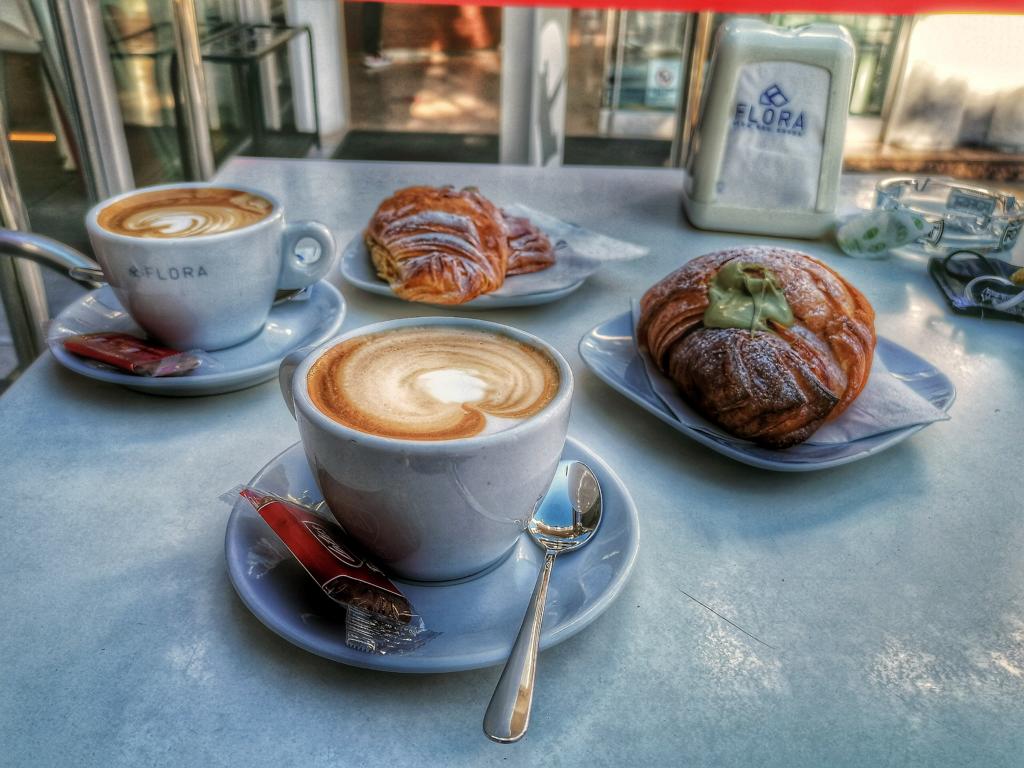
    • Tradition: Venice has a long history and a rich culinary tradition, which is also reflected in its breakfast cuisine. The city is known for its pastries, including cornetti, brioche and lots of sweet stuff, but also for savoury dishes like frittata and panini. Many Venetians still enjoy a traditional breakfast at a local café or bakery.
    • Quality ingredients: Venice is surrounded by fertile land and seas that provide an abundance of fresh, high-quality ingredients. Many of Venice’s breakfast dishes are made with locally sourced ingredients, such as eggs from nearby farms, freshly caught seafood and locally sourced cheeses and meats.
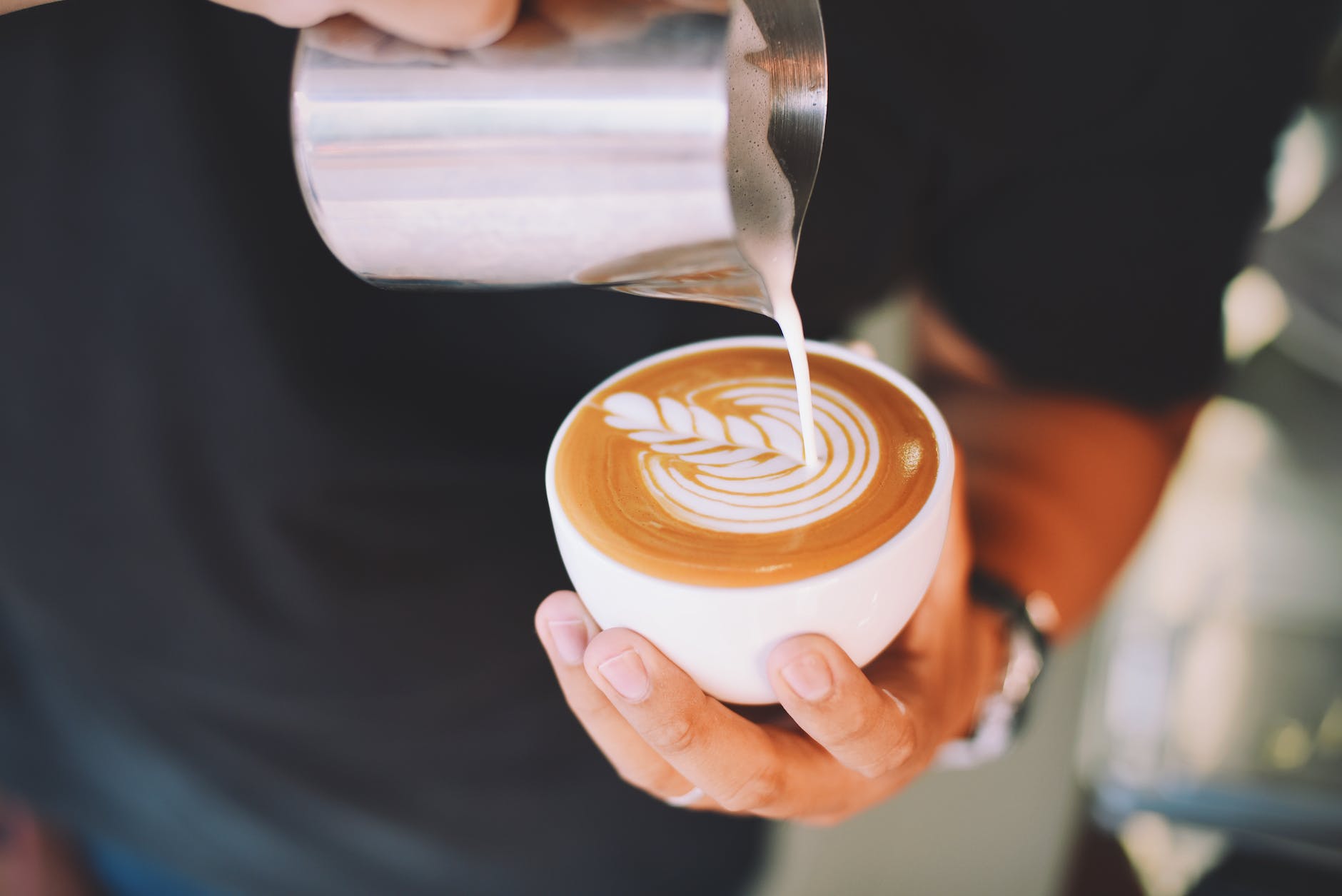
    • Coffee culture: Italians are known for their coffee culture, and Venice is no exception. The city has a long tradition of coffee roasting and brewing, and many Venetians start their day with a strong espresso or cappuccino.
    • Setting: Breakfast in Venice is often taken in charming cafés or bakeries that offer beautiful views of the city’s canals, bridges and historic buildings. This creates a unique and memorable experience for visitors and locals alike.

    All in all, breakfast in Venice is special because it combines tradition, quality ingredients, coffee culture and a beautiful landscape to create a truly unique culinary experience.

    Where to have breakfast in Venice: the best cafès and pasticcerie

    Venice has many great places for breakfast, from traditional cafes to modern bakeries. Here are some options for you to consider:

    1. Torrefazione Cannareggio: Located in the Cannaregio neighborhood, this traditional coffee roaster and café offers high-quality coffee and a delicious breakfast menu. There’s a great selection of freshly baked pastries and savory dishes, and the cozy atmosphere makes it a great place to start the day.
    2. Pasticceria Tonolo: This bakery in the Dorsoduro district is known for its delicious pastries and cakes, including the famous Venetian sweet bread, Focaccia Veneziana. Coffee and tea are also available, making it an ideal place for breakfast or a mid-morning snack.
    3. Rosa Salva: This historic café in the San Marco district has been serving coffee and pastries since 1879. It offers a wide selection of sweets, including traditional Venetian pastries and modern creations, as well as coffee and tea.
    4. Caffè Florian: Located in the famous St. Mark’s Square, this is one of the oldest coffee houses in the world, dating back to 1720. It serves a variety of breakfasts, including croissants, cakes and coffee, and the elegant atmosphere and beautiful views make it a unique and memorable experience.
    5. Pasticceria Dal Mas: This bakery in the Santa Croce district is known for its traditional Venetian pastries, including baicoli (long, thin cookies), bussolai (buttery, ring-shaped cookies) and zaletti (polenta-based cookies). Coffee and tea are also available, making it an ideal place for breakfast or a mid-morning snack.

    These are just a few options, but there are many other great places to have breakfast in Venice. Whether you’re looking for traditional or modern cuisine, a cosy café or a historic setting, there’s something for everyone.

    Torrefazione Cannareggio

    Coffee and donuts, typical Venetian specialities for a delicious breakfast in Venice
    A delicious Italian breakfast at the Torrefazione Cannareggio

    Breakfast at Torrefazione Cannareggio in Venice is a good idea for several reasons:

    • First, Torrefazione Cannareggio is a traditional coffee roaster and café that offers high-quality coffee and a delicious breakfast menu. The café is located in the historic Cannaregio district, known for its picturesque canals and charming streets, making it a nice place to start your day.
    • Second, the café offers a welcoming and cozy atmosphere with indoor and outdoor seating. You can sit inside and admire the old coffee roaster or enjoy your breakfast outside overlooking the hustle and bustle of Venice and the canals.
    • Third, Torrefazione Cannareggio is a great place to try some of the traditional Venetian breakfast dishes. They serve a variety of freshly baked pastries such as cornetti, ciambelle and cakes made with local ingredients.
    • Plus, the café is off the beaten track so you can enjoy an authentic Venetian experience. You can start your day like a local, sipping coffee and enjoying delicious food while watching Venetians go about their daily lives.

    In conclusion, breakfast at Torrefazione Cannareggio in Venice, Italy is a great idea because of the quality coffee and food, the cozy atmosphere, the traditional Venetian dishes, and the authentic local experience.

    A cappuccino is part of the traditional Italian breakfast in Venice and in Italy in general.

    You don’t know where to stay in Venice?

    Staying in a Venice hotel is the perfect way to enjoy all that the lagoon city has to offer. Then you can explore late at night and early in the morning when most of the tourists have left!

    I now prefer to use Booking.com to find the right accommodation for my travels. The reviews of other travelers help me find the hotel that suits me best.

    Hotel Rialto* is my first choice when I need a hotel in Venice: it is located in the center of Venice, right next to the Rialto Bridge, and from there you can easily reach every corner of the city.

    Pasticceria Tonolo

    Pasticceria Tonolo offers many delicious drinks for a relaxed breakfast in Venice.

    Pasticceria Tonolo is a popular bakery located in the Dorsoduro district of Venice, Italy. It has been serving delicious pastries and baked goods to locals and visitors for over 50 years and is considered by many to be one of the best bakeries in the city.

    The bakery is best known for its traditional Venetian sweets, including the famous Venetian sweet bread, Focaccia Veneziana. This sweet bread is a soft, fluffy and buttery cake, often filled with pastry cream or jam and sprinkled with powdered sugar. Pasticceria Tonolo’s version is particularly delicious and a must for anyone having breakfast in Venice.

    In addition to Focaccia Veneziana, Pasticceria Tonolo offers a wide selection of other sweet treats such as pastries, cakes, biscuits and more. There are also savory items such as sandwiches and panini, as well as coffee and tea to go with your meal.

    The bakery has a cozy and welcoming atmosphere with a small seating area inside and outside. Pasticceria Tonolo is very popular with locals and tourists and can get quite busy at peak times, so it’s best to arrive early to avoid the crowds.

    All in all, Pasticceria Tonolo is a must for anyone with a sweet tooth visiting Venice. The delicious traditional Venetian desserts, cozy atmosphere and friendly service make Pasticceria Tonolo a favorite among locals and visitors alike.

    Pasticceria Rosa Salva

    In the Pasticceria Rosa Salva you can have a delicious breakfast in Venice.

    Pasticceria Rosa Salva is a historic café located in the heart of Venice, Italy. Founded in 1879 by the Salva family, it has been serving coffee and pastries to locals and visitors for over 140 years.

    The café is located in the San Marco district of Venice, just steps away from the famous St. Mark’s Square. It has an elegant and refined atmosphere with high ceilings, chandeliers and marble floors. The walls are decorated with antique mirrors, paintings and photographs, creating a unique and unforgettable atmosphere in which to enjoy a cup of coffee or tea during your breakfast in Venice.

    One of the highlights of Café Rosa Salva is the selection of traditional Venetian pastries, including baicoli (long, thin cookies), bussolai (buttery, ring-shaped cookies), and zaletti (polenta-based cookies).

    In addition to traditional Venetian treats, Café Rosa Salva also offers a selection of modern pastries and cakes, including gluten-free and vegan options. There is also a small but fine menu of panini, salads, and other light dishes.

    Overall, Café Rosa Salva is a must for anyone who appreciates history, culture and good food. The beautiful setting, traditional Venetian sweets, and friendly service make it a favorite among locals and tourists alike.

    Caffè Florian

    In winter in Venice, hot chocolate is often a tasty treat, even for breakfast in Venice.
    Although having breakfast in Venice at Caffè Florian is one of the most expensive cafes in Venice, it is also one of the most beautiful and famous.

    Caffè Florian is a historic coffee house located in the famous St. Mark’s Square in Venice, Italy. It is one of the oldest and most famous coffee houses in the world, dating back to 1720. Over the centuries, it has hosted artists, writers, and intellectuals, becoming a cultural and social center of the city.

    The café’s elegant and opulent interior is decorated with Murano glass chandeliers, antique mirrors and paintings. The outdoor area offers stunning views of St. Mark’s Square and the Basilica and is the perfect place to relax and people watch.

    Caffè Florian in Venice is known for its excellent coffee, served in traditional silver cups, and its wide selection of pastries, cakes and other sweet treats. The menu includes traditional Venetian desserts such as bussolai and baicoli, as well as modern creations. The café also serves light meals such as salads and sandwiches, as well as a selection of cocktails and other drinks.

    In addition to food and drinks, Caffè Florian is also known for its cultural events, such as art exhibitions, concerts and literary readings. Caffè Florian also offers a wide range of souvenirs, including the characteristic coffee and tea blends and porcelain cups.

    In short, Caffè Florian is a must for anyone who wants to experience the history, culture and elegance of Venice. The stunning location, the delicious food and drinks, and the rich cultural heritage make Caffè Florian one of the most famous and popular places in the city.

    Ordering coffee in Italy

    Believe it or not, there is an extensive protocol for ordering coffee in Italy. The many rules of conduct are actually very folkloristic and are part of everyday social behaviour in Italy.

    In fact, a completely different code prevails within one’s own four walls, not least because coffee is usually prepared in a coffee pot (in Italian: bialetti, caffettiera or moka). Their options are limited and so they usually serve either moka coffee straight or with milk, regardless of the time of day.

    In this article you will find my observations, which can also serve as a flexible guide to ordering coffee in Italy like an Italian.

    Pasticceria Dal Mas

    The Dal Mas pastry shop offers everything you need for a fantastic breakfast in Venice

    Pasticceria Dal Mas in Venice is a charming bakery located in the Cannaregio district of Venice, Italy. It has been providing locals and visitors with delicious pastries, cakes and other sweet treats since 1980.

    The bakery is best known for its traditional Venetian pastries, such as baicoli and zaletti, made with high-quality ingredients and traditional methods. The zaletti in particular are a must, as they are made with corn flour, sultanas and pine nuts and have a delicious, unique taste and texture.

    In addition to the traditional Venetian pastries, Pasticceria Dal Mas also offers a wide range of other sweet delicacies such as cakes, biscuits and chocolates. There is also a small but fine savory menu with panini, quiches and other light dishes.

    The bakery has a cozy and welcoming atmosphere with a small indoor and outdoor seating area. The staff is friendly and knowledgeable, happy to make recommendations and answer questions about their products. I am sure you will enjoy your breakfast in Venice there.

    All in all, Pasticceria Dal Mas is a must for anyone who loves sweet treats and wants to experience the traditional flavors of Venice. The high quality ingredients, traditional recipes and friendly service make Pasticceria Dal Mas a favorite with locals and visitors alike.

    A book tip for gourmets!

    Venice On A Plate: But What A Plate!

    Enrica Rocca’s book explores the culinary traditions of Venice, Italy, and features a collection of recipes inspired by the city’s unique cuisine.

    The book is divided into sections that focus on different aspects of Venetian food culture, including fish and seafood, vegetables, meat, pasta, and desserts. Each section includes a range of recipes, as well as information on the history and cultural significance of the dishes.

    Do you want to discover Venice on your own?

    Discovering Venice on your own can be an exciting and rewarding experience. A travel book will be a valuable resource where to look up historical and cultural information, as well as practical information and language tips.

    Here you can find my personal recommendations on the best Venice travel guides:

    Do you want to learn Italian while enjoying a coffee in Venice?

    The most successful language learners get into the habit of studying on a regular basis. 50 Italian Coffee Breaks makes it easy to master a simple routine for improving your Italian by effortlessly integrating it into your soothing daily ritual – from a 5-minute espresso to a 15-minute latte.

  • A (pseudo) scientific analysis of how to drink and order coffee in Italy and 3 helpful tips for survival

    A (pseudo) scientific analysis of how to drink and order coffee in Italy and 3 helpful tips for survival

    The title of this blog article sounds very pretentious, I know. I’m sure you’ve been south of the Alps a lot of times and have managed to get the caffeinated drink. In this blog post, I would like to explain to you the comprehensive protocol for how to order coffee in Italy.

    So why this text? On the one hand, I want to share with you some of the things I notice during my sporadic trips to Italy as an Italian expat living abroad for over 20 years; on the other hand, I find it helpful to behave like the locals in order to make contact with them more easily and not be immediately labeled as a tourist.

    Believe it or not, there is an extensive protocol for ordering coffee in Italy. Since I left Italy when I was twelve, it’s understandable that I wasn’t interested in coffee and its unspoken rules of behavior. That’s why it was all the more exciting for me to observe how my fellow countrymen order which coffee and when, because the whole procedure was not a matter of course for me.

    There is something very folkloric about the many rules of how to behave, which are just part of everyday social behavior in Italy. In fact, there is a completely different code within one’s own four walls, also because coffee is usually prepared in a coffee pot (in Italian: bialetti, caffettiera or moka). Their options are limited, and so they usually serve either moka coffee straight or with milk, regardless of the time of day.

    Below are my observations, which can also serve as a flexible guide to ordering coffee in Italy like an Italian – or an Italian woman.

    Order coffee in italy, pay for coffee in italy, finally caffè corretto, when do i drink which coffee. drink coffee in italy, coffee types in italy with frothed milk.
    A usual breakfast in Italy includes coffee and sweet pastries. Here is a homemade ciambella in Venice.

    The origin of my interest in coffee

    The internalization of coffee culture among young people in Italy takes place during their teenage years. In the course of my observations, I was able to identify two behaviors among my Italian peers that only develop during adolescence: meeting friends for aperitifs and going to the most popular cafés in town and drinking coffee like the adults there.

    I was never exposed to this socialization in Germany, so I hardly knew anything about Italian coffee etiquette. My few experiences with coffee as a child were limited to slurping cappuccino milk foam, which often led to me ordering cappuccinos in the afternoons when I was ten and eleven (no wonder I ended up in Germany years later).

    It wasn’t until I started studying agricultural science that my curiosity about coffee was piqued, when I took a course on the cultivation of coffee and cocoa. I was quickly fascinated by the science behind the production of a seemingly simple hot beverage!

    Order coffee in italy, pay for coffee in italy, finally caffè corretto, when do i drink which coffee. drink coffee in italy, coffee types in italy with frothed milk.
    Bialetti is probably the most famous Italian company that creates moka coffee machines and exports them all over the world.

    Breakfast in Venice

    Are you in Venice and looking for a recommendation for a good café with delicious food? Here are my favourites and helpful information to enjoy the best coffee in the lagoon city.

    If you are interested in coffee and its history, I can recommend the following books:

    The World Atlas of Coffee: From Beans to Brewing – Coffees Explored, Explained and Enjoyed

    In The World Atlas of Coffee: From Beans to Brewing – Coffees Explored, Explained and Enjoyed*, the origins, the growing areas, the harvest and every step of the production process are explained very well and the coffee plant as well as the different varieties are explained clearly. The path from the bean to the cup as well as all the possibilities of roasting and brewing are described in detail.

    The Craft and Science of Coffee

    This unusual approach guides you on a journey from coffee farmer to roaster, market analyst to barista, in a style that is both rigorous and experience based, universally relevant and personally engaging. From on-farming processes to consumer benefits, you are given a deeper appreciation and understanding of coffee’s complexity.

    The coffee varieties in Italy

    Let’s start with the coffee (drink) options in Italy. If you like to drink coffee in the many chain stores like Starbucks, Coffee Fellows, etc., you are used to an extensive coffee menu, often with up to twenty items.

    In most Italian cafes, however, the selection is much smaller. The following drinks are the most common.

    Caffè

    A simple espresso served in a thimble-sized cup. Sometimes espresso is served in a glass, partly because of the emphasis on presentation and partly because it cools faster and is easier to drink. It comes with a tiny spoon and sugar, and if you’re really lucky, a little cookie.

    The word “espresso” is not normally used by Italians to order coffee in Italy – it is the name given to the process of making coffee on the large portafilter machines, not the drink itself. That’s why Italians simply say “un caffè“.

    Order coffee in italy, pay for coffee in italy, finally caffè corretto, when do i drink which coffee. drink coffee in italy, coffee types in italy with frothed milk.

    Caffè doppio

    A word about double coffees: If you want a double espresso (“caffè doppio“), I recommend ordering two single caffès instead. First, the locals don’t tend to drink a double espresso, and second, the double takes twice as long in the cup; I prefer to drink two freshly made Italian caffés.

    Caffè lungo

    A caffè lungo contains a little more water: this softens the intensity of the espresso and I can sip it a little longer. This coffee also comes in a tiny cup, but it is now full to the brim.

    Order coffee in italy, pay for coffee in italy, finally caffè corretto, when do i drink which coffee. drink coffee in italy, coffee types in italy with frothed milk.

    Caffè ristretto

    A caffè ristretto is the opposite of a caffè lungo: a condensed coffee that tastes anything but mild. Hardly any water is used – good for the environment! – but the caffeine concentration is very high. It’s not for me.

    Caffè decaffeinato

    The decaffeinated coffee is suitable for those who do not want to give up a good coffee, but prefer to drink it decaffeinated.

    Caffè d’orzo

    Caffè d’orzo, Italian for “barley coffee” and often shortened to simply orzo or barley coffee, is a decaffeinated, roasted grain beverage made from ground barley. It is an espresso-like beverage that, when made directly from roasted barley, is easily prepared in typical espresso machines and coffee makers.

    In Italy, Caffè d’Orzo is prepared in traditional Italian espresso machines in cafes. At home, Italian families tend to make it with an orziera, a special moka pot designed for barley.

    Despite the name, Caffè d’Orzo contains no coffee, only barley, and is gluten-free.

    Caffè macchiato

    A caffè macchiato is basically an espresso with a shot of milk foam. Of course, it’s served in a small cup.

    Order coffee in italy, pay for coffee in italy, finally caffè corretto, when do i drink which coffee. drink coffee in italy, coffee types in italy with frothed milk.

    Caffè Latte

    A caffè latte is coffee with milk, i.e. coffee in a large cup with cold milk.

    Cappuccino

    Probably the Germans’ favorite drink on vacation, no matter where they are. A cappuccino is the perfect combination of espresso and frothed whole milk.

    It is served in a standard cup: There are no large or small cups, except in places frequented by tourists. The coffee is poured into the cup first, followed by the milk. Since the milk foam is a little heavier than the cream of the espresso, it lifts it up and offers the opportunity to use the combination of white background and light brown surface as a drawing surface.

    The real art is to create a semi-solid and uniform foam. The enthusiasm and passion for latte art is so great that annual latte art championships are held all over the world.

    Order coffee in italy, pay for coffee in italy, finally caffè corretto, when do i drink which coffee. drink coffee in italy, coffee types in italy with frothed milk. Caffè espresso: classic and simple italian. Caffè Macchiato: Espresso with frothed milk. Cappuccino: the most famous Italian drink. double espresso with frothed milk. Latte Macchiato: single espresso with milk in a glass. Caffelatte: cappuccino without foam. Caffè Decaffeinato: decaffeinated coffee. Caffè Lungo, caffé doppio, Caffè Marocchino. Caffè Corretto: with a shot of alcohol - grappa, sambuca, brandy. 
On the travel photography blog of Claudio Salvati Photography.
    Cappuccino in Italy is usually served without foam figures, but sometimes I find a barista who is a true artist.

    Latte macchiato

    This is the reverse version of a cappuccino: milk with a shot of espresso. What is important here is the order in which the milk and coffee are mixed. In Italy, the milk foam is poured into the glass first – yes, latte macchiato is always drunk in a glass – and then the coffee.
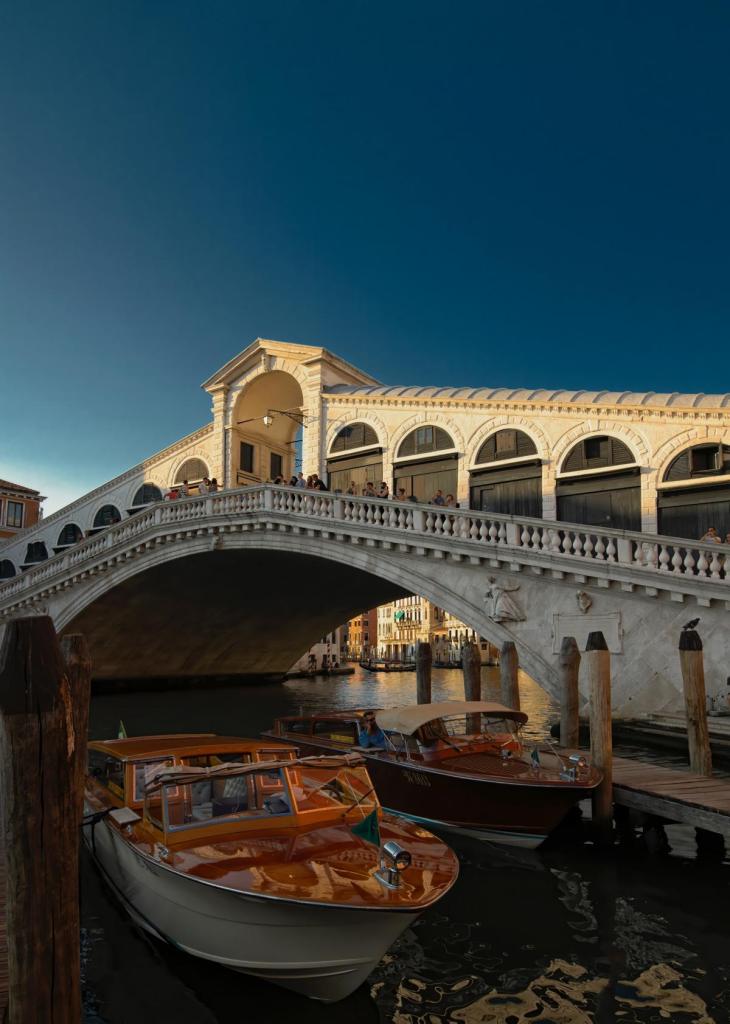
    Order coffee in italy, pay for coffee in italy, finally caffè corretto, when do i drink which coffee. drink coffee in italy, coffee types in italy with frothed milk. Caffè espresso: classic and simple italian. Caffè Macchiato: Espresso with frothed milk. Cappuccino: the most famous Italian drink. double espresso with frothed milk. Latte Macchiato: single espresso with milk in a glass. Caffelatte: cappuccino without foam. Caffè Decaffeinato: decaffeinated coffee. Caffè Lungo, caffé doppio, Caffè Marocchino. Caffè Corretto: with a shot of alcohol - grappa, sambuca, brandy. 
On the travel photography blog of Claudio Salvati Photography.
    The special feature of the latte macchiato is the many coloured layers that come from the heated and frothed milk.

    And what about all the flavours and plant-based milks?

    Meanwhile, in Italy, it is not only easy to find plant-based milk substitutes, but they are completely accepted. Soy milk froth is also almost indistinguishable from cow’s milk froth; only the barista will know your secret.

    If you want some sugar in your coffee, just use sugar. Hazelnut, vanilla and other artificial flavors are the domain of Starbucks and Co.

    And finally: Caffè corretto

    You may be pleased to learn that the only acceptable way to dilute your own coffee is by adding schnapps.

    If that’s your thing, ask for a caffè corretto. But even here there are some rules. The two main alcoholic drinks used to enhance coffee in Italy are brandy and grappa.

    A few words of caution. First, brandy comes in its own full-sized glass, which you usually dip into your coffee. Second, caffè corretto is often drunk in the morning.

    When do I drink coffee in Italy – and what kind?

    Cappuccino: the most famous Italian drink. double espresso with frothed milk. Latte Macchiato: single espresso with milk in a glass. Caffelatte: cappuccino without foam. Caffè Decaffeinato: decaffeinated coffee. Caffè Lungo, caffé doppio, Caffè Marocchino. Caffè Corretto: with a shot of alcohol - grappa, sambuca, brandy. 
On the travel photography blog of Claudio Salvati Photography.
    Cafés usually offer a glass of water with the coffee, but sometimes I have to ask for it.

    Knowing which coffee to choose is only half the battle. It is still important to know which coffee is appropriate when. You probably know that ordering a cappuccino after lunch is the fashion equivalent of wearing socks and sandals. (But a cappuccino is always delicious, no matter what time of day.)

    A very simple rule of thumb is: in Italy, don’t order coffee in Italy with milk after lunch. By and large, this is the only rule that is followed from Sicily to South Tyrol.

    However, it is not forbidden to order a cappuccino in the afternoon. However, it is like being a tourist in a foreign country who does not know the place.

    Do you want to learn Italian while enjoying a coffee in Venice, Florence or at your favourite Italian cafè?

    The most successful language learners get into the habit of studying on a regular basis. 50 Italian Coffee Breaks makes it easy to master a simple routine for improving your Italian by effortlessly integrating it into your soothing daily ritual – from a 5-minute espresso to a 15-minute latte.

    Here are my top tips for ordering coffee successfully and like a local

    How can I order coffee in Italy?

    What’s missing is the actual order.

    Italians still drink their coffee in (new) old-fashioned bars and have not yet acquired a taste for hip 21st-century coffee shops. Such bars are easily recognized by the fact that they are lined with people sipping a tiny cup of strong coffee.

    Many bars do not offer table service. That’s why it’s important to jump into the fray; gesture, raise your hand, get the attention of the barista or waitress, wait to make eye contact, and shout your order confidently.

    Order coffee in italy, pay for coffee in italy, finally caffè corretto, when do i drink which coffee. drink coffee in italy, coffee types in italy with frothed milk. Caffè espresso: classic and simple italian. Caffè Macchiato: Espresso with frothed milk.
    For comparison, here are the cups for cappuccino and espresso side by side under a portafilter machine.

    How to pay for coffee in Italy

    I know, I know. You think: Claudio, you’re crazy. I know how to pay for a coffee, and in Italy it’s no different than in Germany. But it’s not that easy in Italy.

    In many Italian bars, when you order coffee in italy, you get a little slip of paper that serves as your bill. Then you get your order, and when you’re done, you pay the bartender or cashier.

    In some cases, however, you pay in advance when you order. If the pub is a bit bigger, you order your drinks at the cash register, pay the cashier and then go to the bar with the receipt and tell the bartender what drinks you want if they are not listed on the receipt.

    How do I know if I have to pay at the bar or the cashier? I have a simple tip for this: I usually stand there for a minute, watch the locals order, and do the same. Worst case scenario, you order your drink and are told you have to pay first.

    Order coffee in italy, pay for coffee in italy, finally caffè corretto, when do i drink which coffee. drink coffee in italy, coffee types in italy with frothed milk. Caffè espresso: classic and simple italian. Caffè Macchiato: Espresso with frothed milk. Cappuccino: the most famous Italian drink. double espresso with frothed milk. Latte Macchiato: single espresso with milk in a glass. Caffelatte: cappuccino without foam. Caffè Decaffeinato: decaffeinated coffee. Caffè Lungo, caffé doppio, Caffè Marocchino. Caffè Corretto: with a shot of alcohol - grappa, sambuca, brandy. 
On the travel photography blog of Claudio Salvati Photography.
    That was a successful breakfast at my favourite coffee roastery in Venice, the Torrefazione Cannareggio.

    How I drink coffee in Italy

    Let’s recap: You know what coffee you want to drink and you’ve already figured out when and where to pay. With coffee in hand, you want to sit down and sip your drink, correct?

    Wrong, because coffee for Italians is a quick drink that you take standing up at the counter. For me, enjoying a coffee is often a moment to relax, savour the delicious taste and observe the people around me. While many cafés in Italy offer a place to sit down, especially in tourist areas, this is not the way of the locals.

    At the bar or counter is the life of the people on the go, indulging in a little caffeinated indulgence between one appointment and another. Sometimes, however, I see older people sitting at a small table in a corner, either having animated discussions about the football match in progress, or keeping a meaningful silence and sipping their very Italian coffee.

    Conclusion

    It is considered unacceptable to mix coffee and milk after lunch, but it is perfectly fine to have a shot with breakfast. Great!

    Order coffee in italy, pay for coffee in italy, finally caffè corretto, when do i drink which coffee. drink coffee in italy, coffee types in italy with frothed milk. Caffè espresso: classic and simple italian. Caffè Macchiato: Espresso with frothed milk. Cappuccino: the most famous Italian drink. double espresso with frothed milk. Latte Macchiato: single espresso with milk in a glass. Caffelatte: cappuccino without foam. Caffè Decaffeinato: decaffeinated coffee. Caffè Lungo, caffé doppio, Caffè Marocchino. Caffè Corretto: with a shot of alcohol – grappa, sambuca, brandy.
    On the travel photography blog of Claudio Salvati Photography.